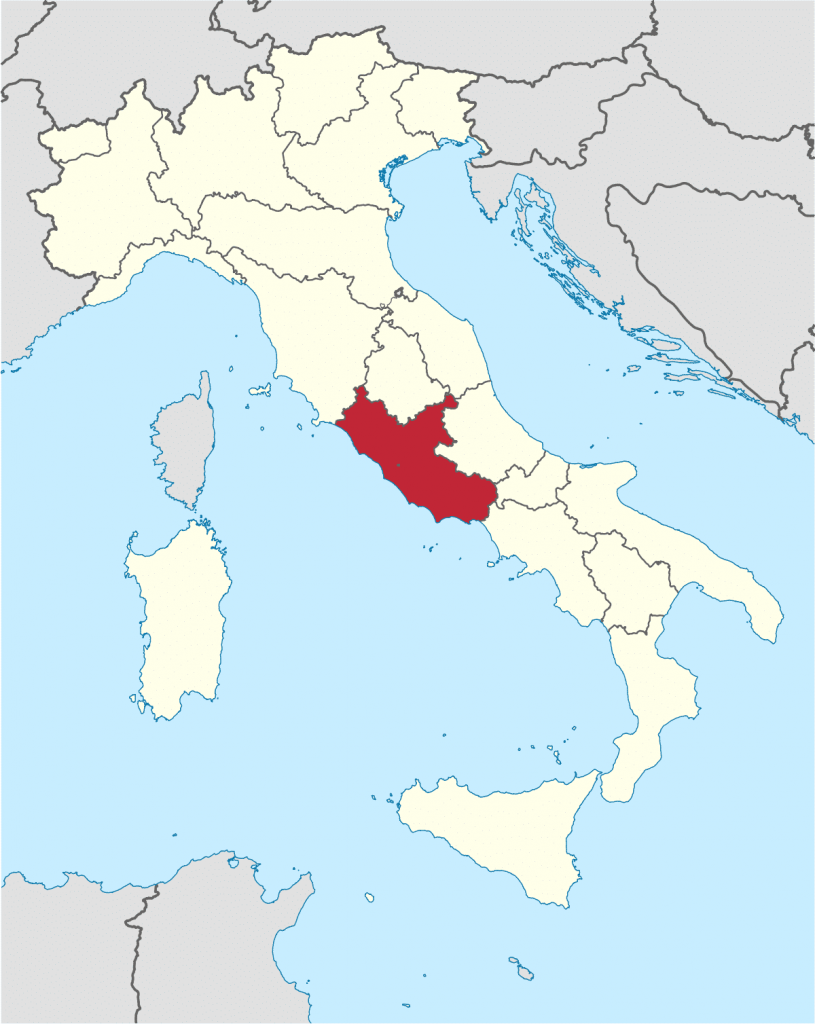
Lazio Cusine story
The Lazio cuisine is a home-style cuisine, where traditional dishes are made up of poor foods but cooked, they are very tasty.
The most internationally known dishes of this gastronomy are certainly Spaghetti Carbonara and Bucatini Amatriciana, two dishes that have traveled the world and uniquely recall one of the most beautiful cities of the entire peninsula: Rome.
These two traditional dishes are among the most popular and requested in the Italian capital, and can be found in almost all restaurants.
Roman cuisine includes a large number of typical dishes, the preparation of which involves the use of typical regional products, such as Pancetta and pecorino which, as we have seen, are the basis of the recipe for bucatini all’amatriciana.
Among the best recipes we find many typical ingredients of the peasant cuisine of the region and central Italy.
Lazio Cusine
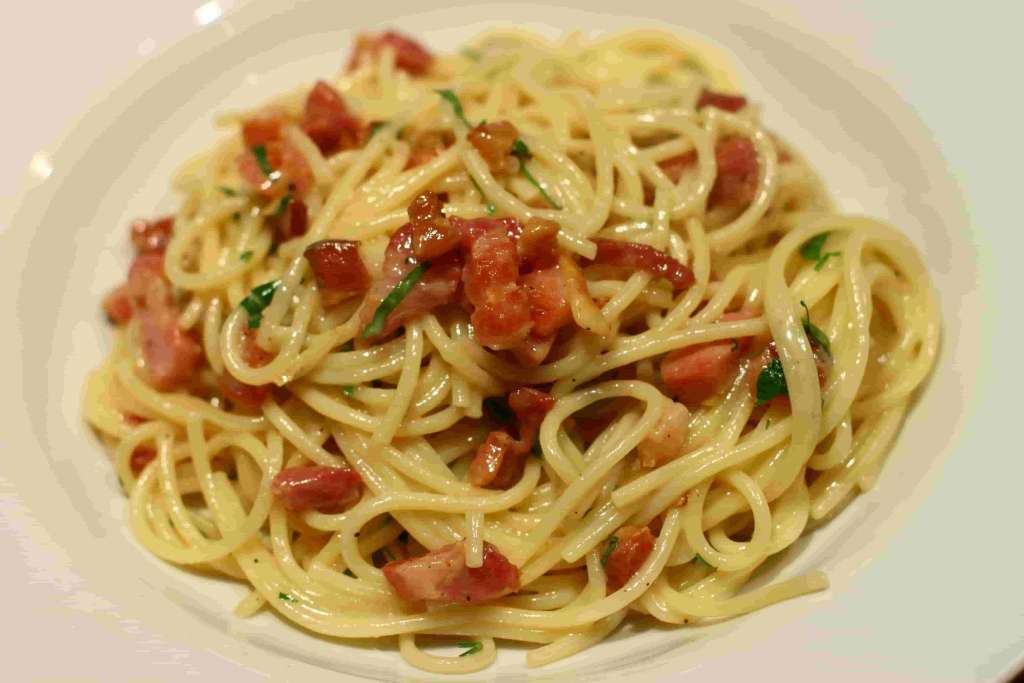
Spaghetti alla Carbonara
Probably the most famous Roman dish in the world, it is prepared with Guanciale (pork cheek) or Bacon, fresh eggs, Pecorino Romano and a lot of pepper, cream is absolutely forbidden.
If it is true that until the thirties there is no trace of the preparation of carbonara in Rome, this recipe begins to appear starting from 1944.
A similar coincidence of dates provides a precious clue to understand who to attribute the invention of this tasty dish.

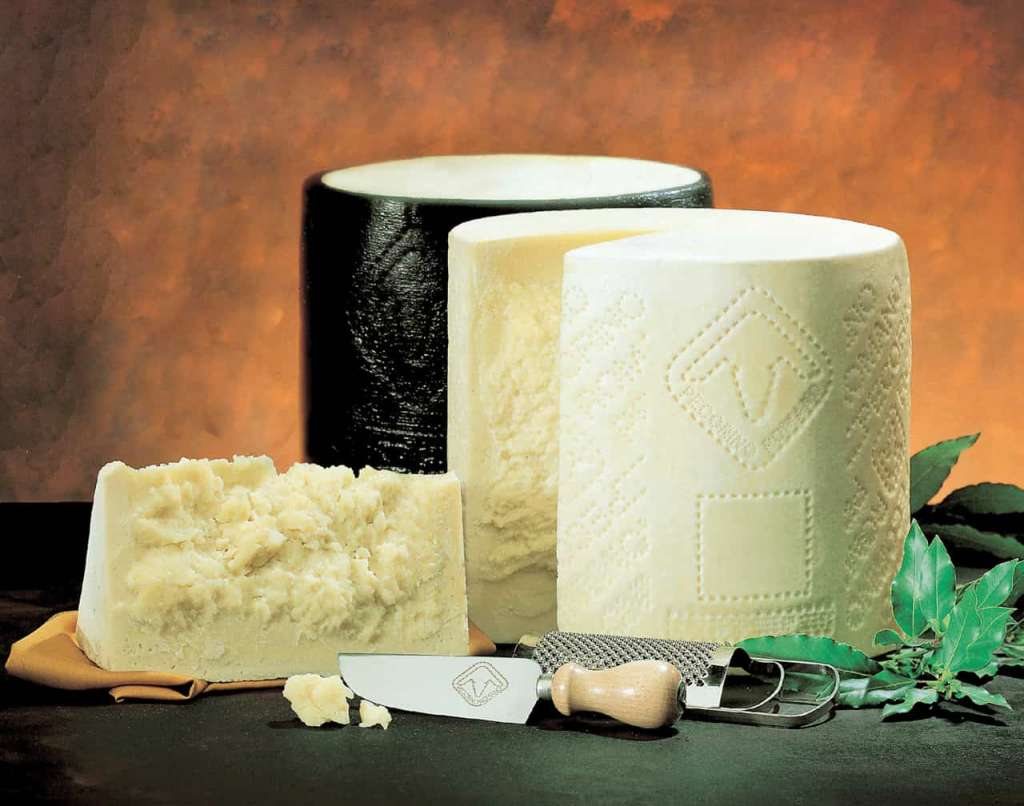
PECORINO ROMANO
It is said, in fact, that the Allied soldiers engaged during the Second World War on the Reinhard line, between Lazio, Molise and Campania, had the opportunity to taste and become fond of the typical “Cacio e ova” pasta from Abruzzo.
It was natural, at least according to what is said between historical reality and legend, to add the bacon, typical of the area, and possibly the smoked bacon imported from the United States.
These were the flavors that reminded soldiers of “home”, but this did not prevent the Romans, once they discovered the recipe, from making carbonara their own, which was literally adopted to the point that, today, no one would dare to question its geographical authorship.

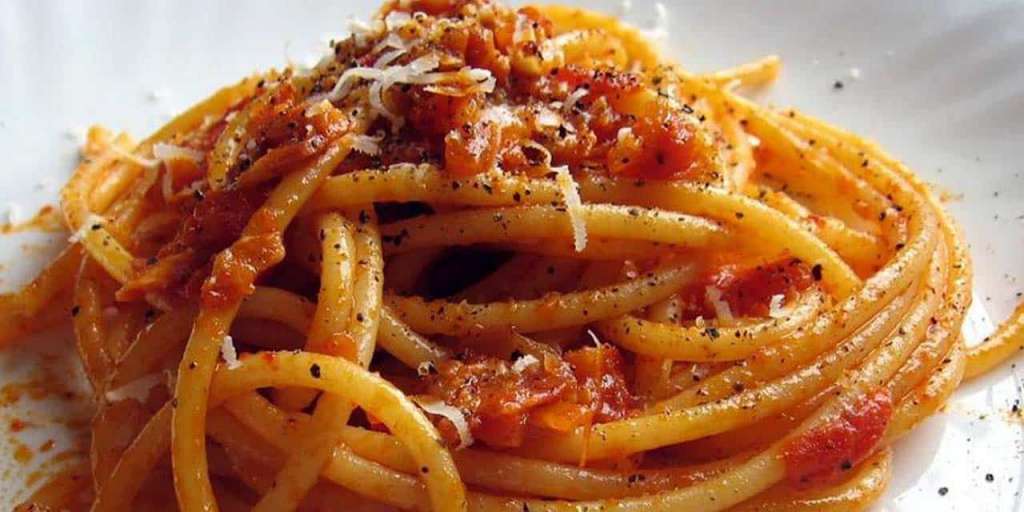
BUCATINI AMATRICIANA
Another first course of the Roman tradition is:
Bucatini Amatriciana, which is prepared with pancetta, tomato sauce and cheese.
This dish originates from the ancient Tagliatelle alla Gricia, where however the tomato sauce is missing.
With cacio, on the other hand, we cannot forget the delicious Cacio e Pepe pasta, a quick dish with a unique taste, thanks to the important presence of pecorino romano.
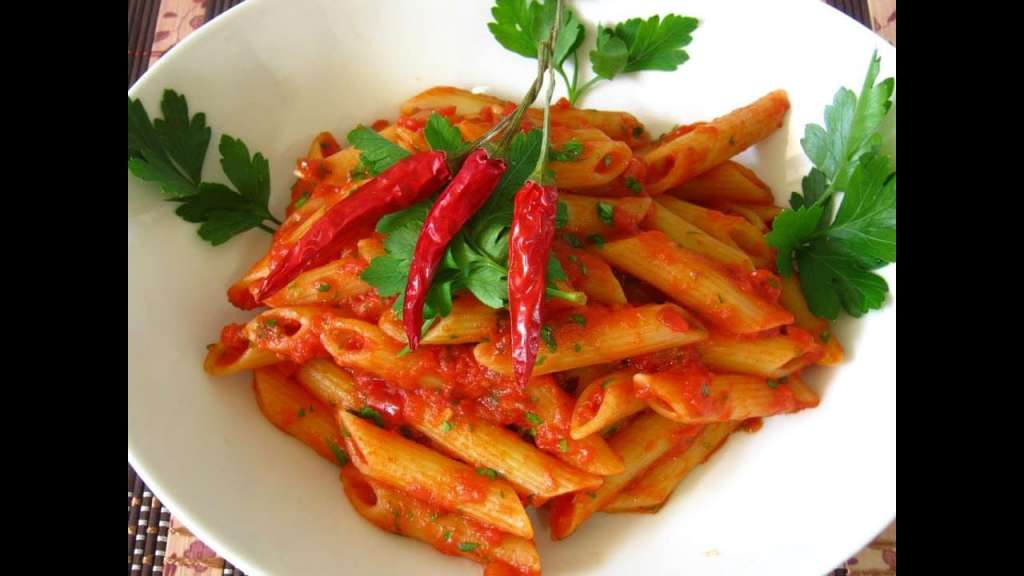
 PENNE ARRABBIATA
Lazio Cusine
Pasta all’Arrabbiata is similar to Amatriciana, so called because the amount of chili in the recipe is really a lot! It differs from the first for the presence of fresh chilli instead of pepper and also for the lack of pancetta, which however can be added as desired.
Another typical Lazio recipe is “Pasta Aio and Oio, Pasta Aglio ed Olio“, prepared in a pan with garlic, extra virgin olive oil and chilli. This is excellent because it can be done in a jiffy with ingredients that you always have in the pantry.
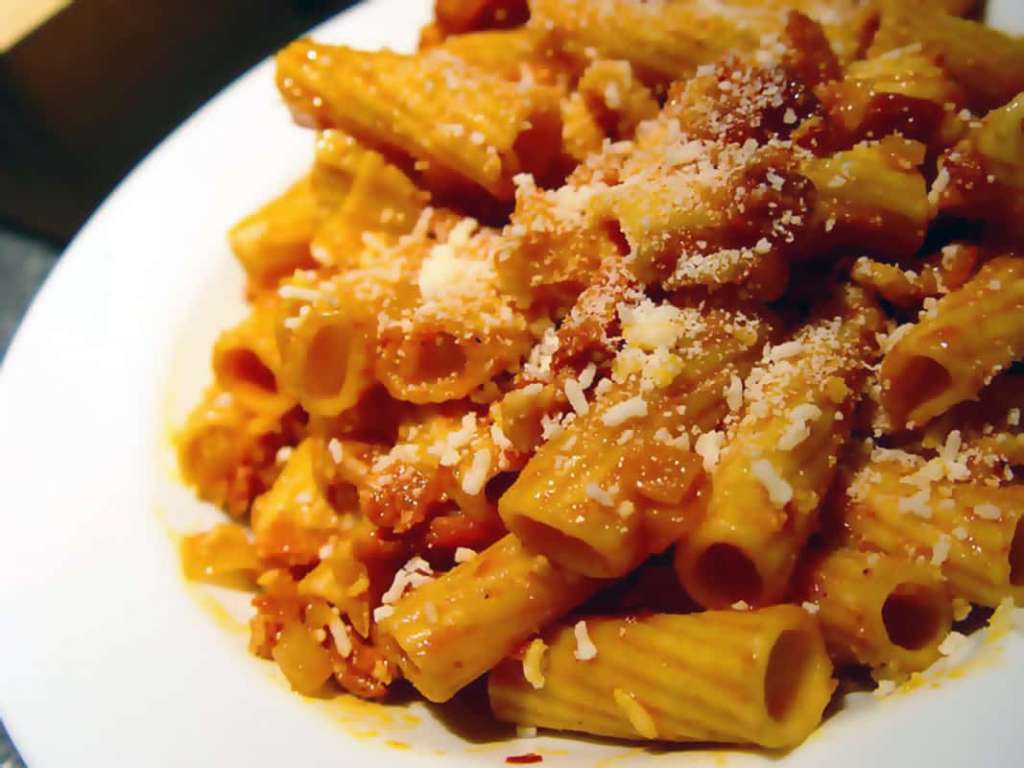
 RIGATONI ALLA PAJATA
Lazio Cusine
Typical Ciociara pasta are Rigatoni with Pajata. This dish was usually cooked on Sundays or for holidays, as a main course of a family lunch, because the sauce needs to cook slowly and for many hours, so that the pajata, that is the veal intestine, becomes tender and flavored. the sauce.
Even in Lazio it is customary to make Scarpetta (lick the sauce in the dish with bread-dipping), especially with the typical bread of the area.
 CIRIOLA BREAD
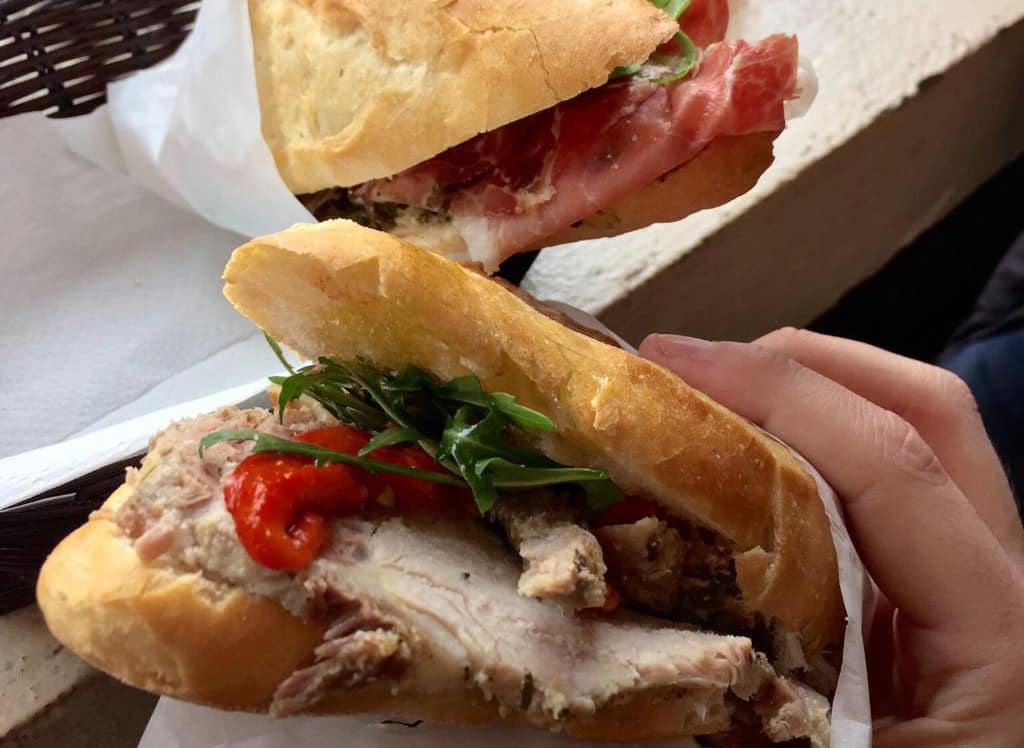
The Roman Ciriola is a sandwich in the shape of a rugby ball, which if not eaten during the day is used in slices as croutons. Another very popular type of bread is the Genzano cereal bread, which remains soft even in the following days.
 SPAGHETTI CARETTIERA
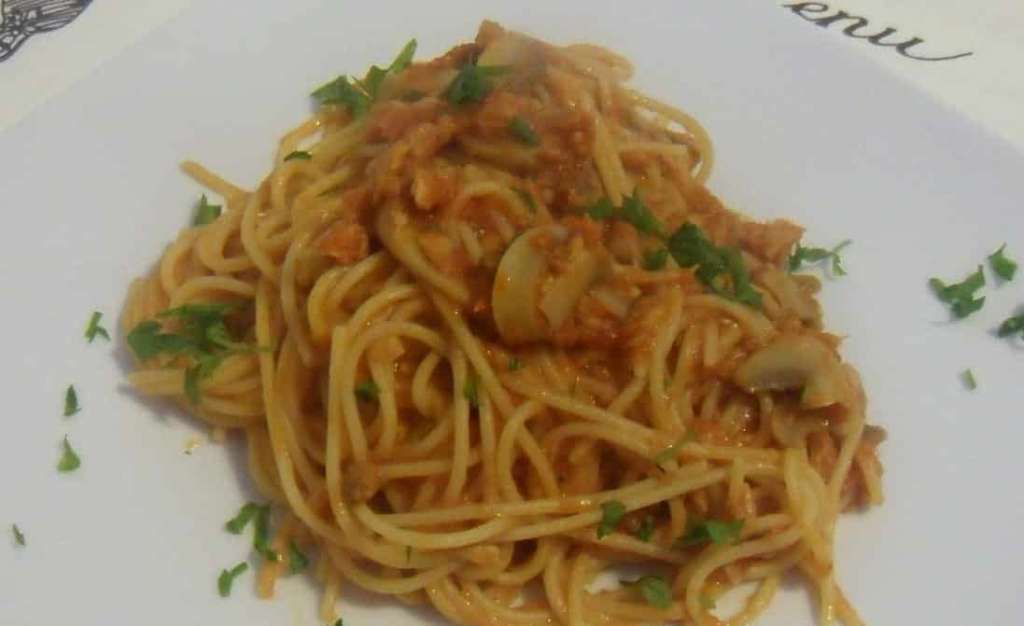
All these first courses have in common the fact that they were originally prepared with easily available foods, as well as the pasta alla Carrettiera, originally prepared by the carters, that is, by those who carried carts around Rome, and could not take with them , easily perishable foods.
Lazio Cusine

GNOCCHI ALLA ROMANA
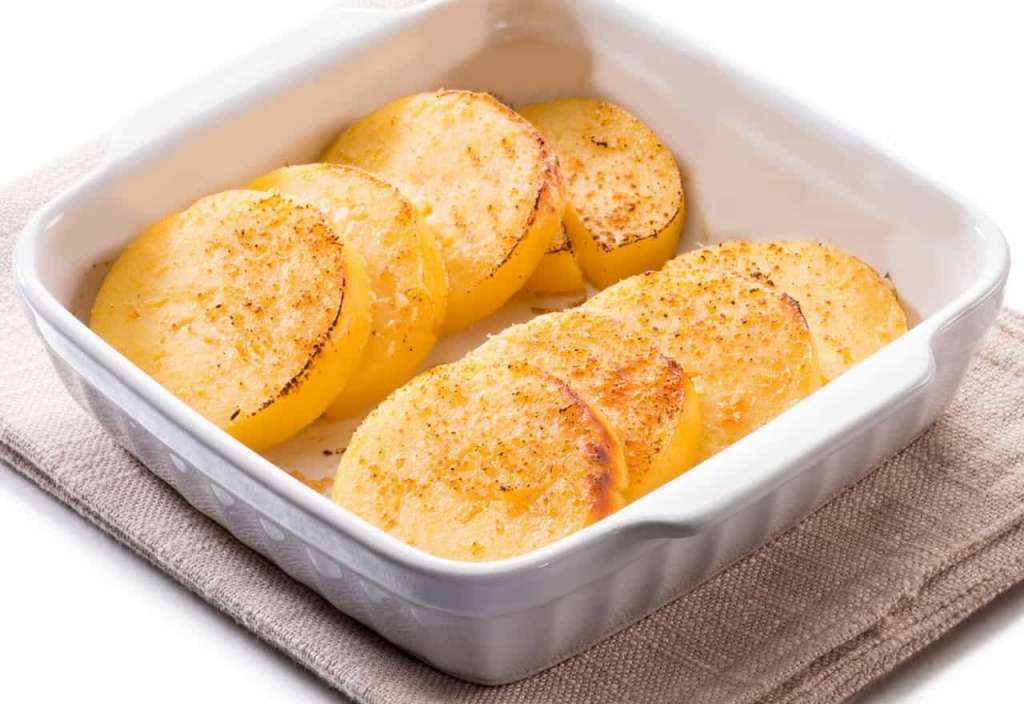
Another traditional dish are the Gnocchi alla Romana, prepared with semolina and cooked in the oven with various cheeses.
Even this recipe is of dubious origin, since the large amount of butter traces it back to distant Piedmont, while their unusual shape suggests a spelling error of the name, which from “Romanian” has probably become “Roman” with the passing of years.
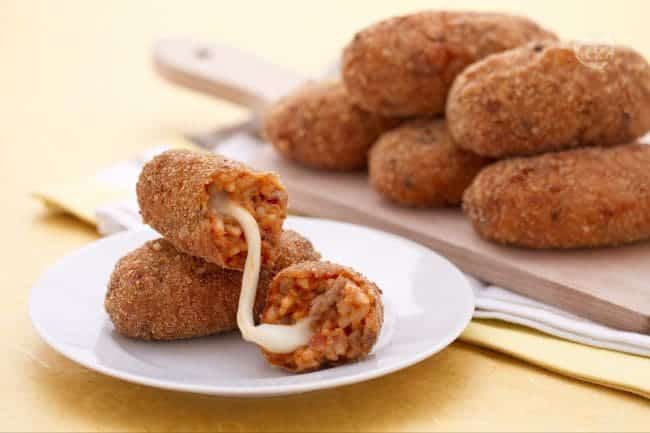
Supplì on the phone
On the subject of first courses, even if it is actually part of the appetizers, the “Supplì on the phone” is one of the most popular dishes for tourists in the capital because it is a quick and tasty dish that can also be eaten while walking through the streets of the city .
Supplì are similar to Sicilian arancini, consisting of rice and stuffed with meat sauce and stringy cheese, which recalls the idea of the old telephone wire.
 TRIPPA ALLA ROMANA
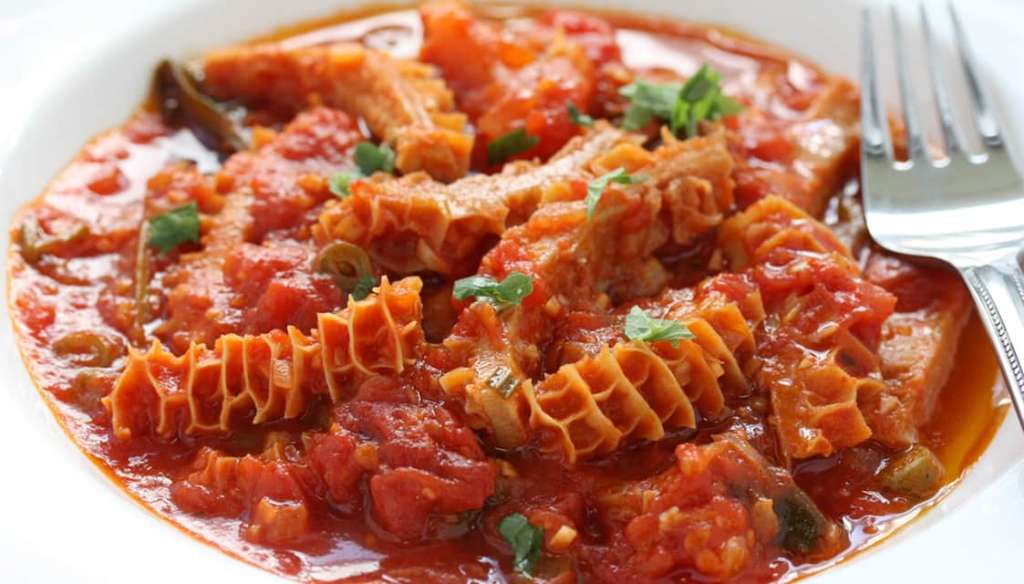 TRIPPA ALLA ROMANA
Lazio Cusine
Main dishes
As for the second courses, in Lazio those of meat are definitely preferred to fish dishes. In fact, one of the few typical Lazio dishes that recall the sea are the Cuttlefish with peas, prepared stewed with a red sauce.
In addition to lamb, chicken and pork, in the Lazio gastronomic tradition, cuts of meat are often used such as oxtail and offal, that is the entrails of lamb.
With the chicken you prepare the recipe of Chicken with peppers blended with white wine, a very simple regional recipe and often used in the rest of the peninsula.
The lamb, on the other hand, is often replaced by the suckling lamb, called in the Roman dialect Abbacchio. This typical dish is cooked in the oven with potatoes, or alla Cacciatora with various spices.
 ABBACCHIO SCOTTADITO
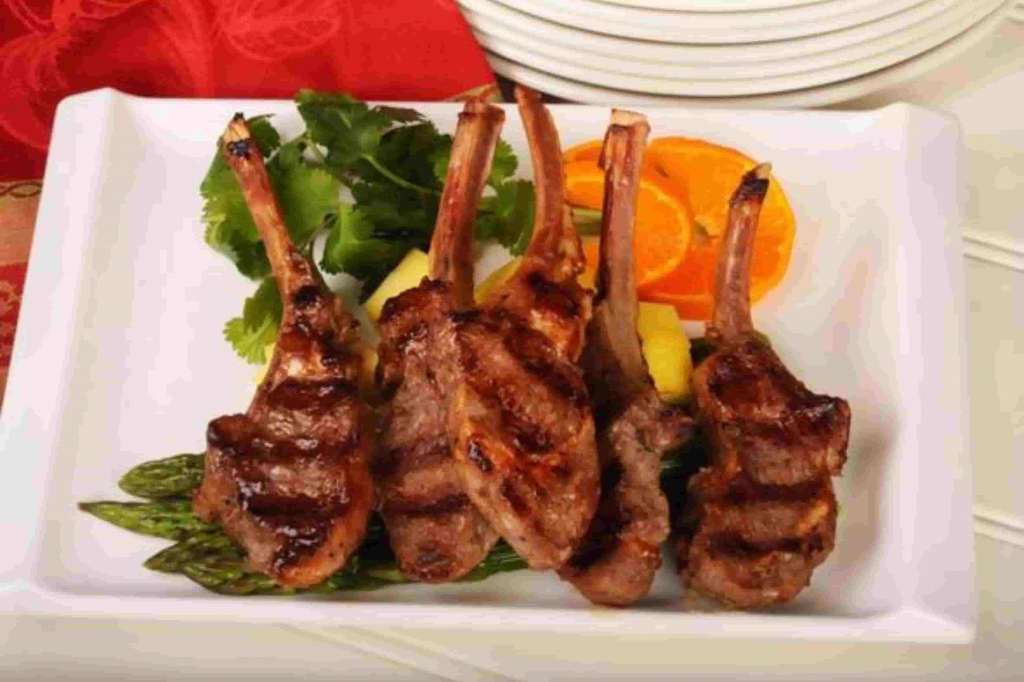
Lamb is the main ingredient of one of the typical specialties of Lazio: the Abbacchio a scottadito.
To prepare this typical dish, the animal’s cutlets are used which, after being sprinkled with a light layer of lard, salt and pepper, are roasted on the incandescent grill and served very hot.
They are excellent to taste like this, or they can be accompanied by spicy sauces.
When you buy Abbacchio, you usually also buy its offal, with which you prepare a traditional dish much appreciated by the Romans: Coratella with artichokes. The lamb entrails have a very intense flavor, but washed and cooked properly, they are pleasant even to the most skeptical.
In addition to Coratella, lamb sweetbreads are also very popular, because they are very tender and recall the taste of milk. They are usually fried and served with just lemon juice and salt.
Still on the subject of entrails, among the typical Roman foods, we cannot fail to mention the Roman tripe which is a riot of flavors thanks to the presence of mint, red wine and sautéed carrots and onions.
 CODA ALLA VACCINARA
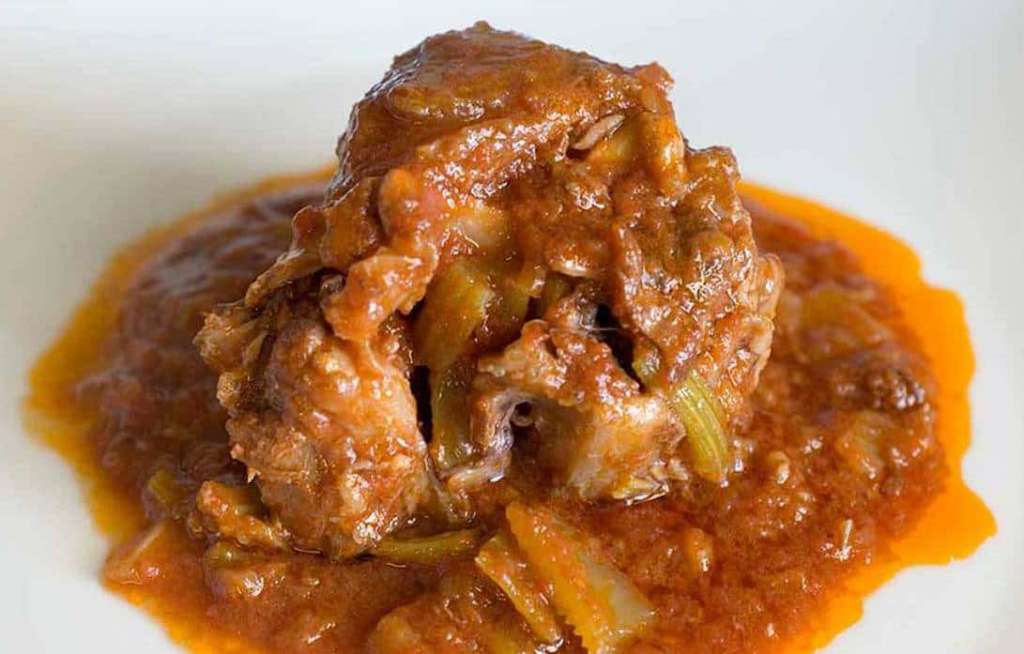
With another unusual cut of meat, one of the most famous gastronomic specialties is prepared: Coda alla Vaccinara.
To prepare it, you need to buy the oxtail or veal, already cut into not too big pieces, and cook it in a sautéed oil and lard, to which the vegetables are then added: celery, carrots and onions.
Only then are the peeled tomatoes added and left to cook for several hours, usually three or four, until a good reduced sauce is obtained with which you can then dress a nice plate of rigatoni.
 SALTIMBOCCA ALLA ROMANA
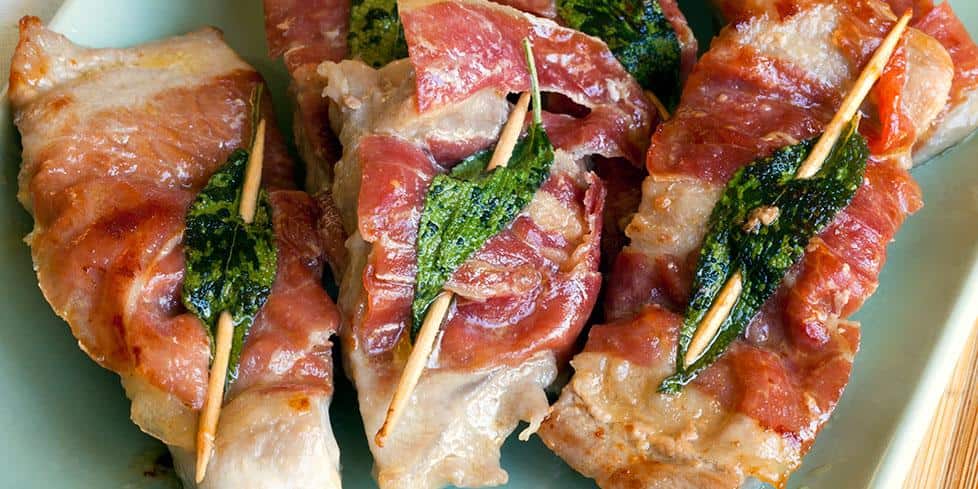 SALTIMBOCCA ALLA ROMANA
Returning instead to the classic cuts of meat, there is a Roman dish that is now prepared throughout Italy, thanks to its goodness and simplicity of realization: the Saltimbocca alla Romana.
To prepare them, you need slices of veal, raw ham and sage leaves. This dish is ideal for those who have little time to cook but want to eat a dish full of flavor.
 PORCHETTA DI ARICCIA
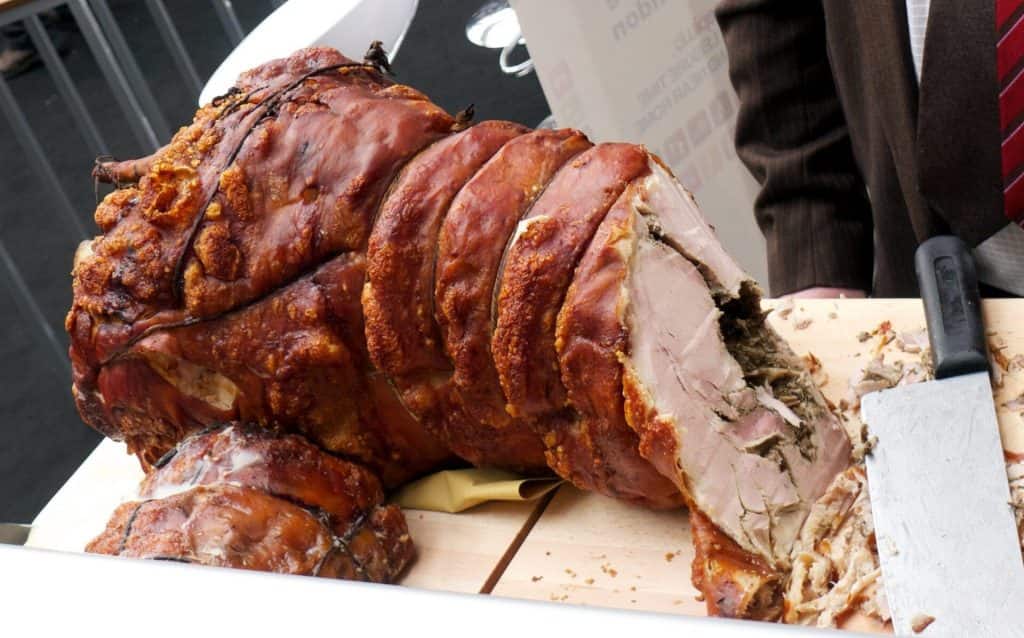
In the Lazio gastronomic tradition, we cannot forget one of the best known and appreciated dishes such as Porchetta.
At the base of several typical dishes of Lazio cuisine, it originates from Ariccia, a town in the Castelli Romani near Rome: it is nothing more than the boneless and gutted pork, cooked on a spit or in the oven and flavored with rosemary or wild fennel.
Porchetta is usually used in stuffed sandwiches, but it can also be enjoyed alone, especially if still warm, because it is very tender and retains all the flavor of the spices inside.
Lazio Cusine
Side Dishes
 CARCIOFI ALLA GIUDIA
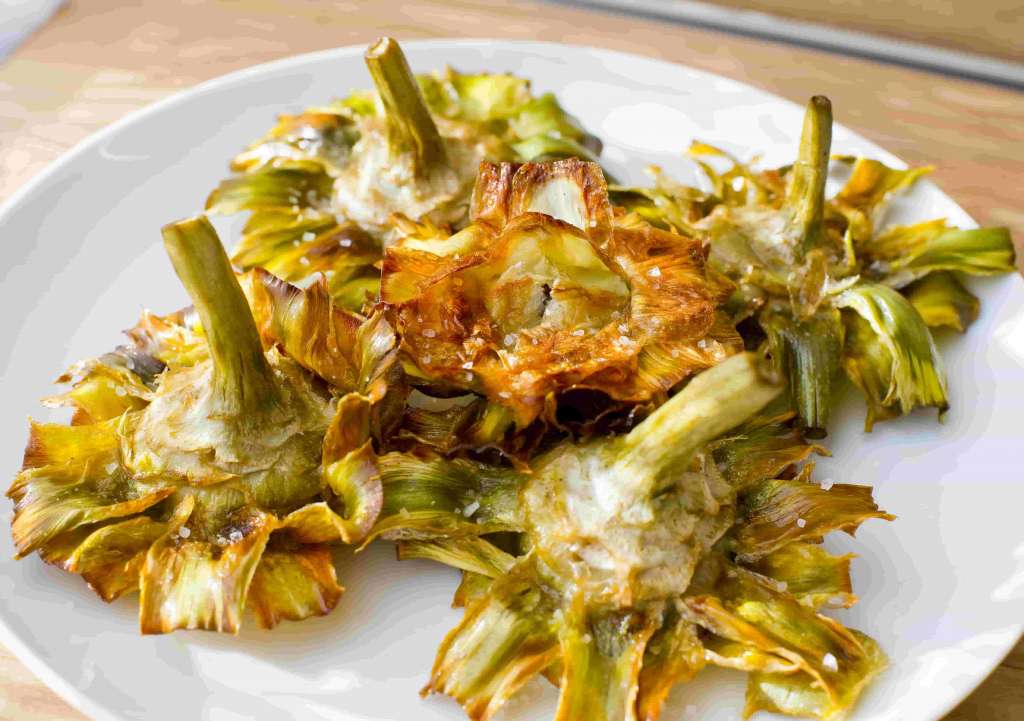 CARCIOFI ALLA GIUDIA
To accompany these meat dishes, the vegetable side dishes that complete all the typical dishes of Lazio cannot be missing.
The most famous vegetable side dish is certainly the Giudia Artichoke dish, very simple to prepare but really delicious.
It is prepared with Roman artichokes, those without thorns, which must be cleaned and then fried in boiling oil. If you want, you can vary the original recipe by preparing a Savory Artichoke Cake alla giudia with the same ingredients, which is certainly a more substantial single dish.
Savory pies are cooked very often around Rome and include the use of traditional traditional vegetables, easy to find throughout the region, such as chicory, chicory and artichokes, often accompanied by Gaeta olives, very famous for their goodness.
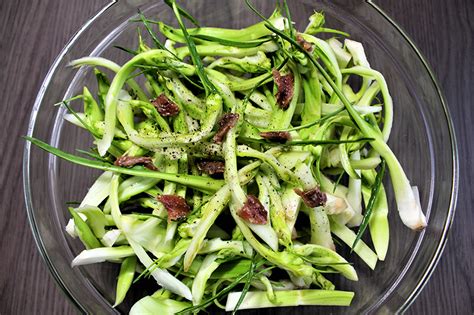
 PUNTARELLE SALAD
 PUNTARELLE SALAD
If, on the other hand, you prefer a simpler side dish that does not require cooking, you can focus on a good chicory salad, a typically Roman vegetable with a bitter taste, attenuated by the presence of anchovies that dampen the flavor. Always with Puntarelle, it is a must to eat the Roman pizza which is higher than the Neapolitan one and often prepared with buffalo mozzarella instead of fiordilatte.
Another salad typical of the Roman tradition is that of beans, to which anchovies, onion and thyme are added. For a quick and more substantial salad, you can use the diced caciotta, raw courgettes, tomatoes and mint instead.
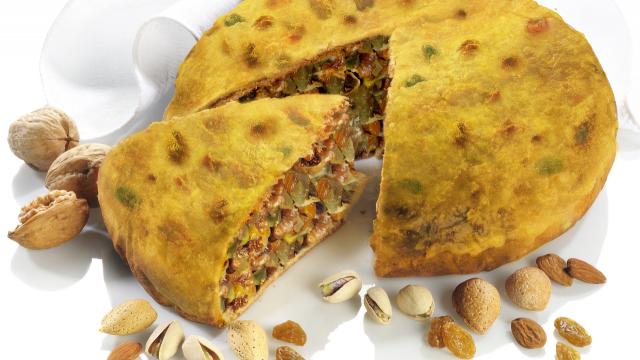
 PANGIALLO
 PANGIALLO
Lazio Cuisine
Desserts
Desserts also represent an important part of Lazio gastronomy.
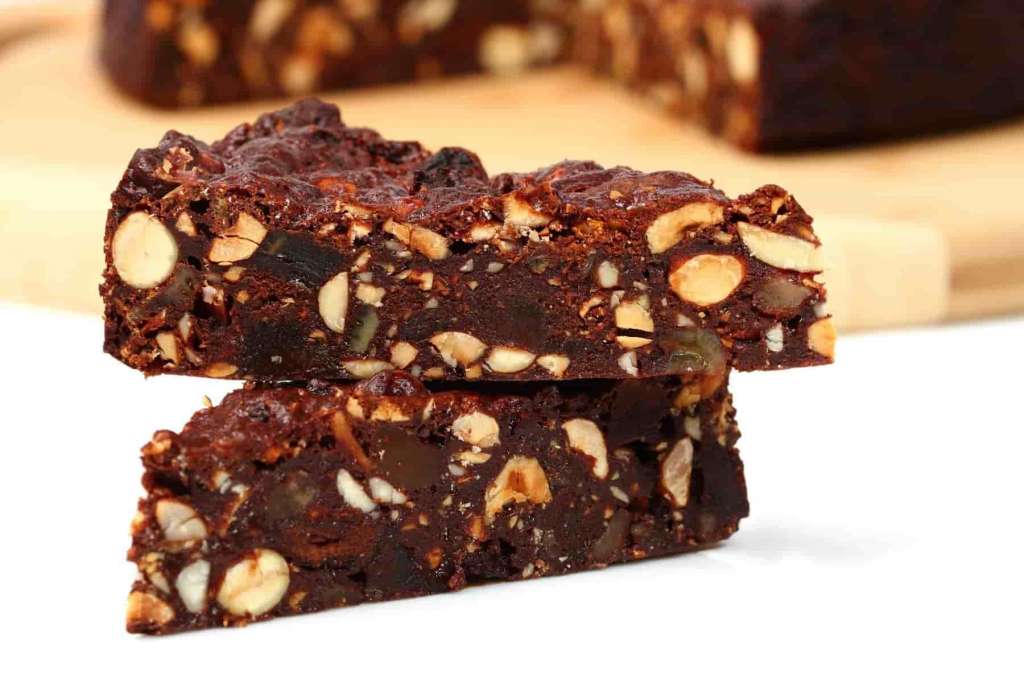
The best known dessert is undoubtedly the Pangiallo, a sort of round sandwich prepared with flour, dried fruit, candied fruit and chocolate, made tasty even to the eyes by the yellow color provided by the saffron.
 BLACK PANGIALLO
 BLACK PANGIALLO
In the Frascati area, the Pupazze are famous, woman-shaped biscuits prepared with a large amount of honey and orange flavor, to be dipped in milk for breakfast or in wines after dinner.
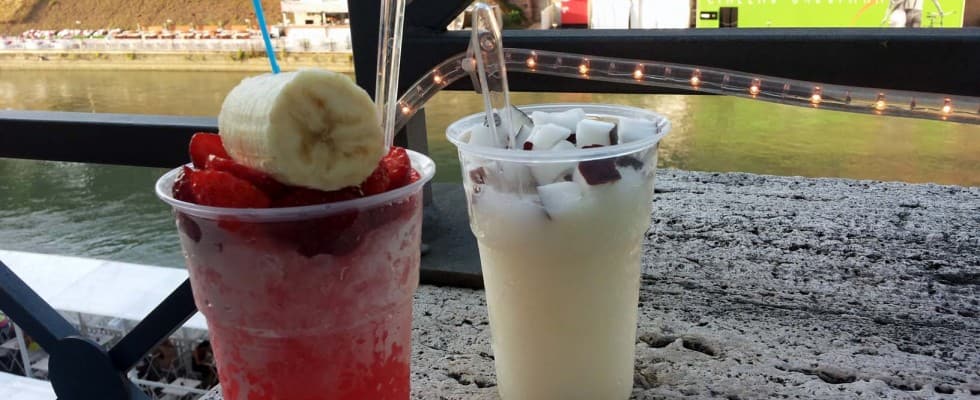
In the summer in Rome it is customary to stop at a kiosk and quench your thirst with a “Grattachecca“. This drink is prepared with a base of crushed ice and then flavored with strawberry syrups, mint and all other fruit flavors.
 GRATTACHECCA
 GRATTACHECCA
Also in the summer season, the Maritozzo alla Panna is very fashionable, a simple dessert consisting of a leavened dough cut in the center and filled with a soft cream of whipped cream.
Lazio Cuisine
Wines from Lazio
Wines with Controlled and Guaranteed Designation of Origin
Cesanese del Piglio DOCG various wines that fall within the DOCG, produced in the province of Frosinone
Cannellino di Frascati or Cannellino (white) produced in the province of Rome
Frascati Superiore (white) produced in the province of Rome
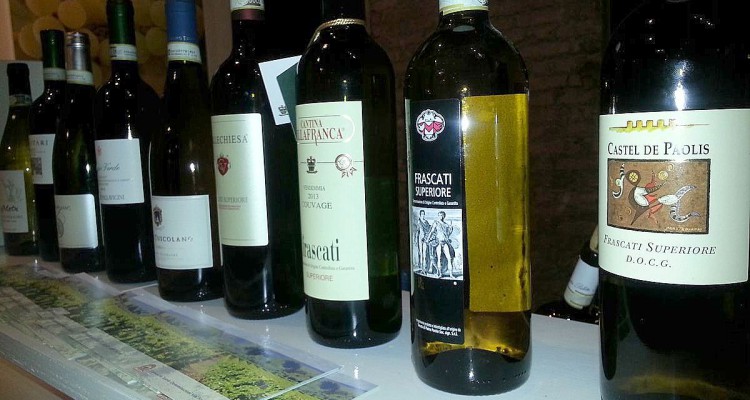
Wines with Controlled Designation of Origin
Aleatico di Gradoli produced in the province of Viterbo
Aprilia produced in the province of Latina
Atina produced in the province of Frosinone
Bianco Capena produced in the province of Rome
Castelli Romani produced in the province of Rome
Cerveteri produced in the provinces of Rome and Viterbo
Cesanese di Affile DOC, produced in the province of Rome
Cesanese di Olevano Romano DOC, produced in the province of Rome
Circeo produced in the province of Latina
Albani Colli produced in the province of Rome
Colli della Sabina produced in the provinces of Rieti and Rome
Etruschi Viterbesi Colli produced in the province of Viterbo
Colli Lanuvini produced in the province of Rome
Cori produced in the province of Latina
East! East!! East!!! di Montefiascone produced in the province of Viterbo
Frascati produced in the province of Rome
Genazzano produced in the provinces of Frosinone and Rome
Marino produced in the province of Rome
Montecompatri Colonna Superiore or Montecompatri Colonna produced in the municipality of Monte Compatri in the province of Rome
Neptune produced in the province of Rome
Interregional Orvieto DOC produced in the provinces of Viterbo (Lazio) and Terni (Umbria)
Rome, whether or not accompanied by the sub-area: Classico (with the exception of the Romanella spumante type)
Sangiovese from Aprilia
Tarquinia produced in the provinces of Rome and Viterbo
Terracina or Moscato di Terracina
Trebbiano di Aprilia
Velletri produced in the provinces of Latina and Rome
Vignanello produced in the province of Viterbo
Zagarolo produced in the province of Rome
 LAZIO CHEESES
 LAZIO CHEESES
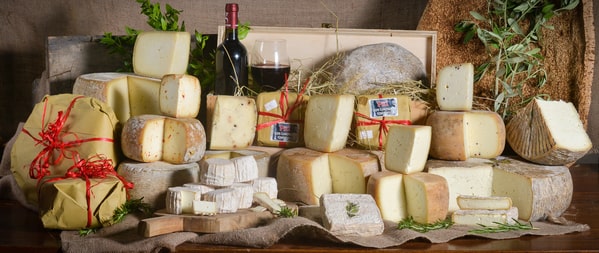
Pecorino Romano D.O.P., for example, can be a curious way to study the history of the Roman army. Made from sheep’s milk, it is aged for 5-8 months, sometimes in Etruscan-Roman tuff caves. It has a good aromatic intensity and a rich flavor, and is famous for its use in the strongly Roman first course, Cacio e Pepe.
A typical cheese is Pecorino di Picinisco D.O.P.! Goats of the Grigia Ciociara and Bianca Monticellana breeds, as well as Comisana and Massese sheep, are brought out to pasture and feed on natural herbs and local shrubs, giving us varied aromas and a pleasant spiciness.
Formaggio dei Pastori pairs well with slices of homemade bread and local wine.
Ricotta Romana D.O.P. is made from sheep’s milk whey, as is another typical cheese from the province of Rome,
Cacio (pecorino) di Genazzano. You can discover other delicacies from all the provinces of Lazio, along with the skill of master cheese-makers who, as is often the case in other regions, are known as true artists who sign their products.
The case of Enzo Recco, producer and affine of Provolone Valpadana D.O.P. in Latina, is emblematic. In the chapter dedicated to Cheeses in Lazio or Lazio Cheeses, you’ll find true gems of cheese,
little-known and produced in small quantities, such as Caciofiore di Columella, the aged Pecorino dei Monti della Laga, the famous Pecorino Amatriciano that enhances the typical dish of Amatrice, and the smoked Pecorino, not to be missed!!!
The Goat’s Marzolina, and the Gran Cacio di Morolo, which demonstrate the cheesemaker’s great craftsmanship, handcrafted, measured, and carefully monitored through the delicate smoking and aging process.
Talk about love and passion. Lazio cheeses that contribute, along with the dairies and shepherds, to making this land magnificent and eternal.
Bologna Cooking Class is the cooking experience N°1 in Bologna (TripAdvisor) with about 700 5 stars reviews
and also won the TriAdvisor award TOP 10% EXPERIENCE WORLDWIDE on TripAdvisor
and +400 5 stars reviews on Google maps
I am sure you will like it and I wait for you in one of my classes,
Visit this page if you are interested in the Short class click here Short class
Visit this page if you are interested in a longer class with market tour click here long class with market tour
Contact luigi@bolognacookingclass.com
See you soon with a new article.
Chef Luigi
 UMBRIA REGION
 UMBRIA REGION
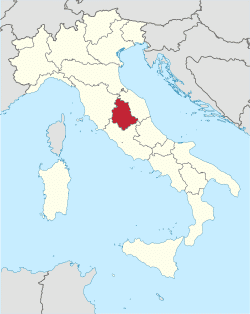
Umbrian cuisine, whose roots lie in the Umbrian and Roman civilization, is founded on a long tradition, with dishes that are not always poor or popular, but with frequent use of legumes and cereals.
Little influenced by the neighboring regions, it is essentially based on meat and products of the earth, which are used both on special occasions and in the daily meal. It is a simple kitchen, with generally not too elaborate processes, which clearly enhance the flavors of the raw materials.
Umbrian cuisine
The typology can be divided into three macro areas which, broadly speaking, correspond to the socio-cultural subdivision in which the region is divided.
Typical of the whole territory is the processing of pork and the production of cured meats: particularly renowned are those of the Norcia area, hence the Italian term “norcino”, which par excellence designates the producer and seller of cured meats.
Other “noble” ingredients that recur in Umbrian flavors are the truffle, an authentic emblem of this gastronomy (especially on the mountain side east of the region and in the middle and upper Valnerina walley), as well as extra virgin olive oil, indispensable in almost all of local recipes.
The areas of Orvieto, Montefalco, Torgiano and the area of Lake Trasimeno are also famous for their vines, from which numerous DOP wines are made.
ANTIPASTO UMBRO
 ANTIPASTO UMBRO
Umbrian Cuisine
Umbrian Appetizers
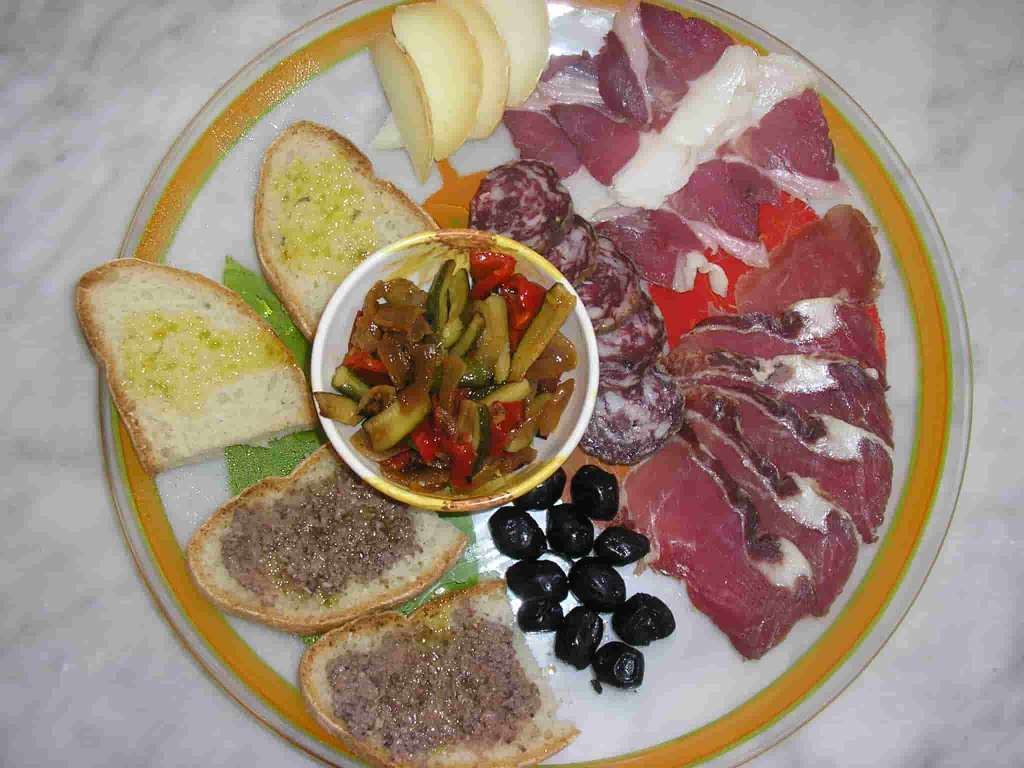
Umbrian appetizer – this term means a plate of cold cuts and cheeses served at the opening of the meal. It generally consists of one or more slices of ham, salami, capocollo, loin or sausage, associated with pecorino or goat cheese and arugula leaves.
Bruschetta – these are essentially whole slices of bread, lightly toasted on the coals, rubbed with a clove of garlic and then covered with olive oil and a pinch of salt.
Chicken liver crostini – halved slices of homemade bread, toasted or not, covered with a ground chicken liver dough (other recipes include a sauce based on truffles, or mayonnaise and mushrooms, mayonnaise and tuna, or even cherry tomatoes chopped).
Panzanella – it is a preparation based on wet stale bread, sliced or chunks, with the addition of tomatoes, onion, basil, olive oil, vinegar and salt. If other more caloric foods are added, such as tuna or mozzarella, it can also be used as a single dish.
 CIRIOLE ALLA TERNANA
 CIRIOLE ALLA TERNANA
Umbrian Cuisine
Umbrian pasta dishes
Agnolotti al sugo – fresh pasta, typical of Città di Castello which is prepared especially during Christmas and Easter.
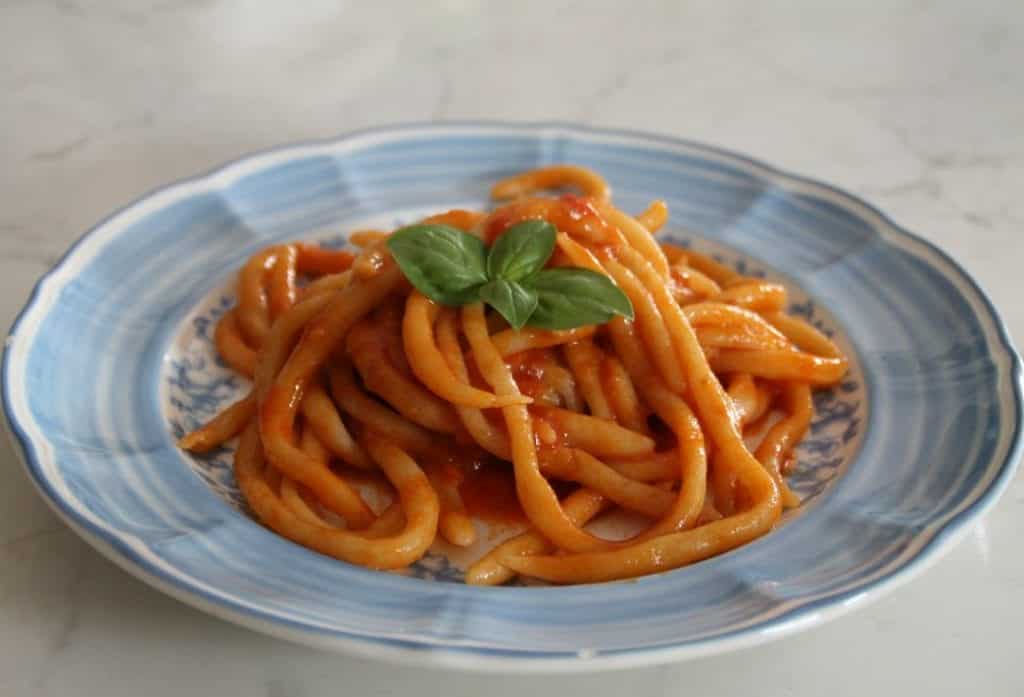
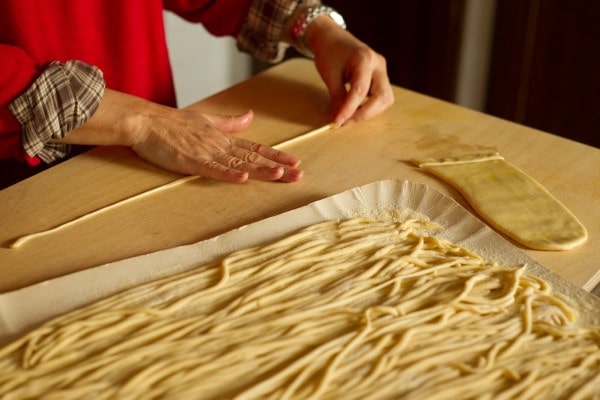
Ciriole alla Ternana – ciriola is a long square-section pasta typical of the city of Terni and its province and is traditionally composed of soft wheat flour and water. It is homemade and is similar in all respects to fettuccine or even Tuscan pici. Its peculiarity is the total absence of eggs in the dough. The basic recipe calls for the accompanying sauce to be a simple garlic, Terni PDO extra virgin olive oil with chilli pepper and the addition of parsley and tomato to be poured according to taste.
Cappelletti in broth – fresh pasta, it is consumed in mixed meat broth especially during the Christmas period.
Gnocchi with goose sauce (Perugia) – potato gnocchi served with goose ragù (preferably young).
Gnocchi al castrato – served with castrated lamb or sheep ragù.
Pappardelle with hare / wild boar ragout – this pasta, similar to very wide tagliatelle, is typically served with a hare or wild boar meat sauce.
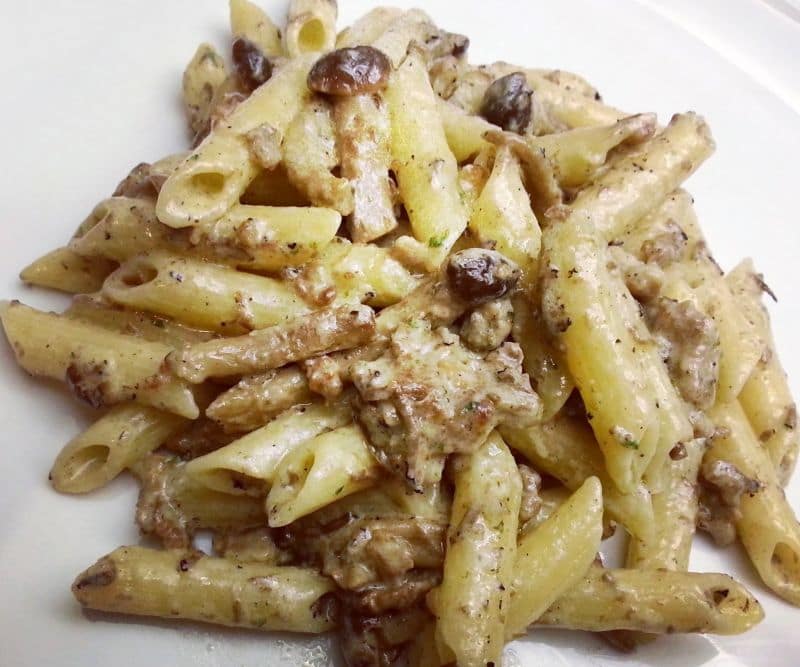
Strangozzi, or Strozzapreti, or Ciriole – it is a pasta similar to tagliatelle, but without eggs, with a rather thick section compared to tagliatelle and a shorter length. In northern Umbria known mainly as strozzapreti, in Foligno-Spoleto strangozzi.
Strangozzi with truffle – generally Norcia black truffle, but also summer scorzone or white truffle, typical of the Upper Tiber Valley.
Tagliatelle al ragù – seasoned with a particular minced veal ragù and pieces of chicken giblets.
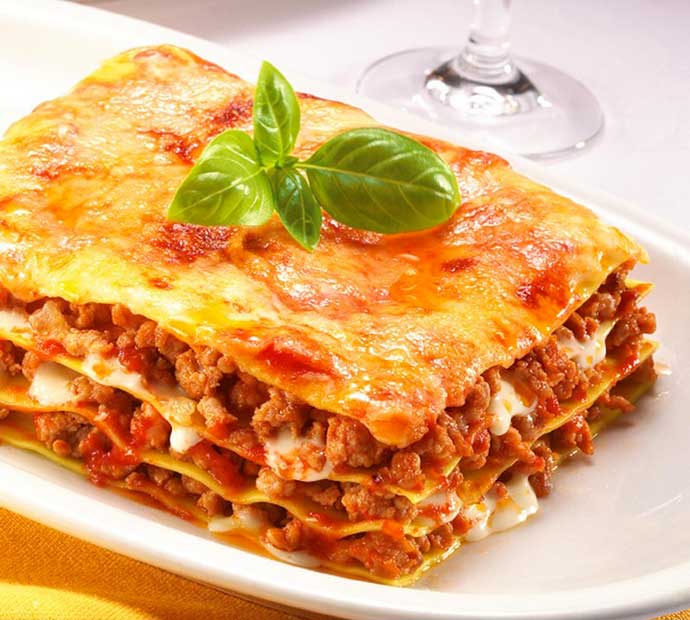
Vincisgrassi – sort of baked lasagna typical of the Foligno mountains, probably imported from the neighboring Marche. It seems that the name derives from that of the Austrian general Windisch-Graetz, stationed in Ancona during the Napoleonic period.
 VINCIGRASSI
 VINCIGRASSI
Pasta alla Norcina – Traditional Norcia dish consisting of penne or tagliatelle topped with cream and sausage, fresh truffle and parmesan are sometimes added. In the ancient version, the cream is replaced by sheep’s ricotta diluted with a little cooking water from the pasta.
Gnocchi alla Collescipolana – the famous gnocchi alla Collescipolana, with a more square shape and tougher and al dente consistency than those of classic potatoes from northern Italy, are seasoned with beans and pork sausage sauce are a real delicacy of Terni.
This dish takes its name from the hamlet of the Terni castle of Collescipoli.
Secondi piatti (main dishes)
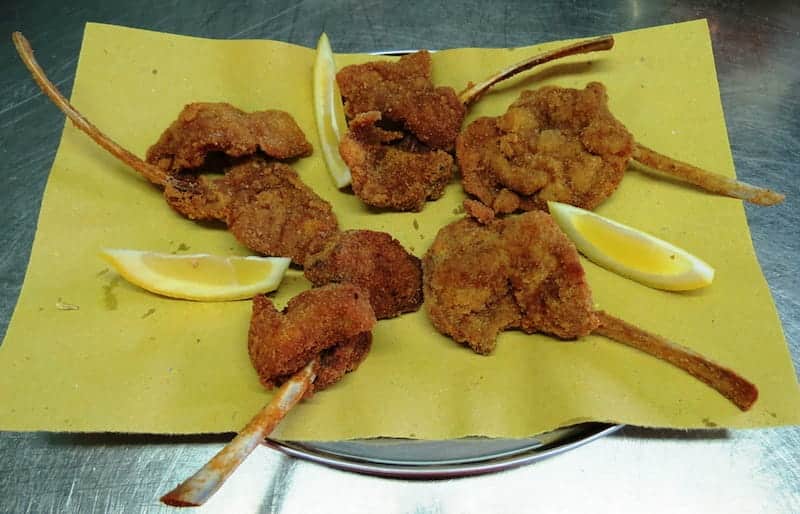
Fried lamb – breaded and fried lamb chops.
Coratella d’agnello – stewed in white, with garlic or onion and various flavors.
Friccò all’eugubina – Typical dish of the city of Gubbio, composed of mainly white meats, stewed with tomato and accompanied with Crescia.
Easter omelette (Province of Terni) – Typical Easter lunch omelette, which is seasoned with courgettes, asparagus, wild chicory, sausage and aromatic herbs.
Umbrian Cuisine
Galantine – it is a boneless and eviscerated hen, whose skin is filled with minced chicken and beef, boiled eggs, pepper, cheese, nutmeg and shelled pistachios. The wrapper is then sewn, wrapped with twine for containment and cooked in broth. It is eaten cold, cut into slices.
Snails (Foligno) – the land snails are handpicked and prepared cooked in different ways.
Roasted goose – same method of preparation as roasted chicken, but applied to a goose.
Stuffed roast pigeon (Province of Terni) – traditional preparations involve the use of a whole wild wood pigeon.
Gigeon pigeon (Province of Terni) – the pigeon is roasted on a spit, during cooking the dripping pan is placed under the animal, here the liquid that falls from the pigeon is concentrated and subsequently with this and the entrails of the pigeon itself sauce to be served alongside the roast.
PORCHETTA
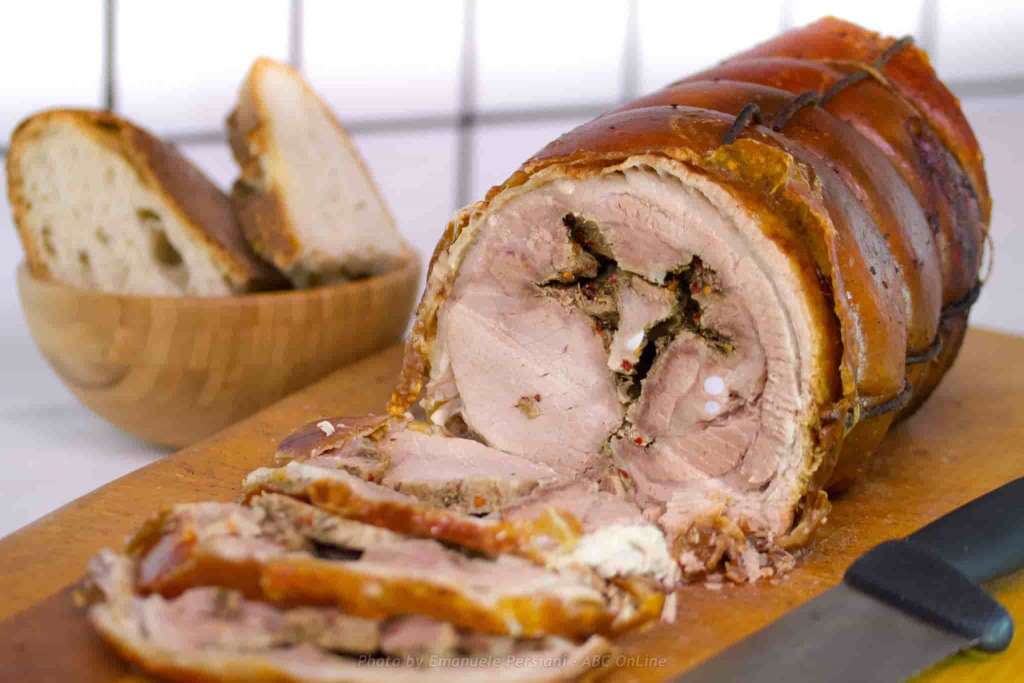 PORCHETTA
Porchetta – a whole piglet is roasted after being filled with entrails, fennel and aromatic herbs. It is cut into slices and normally eaten, even between meals, in sandwiches (lo paninu co la porchetta): its consumption is favored by the presence of a large number of street vendors who go to the points where the greatest concentration of people is expected (markets, concerts, gatherings, etc.). They generally do not produce porchetta on their own but rather obtain supplies from artisans who prepare it professionally: the best are found near Norcia, the cradle of porchetta, and in the entire province of Terni.
Sausages with lentils – typically Castilian dish, the sausages of Norcia and the lentils of Castelluccio di Norcia are prepared stewed with tomato.
Frog skewers – roasted frogs are typical of the Perugia area of Capanne and are mainly prepared during the annual festival dedicated to them.
 COJONI DI MULO
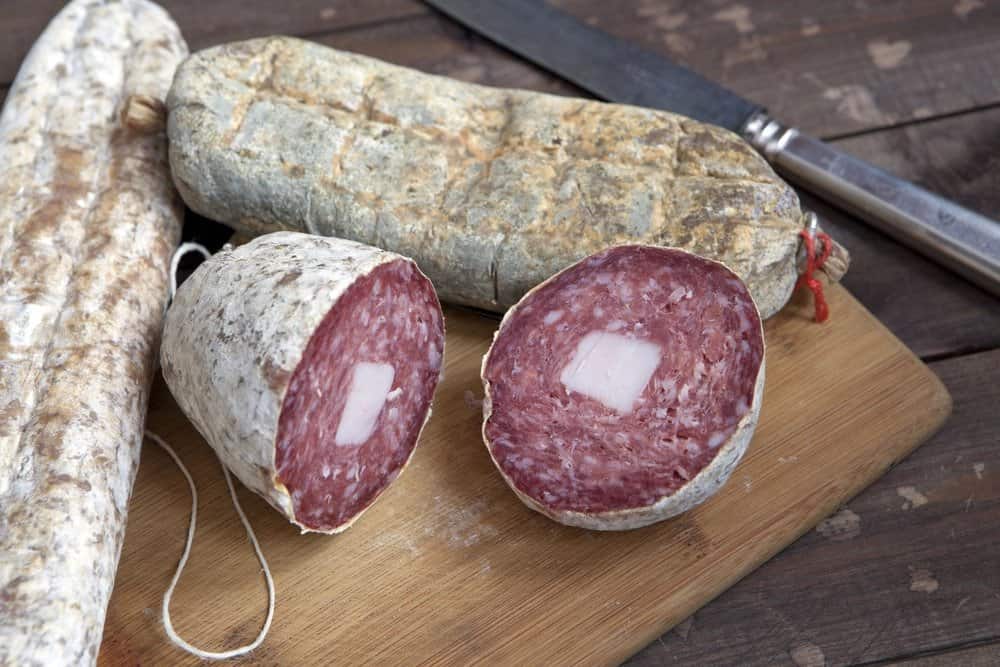 COJONI DI MULO
Umbrian Cuisine
Umbrian Cold cuts and cheeses
Barbazza – pork cheek.
Smoked guts – pig entrails.
Caciotta – cow’s milk cheese.
Capocollo – cured meat obtained from the pig’s back muscle. After seasoning, it is wrapped in typical oiled paper sheets.
CAPOCOLLO
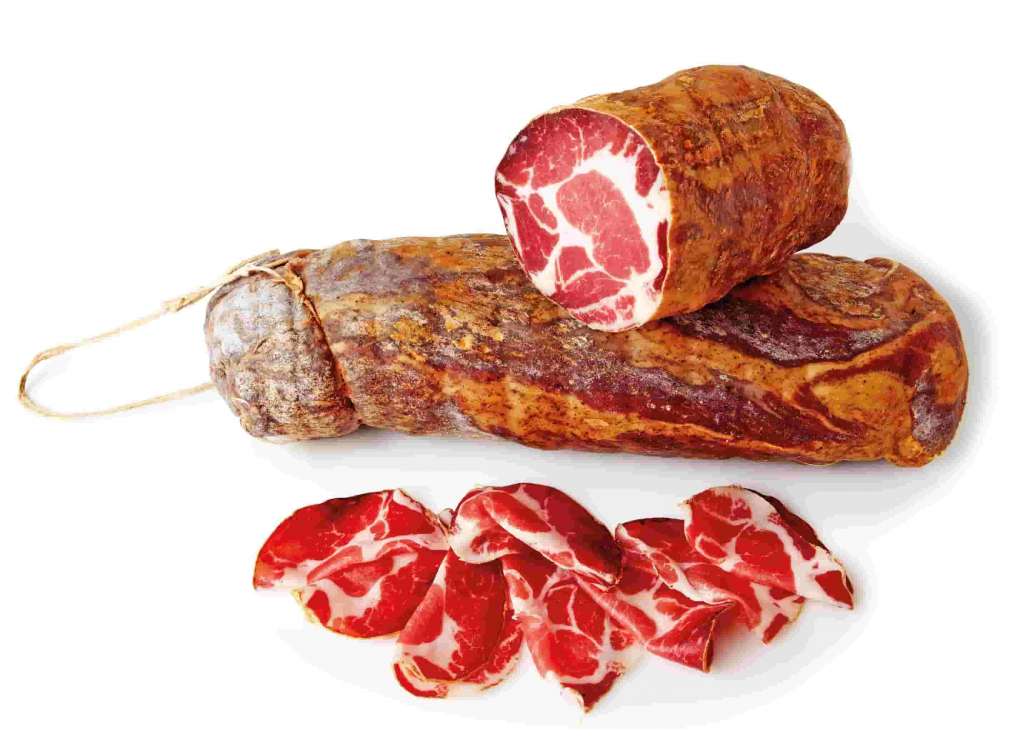 CAPOCOLLO
Ciauscolo – spreadable sausage typical of the Marche and Umbria of Valnerina walley and the Folignate mountains bordering the contiguous region.
Cojoni de mulo (Norcia) – sausage with a typical bag shape.
Corallina (Norcia) – sausages prepared with not finely ground meat.
Wild boar sausages (Norcia) – the mixture of these sausages is actually based on pork, but a good percentage of ground boar is added to it.
 WILD BOAR SAUSAGE
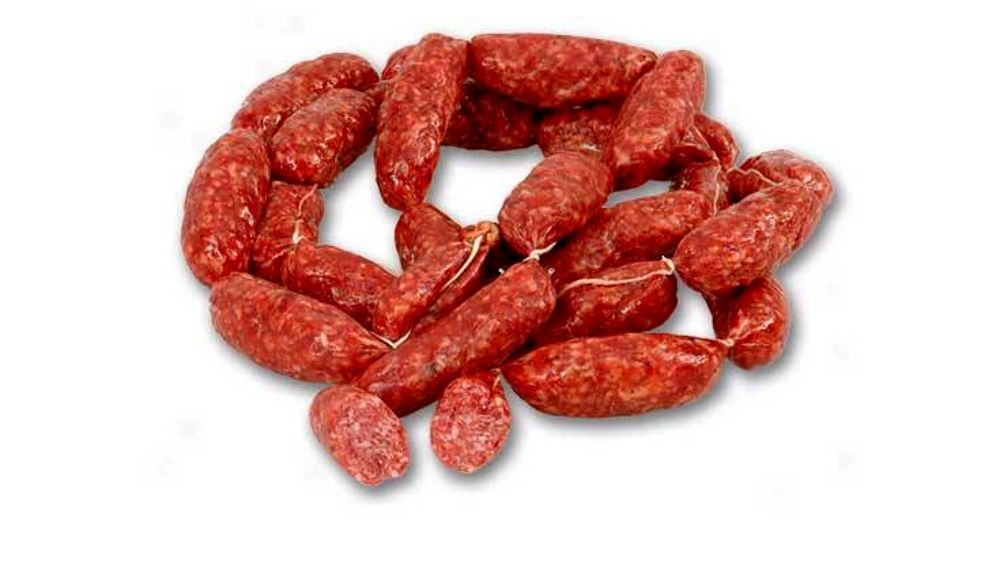 WILD BOAR SAUSAGE
Deer cured meats – staple, morsels, ham and cacciatorini prepared especially in the area of Nocera Umbra.
Loin – similar to the capocollo, but made with pork loin meat. It has a more delicate flavor and an appearance similar to that of bresaola.
Mazzafegati – sausages made from pork meat and liver, stuffed with sultanas and orange peel.
Umbrian pecorino – hard cheese made from sheep’s milk.
Prosciutto di Norcia – is a PGI ham produced in the Norcia area and neighboring municipalities.
PROSCIUTTO DI NORCIA
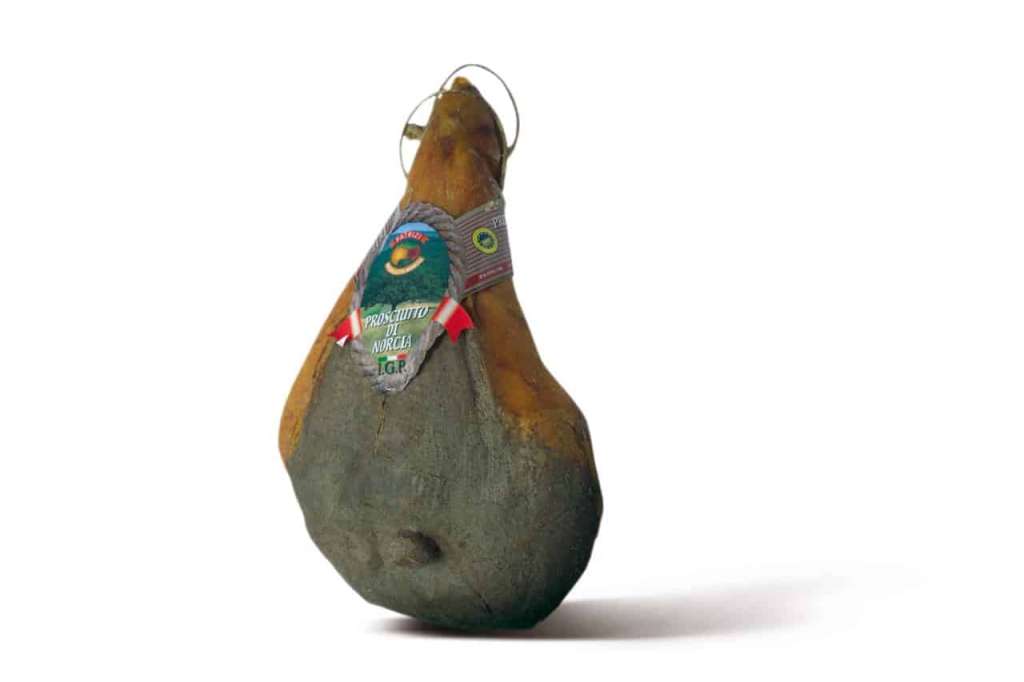 PROSCIUTTO DI NORCIA
Salted ricotta – the ricotta is aged for a couple of weeks and served grated.
Ventresca – local variant of pancetta.
 UMBRIAN PECORINOS
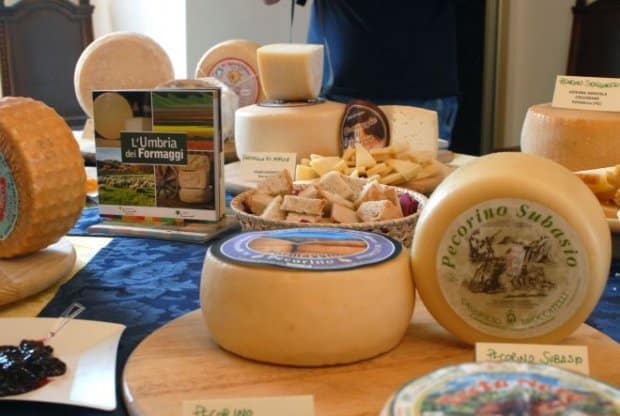 UMBRIAN PECORINOS
Umbrian Cuisine
Umbrian Side Dishes
Bandiera – green peppers, white onion and red tomato (reminiscent of the colors of the Italian flag) cut and cooked in a pan with oil and salt.
Grass – various wild field herbs, sorted and boiled, are served to accompany the meat, seasoned with a drizzle of oil and salt.
Lentils – eaten stewed with tomato especially during the Christmas period, they are mainly produced on the Colfiorito plateaus and in the Castelluccio area for which there has been IGP recognition.
Gobbi parmigiana – the leaves of the Artichoke Thistle (Cynara cardunculus L) are used, which is a species of artichoke that is generally harvested in early winter.
These are boiled and fried with flour and beaten eggs; cut into strips, they are then arranged in layers in a pan, alternating with bechamel and tomato sauce or ragù. Everything is finally cooked in the oven.
 PANPEPATO
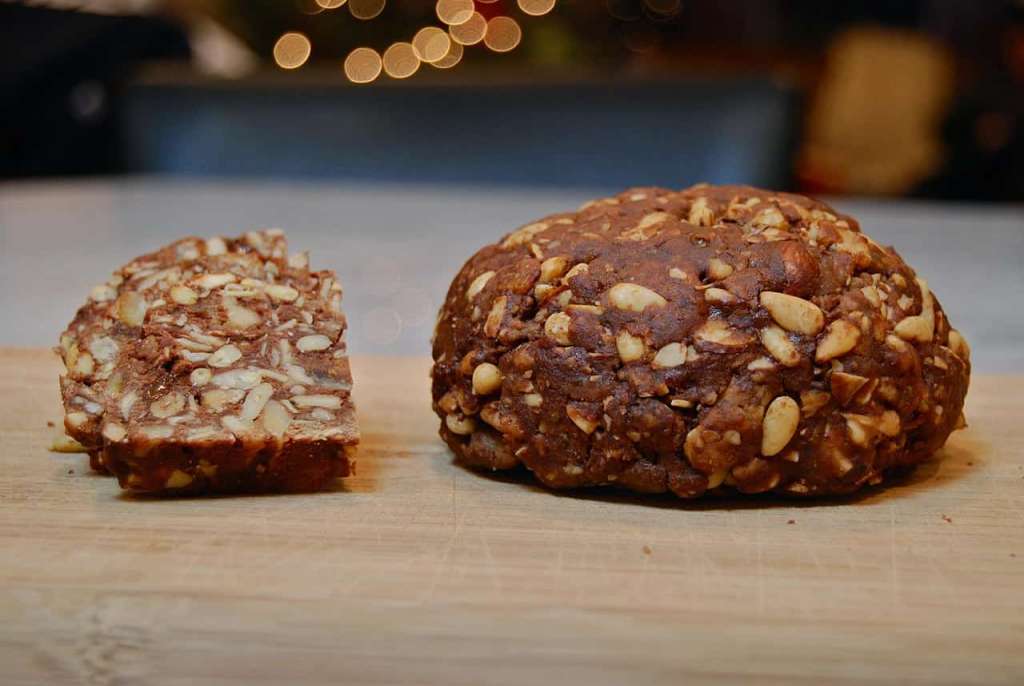 PANPEPATO
Umbrian Cuisine
Umbrian Desserts
Strufoli – prepared for Carnival, they are cream puffs fried in oil and served sprinkled with plenty of loose honey. More common in northern Umbria, the carnival strufoli are similar to the Castagnole of southern Umbria, they differ from these in their larger size and because they are sprinkled with honey, rather than alchermes and sugar.
Castagnole (Province of Terni) – Sweets prepared for Carnival, similar to the Strufoli of northern Umbria, differ from these in their smaller size and in that they are sprinkled with alchermes and sugar, rather than honey.
Sweet potato donuts – typically prepared in the Colfiorito area with local red boiled and mashed potatoes. It is a recipe with a fairly recent tradition.
SWEET POTATO DONUTS
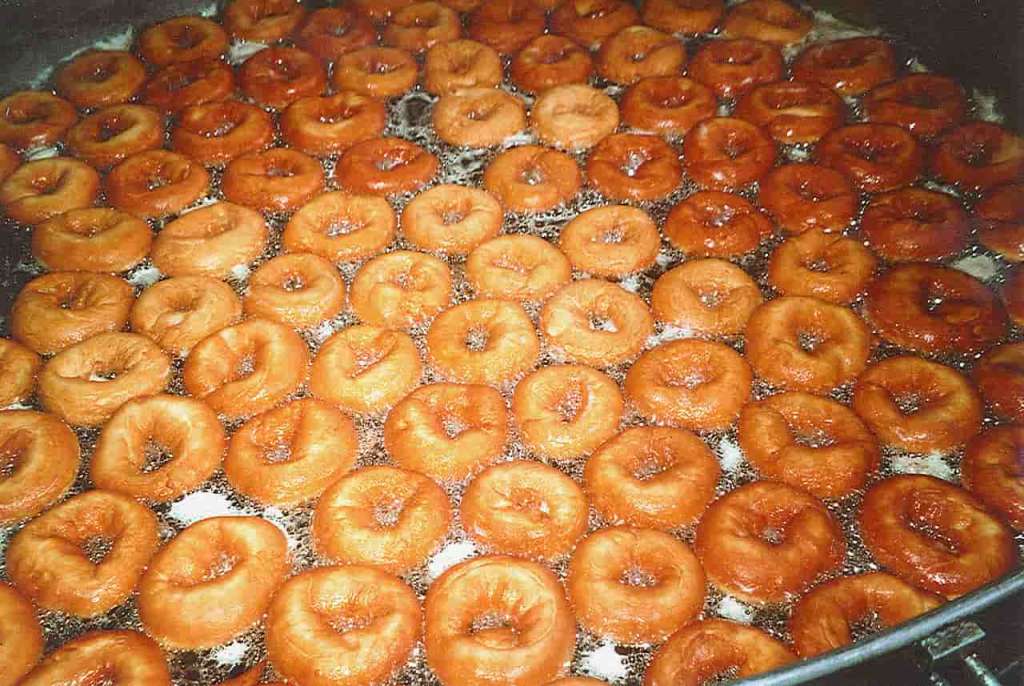 SWEET POTATO DONUTS
Cicerchiata (mountain around Foligno) – The dessert is based on flour, eggs, butter and sugar. From this, balls of about one centimeter in diameter are obtained which are fried in olive oil or lard. Drained, they are arranged “pile” and covered with honey.
Torciglione (Perugia) – characteristic open donut (i.e. not closed on itself) prepared with a mixture of sweet almonds, pine nuts and sugar. It is traditionally prepared in the form of a snake, wrapped around itself, with a protruding almond to draw the tongue.
Torcolo – round donut made from flour, sugar, milk and yeast.
Torcolo di San Costanzo (Perugia) – it is a donut that is prepared on the occasion of the feast of San Costanzo (29 January), patron of the city of Perugia. The dough is enriched with candied fruit, raisins and anise.
FAVE
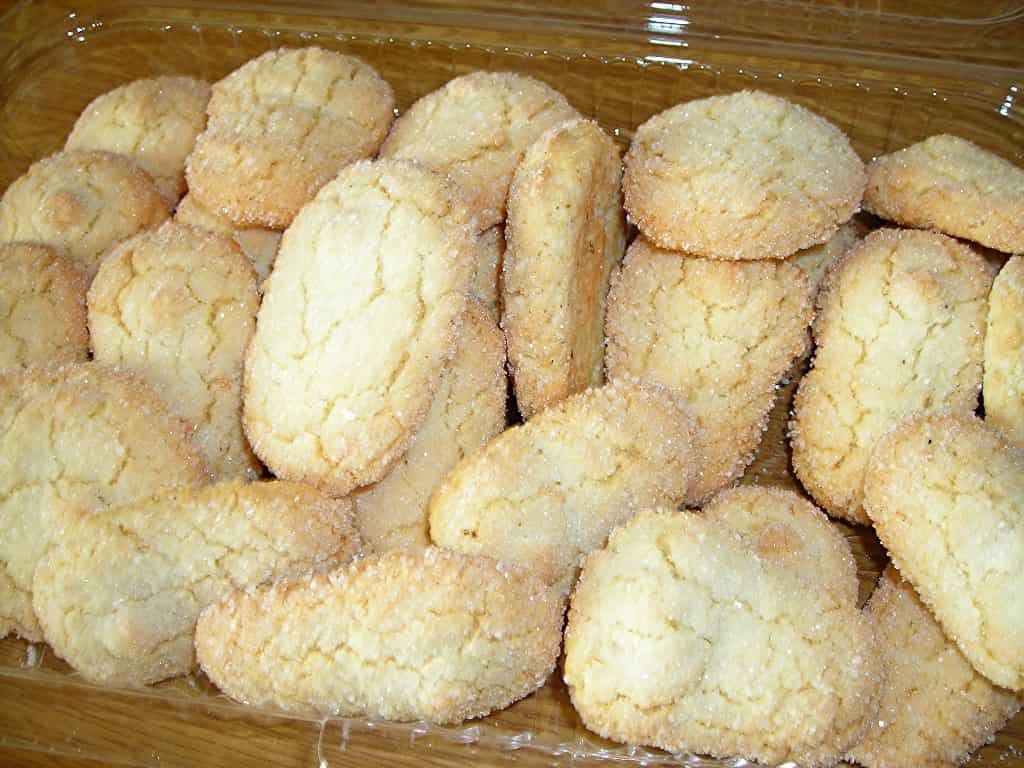 FAVE
FAVEZuppa Inglese (variations throughout the region) – prepare the Torcolo in very fine slices, wet it in alchermes and arrange it in layers in a ceramic pan. The layers of torcolo are alternated with layers of custard, which also forms the last layer. Everything is decorated with chocolate and sugared silver beads. The dessert should be served cold.
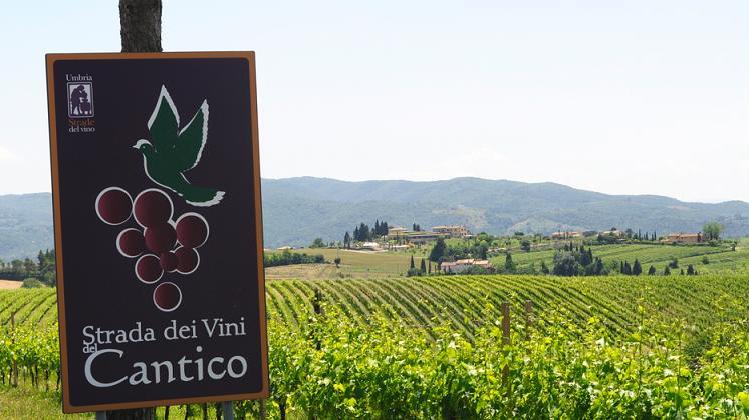
Umbrian Cuisine
Umbrian Wines and spirits
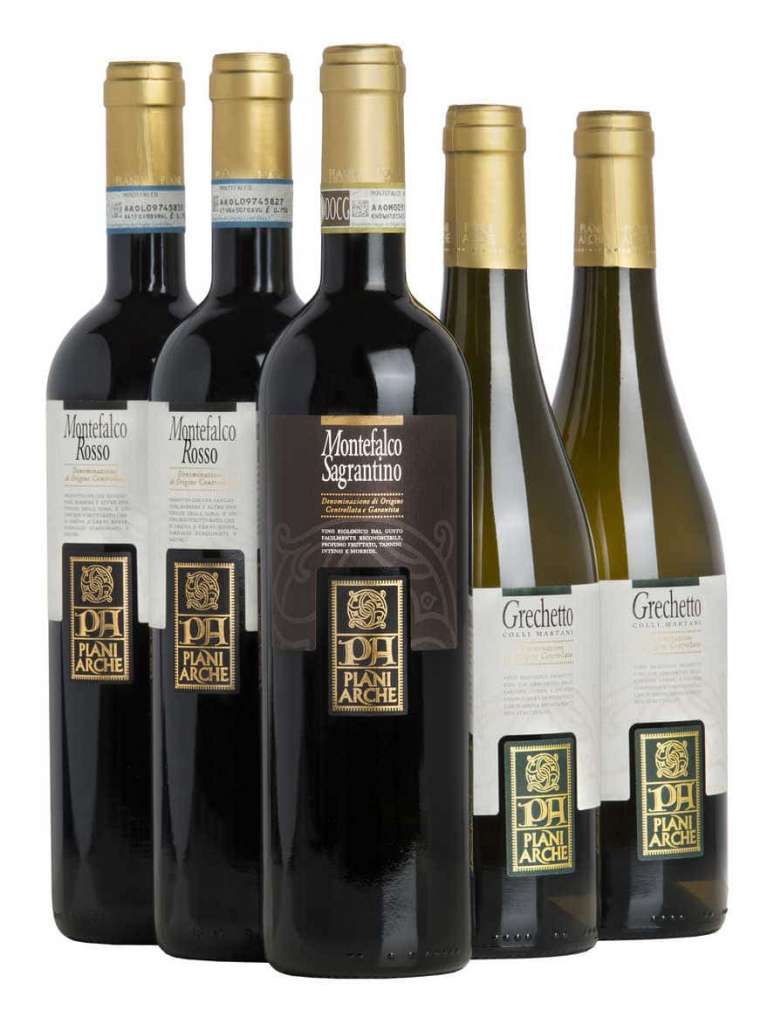
The wines with controlled denomination of origin in Umbria are eleven: Orvieto, Lago di Corbara, Assisi (Grechetto, white, Novello, rosé, red),
Altotiberini Colli(white, rosé, red),
Amerini Colli (white, red, Malvasia) ,
Colli Martani (Grechetto, Grechetto di Todi, Sangiovese, Sangiovese reserve, Trebbiano),
Colli Perugini (white, rosé, red),
Colline del Trasimeno (Cabernet Sauvignon, Cabernet Sauvignon reserve, Gamay, Gamay reserve, Grechetto, Merlot, Merlot reserve , white, Vin Santo white, sparkling white, selected white, rosé, red, sparkling red, Novello red, reserve red, selected red, classic sparkling wine),
Montefalco, Rosso Orvietano, Torgiano (white, red, sparkling wine).
There are two wines with Denomination of Controlled and Guaranteed Origin:
Torgiano Rosso Riserva and Montefalco Sagrantino (Rosso in the Secco and Passito types).
Orvieto constitutes 70% of the DOC wine production of the entire region.
Liqueurs include:
Alchermes – although it is not Umbrian, this red-colored liqueur is used in many sweet preparations.
Amaro al tartufo nero – alcoholic product based on various herbs and an infusion of Norcia black truffle.
Maniere (Perugia) – fermented syrup of the fruit of the strawberry tree.
Vin Santo – wine obtained from the pressing of grapes left to dry for a couple of months, in a dry and well-ventilated place. It is generally prepared in the months of December-January.
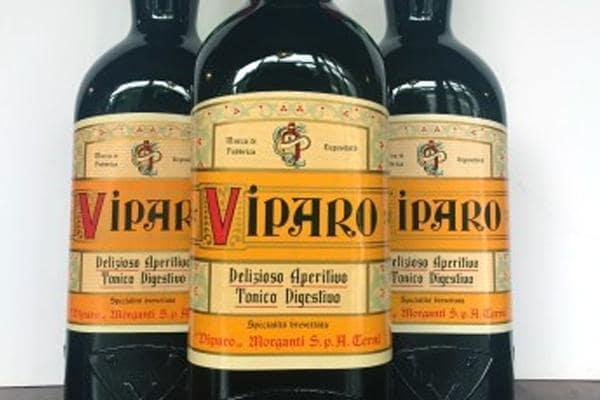
Viparo – it is a bitter made in Terni by a single producer, the Morganti family. It is prepared from an infusion of herbs, roots and aromatic woods. The name comes from the Latin Vis Paro, “I generate strength”.
Bread and starchy foods
Arvoltolo (Perugia) – dough made from flour, water, yeast and salt which is reduced to batter and poured into frying over boiling oil, in the form of slightly thick circular cupcakes. After being dried from the oil, the voles can be seasoned with salt or sugar and preferably eaten hot.
Brustengolo or brustengo defferents from Arvoltolo for a more liquid and yeast-free dough. The brustengolo mixture can be seasoned with sausage, or onions or rosemary, etc.
Bocconcello – it is a savory cheese cake, prepared in the past during the harvest and threshing, typical of the countryside
Umbrian cuisine
Pane di Terni – the bread of Terni (together with the Tuscan and the Marche) is traditionally bland, that is, salt is not used in the dough.
Tradition has it that this food tradition dates back to the preparation of bread in the context of the Umbrian sharecropping, with the farmers who self-produced it for their sustenance.
Later, with the so-called Salt War, in rebellion against the tax imposed by Pope Paul III in 1540 for the use of this condiment throughout the papal territory, the custom would become widespread and permanent. However, recent research seems to contradict this legend
Torta al testo – it is a mixture of water, yeast, flour and salt which is left to levitate and then cooked on the Testo, that is, a stone disc heated on the embers of the hearth.
Cooking is facilitated by placing a metal circle on the crushed dough, which is also covered with embers. It can be assimilated to a thick and wide Romagna Piadina; probably, it derives from a focaccia that was prepared by the Roman soldiers on the Testum, a brick tile.
This food is usually consumed with a filling of salami (ham), roasted sausages, or sausages and boiled country grass. More unusual, and recently introduced, the filling with melted chocolate or gianduia cream.
This recipe is widespread almost throughout northern Umbria, where it is known by different names
 SALSICCIE DI NORCIA
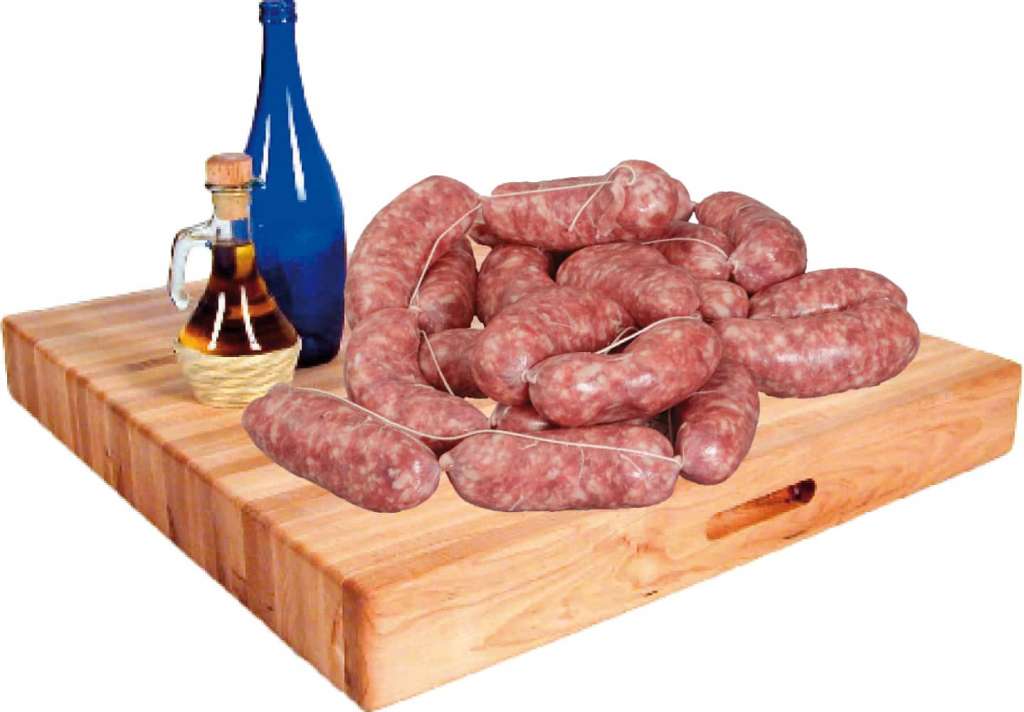 SALSICCIE DI NORCIA
Bologna Cooking Class is the cooking experience N°1 in Bologna (TripAdvisor) with about 700 5 stars reviews
and also won the TriAdvisor award TOP 10% EXPERIENCE WORLDWIDE on TripAdvisor
and +400 5 stars reviews on Google maps
I am sure you will like it and I wait for you in one of my classes,
Visit this page if you are interested in the Short class click here Short class
Visit this page if you are interested in a longer class with market tour click here long class with market tour
See you soon with a new article.
Chef Luigi
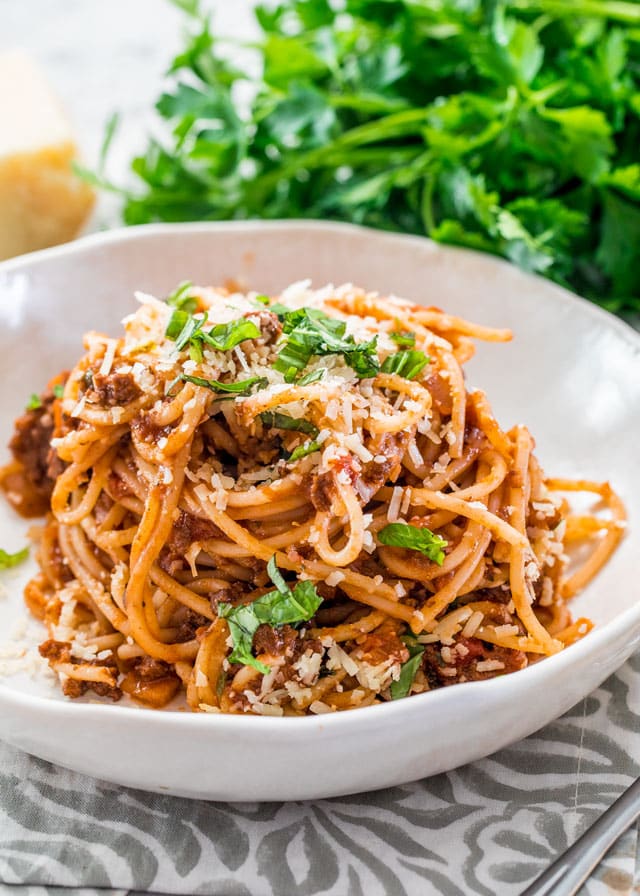
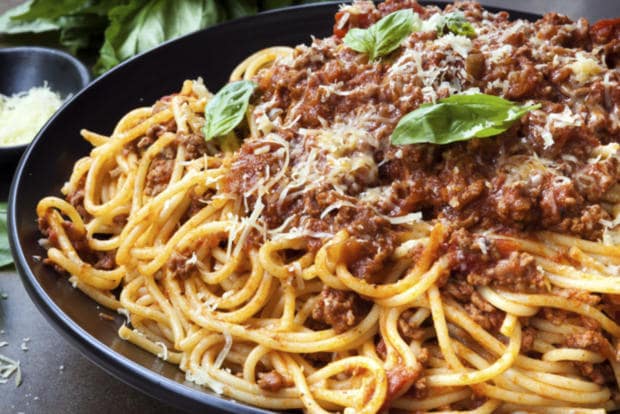
Spaghetti Bolognese is a true gastronomic case, which for years has stimulated a heated debate. Abroad this dish is appreciated and very popular, while in the city of the two towers (Bologna, where Bolognese sauce was born 350 years ago) it is generally considered a culinary blasphemy, in defense of the Tagliatella pasta to be combined with the traditional sauce.

A certain controversy has continued for some time, over the very existence of the dish and the characteristics of the recipe, which has always been offered in different variations.
How to cook the best Spaghetti Bolognese
In addition to denying its historical origins, many consider the combination of Bolognese sauce and durum wheat spaghetti (of Neapolitan origin) to be wrong and unpleasant, which, since it tends to be slippery, would not be able to hold the sauce well. Also for this reason, spaghetti Bolognese are generally neglected by the great Italian gastronomy.
The best Spaghetti Bolognese
But back to us, how do you cook the best Spaghetto Bolognese?
The secret is the sauce, and the sauce, made in Bologna is unrivaled, there are some fundamental points:
1) Have enough time to cook the sauce
To make an excellent Bolognese sauce you need to cook the sauce at least 2 hours, preferably 3 or 4 hours simmering.
2) Do not use tomato sauce, but tomato paste,
the tomato sauce, when you cook it for a long time, becomes acidic, with the tomato paste it remains sweet
3) The sauce should be red / dark brown and not tomato red
I have already written another article where I explained how to make the best Bolognese sauce and the mistakes to avoid.
But if you really want to learn how to do it, the real Bolognese sauce and how to cook in the right way, I suggest you to take a class with me,
Bologna Cooking Class is the cooking experience N°1 in Bologna (TripAdvisor) with about 700 5 stars reviews
and also won the TriAdvisor award TOP 10% EXPERIENCE WORLDWIDE on TripAdvisor
and +400 5 stars reviews on Google maps
I am sure you will like it and I wait for you in one of my classes,
Visit this page if you are interested in the Short class click here Short class
Visit this page if you are interested in a longer class with market tour click here long class with market tour
See you soon with a new article.
Chef Luigi
Marche cuisine
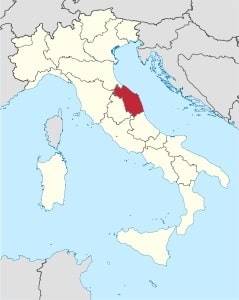
History
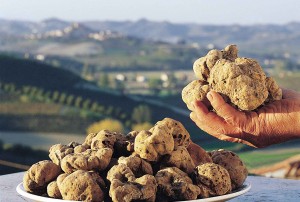
The Marche is a confederation of cuisine. Located at the center of the Italian peninsula, it identifies with the ancient Piceno territory (IX – IV century BC), still presenting a plurality of dialects, customs and folklore. The gastronomic uses of the Pesarese and Montefeltro are closely related to those of the neighboring Romagna (soups), as well as the dishes of the last southern strip are largely influenced by those of the Abruzzo region. There are two aspects of the local cuisine corresponding to the geographical characteristics of the region: the hinterland and the maritime one. 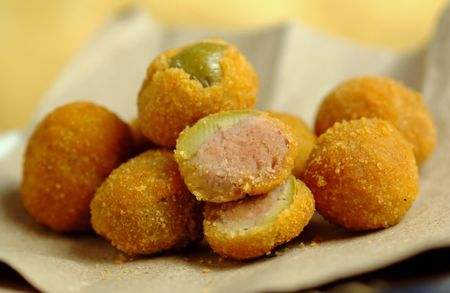 Aspect of the Marche cuisine is dominated by mushrooms, the use of olives and truffles. Truffle is the sublime condiment of homemade tagliatelle (local egg pasta), from the localities of Pesarese, dell’Ascolano and of the Maceratese, today it guarantees an important integrative resource to the rural economy thanks to the Acqualagna market, where one third of the entire annual Italian truffle production is concentrated.
  The gastronomy of the Marche region, which has a real taste in the field of stuffed foods, has one of the most representative dishes in the Ascolana olives, whose cultivar was already appreciated by the Romans. The main dishes of the hinterland are based on pork, among which stand out the tasty “porchetta”, and the cotechino of the fortress of San Leo, which is said to have also eaten Cagliostro when he was locked up. On the coast of the Marche instead you can taste a large quantity of fish products. Dish symbol is the “fish broth”, interpreted differently in each port, from the red (tomato) of the Pesarese to the yellow (saffron) dell’Ascolano. In use between the Conca river (Romagna border) and the River Tronto (before the Abruzzi) there is a “potacchio”, deriving from the French “potage”, that in this area it does not designate a soup but a small marinated sauce with stockfish, chicken or rabbit.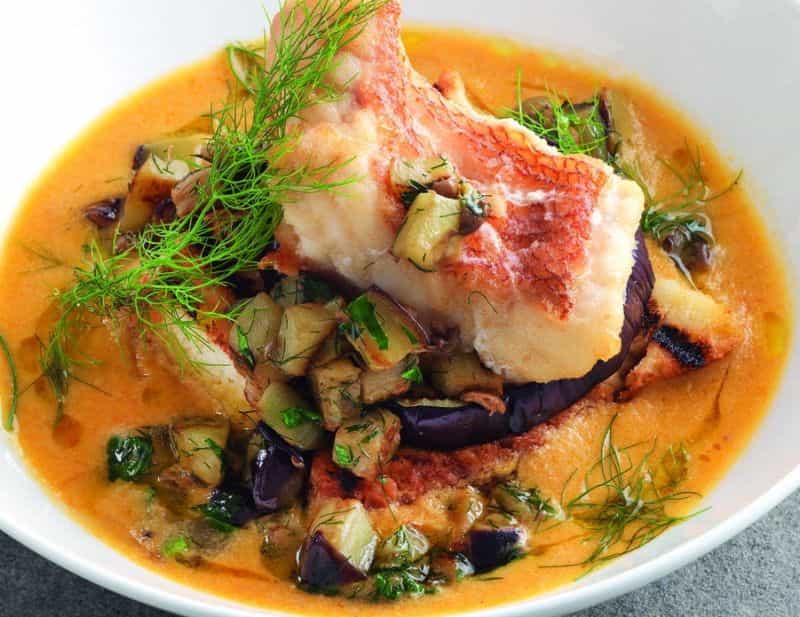
Marche cuisine
Appetizers
The typical antipasto of the region is cold and can be composed of a wide variety of local meats and cheeses such as the salami of Fabriano, the salamini alla cacciatora, the ham, the ciauscolo (typical salami), the loin, the ham of Carpegna, the ciarimbolo, the mazzafegato, the galantine, the migliaccio, the salame of sheep, the aromatized ham of the Montefeltro, the salami suppressed of Frattula, the liver sausage, the cheese of fossa (cheese seasoned in cave), the pecorino in barrel, the raviggiolo and the casciotta d’Urbino). 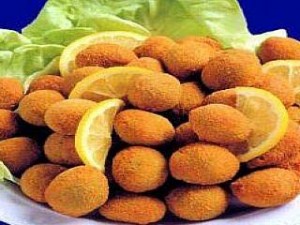 The meats and cheeses are accompanied by the mixture of bread dough and round shape to eat with the field herbs cooked in a pan including chicory. In addition, especially during Easter the Easter pizza, with salty and leavened dough, in the shape of panettone and with chunks of cheese, usually pecorino and parmesan; on Easter day there is usually no hard boiled eggs along with meats and cheeses.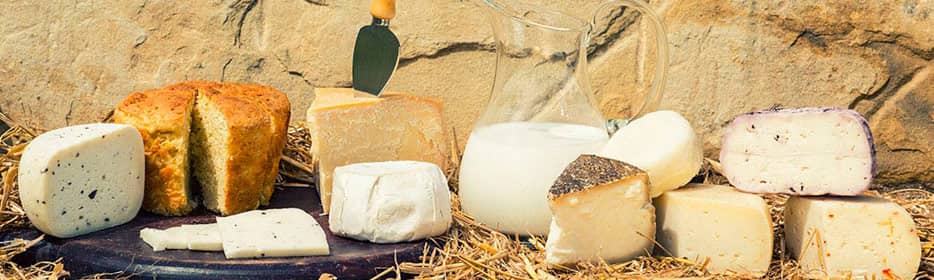
Marche cuisine
First dishes
Sovrano of the first macerates and anconitani dishes are the Vincisgrassi (plate similar to lasagna); Tradition goes back to its name to a distortion of that of the Austrian general Windisch-Graetz, who fought against Napoleon: however, it is a fact that the plate was already present in some books of recipes of the 1700s, where they were called Princisgras. 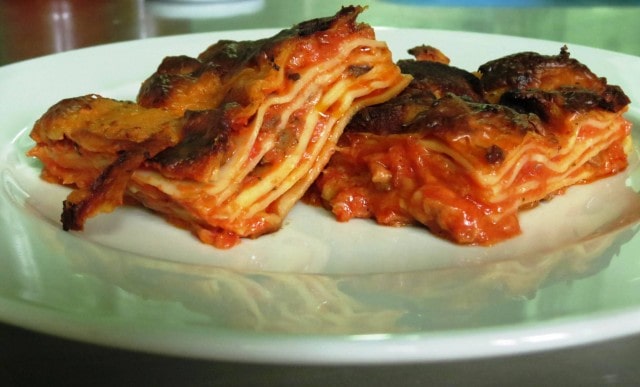 Other traditional soups from the Ancona area and the Ascoli area are less opulent: the quadrucci with the potatoes (or the beans, or beans and pork rinds), the Pecianelle of Sassoferrato (big leavened spaghetti with tomato sauce).
 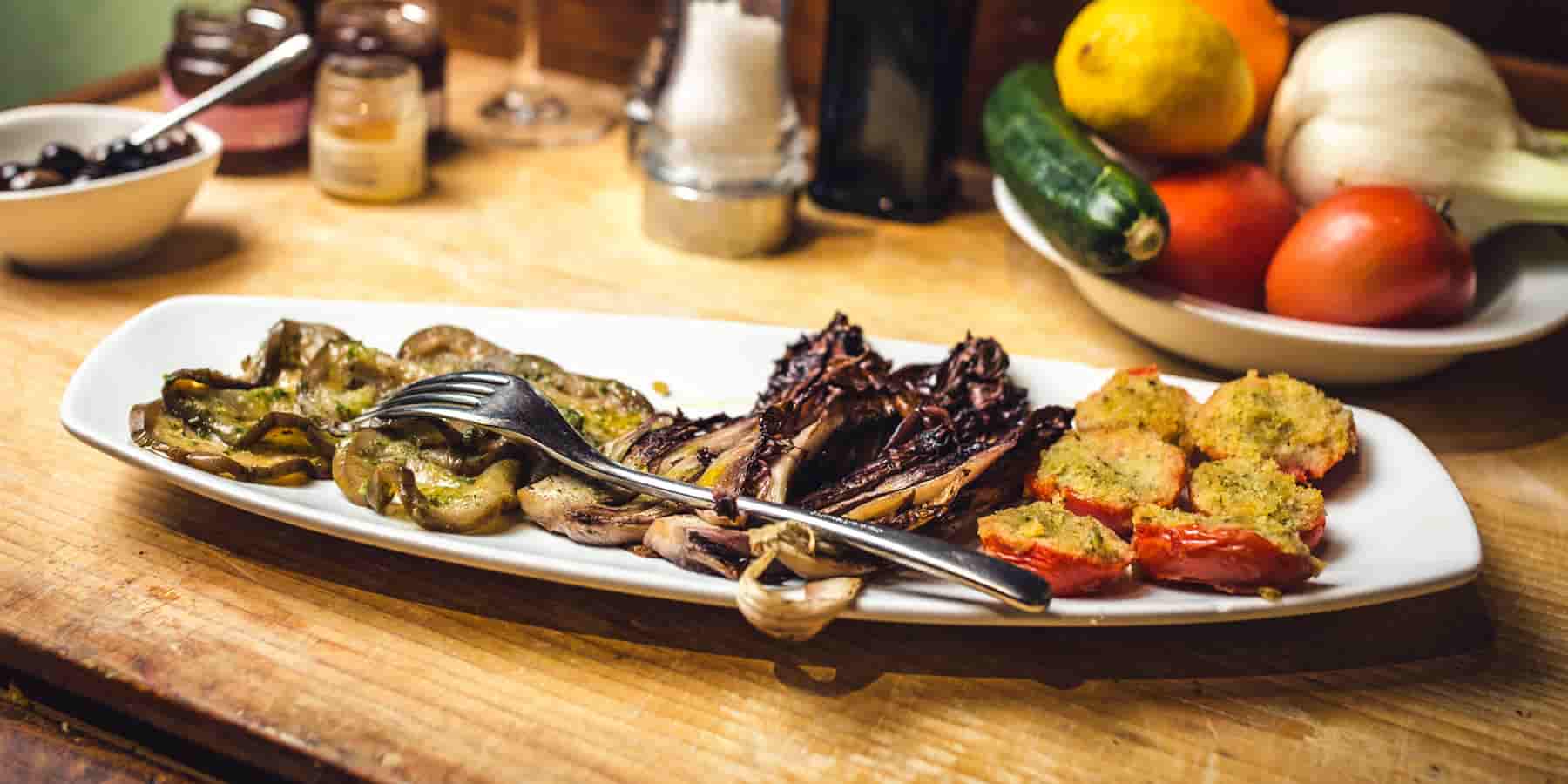 the Frescarelli (lumps of flour cooked in water and seasoned with garlic and pecorino cheese). The bruschetta and panzanella are popular bread-based dishes in the Marche region as well as in Tuscany, Umbria and Lazio. To remember also passatelli, homemade pasta originally from Pesaro, usually served in broth. In the Fermano are produced the “maccheroncini di Campofilone”, seasoned as you like.
Marche cuisine
Main courses
Among the main dishes of the center of the region we should mention the pork in “porchetta”, the tripe, the roast chicken (that is flavored with a thick slice of lard), the chicken with peppers, the marinated lamb, the lamb corate and the omelette with mint (typical dishes of the Easter period). 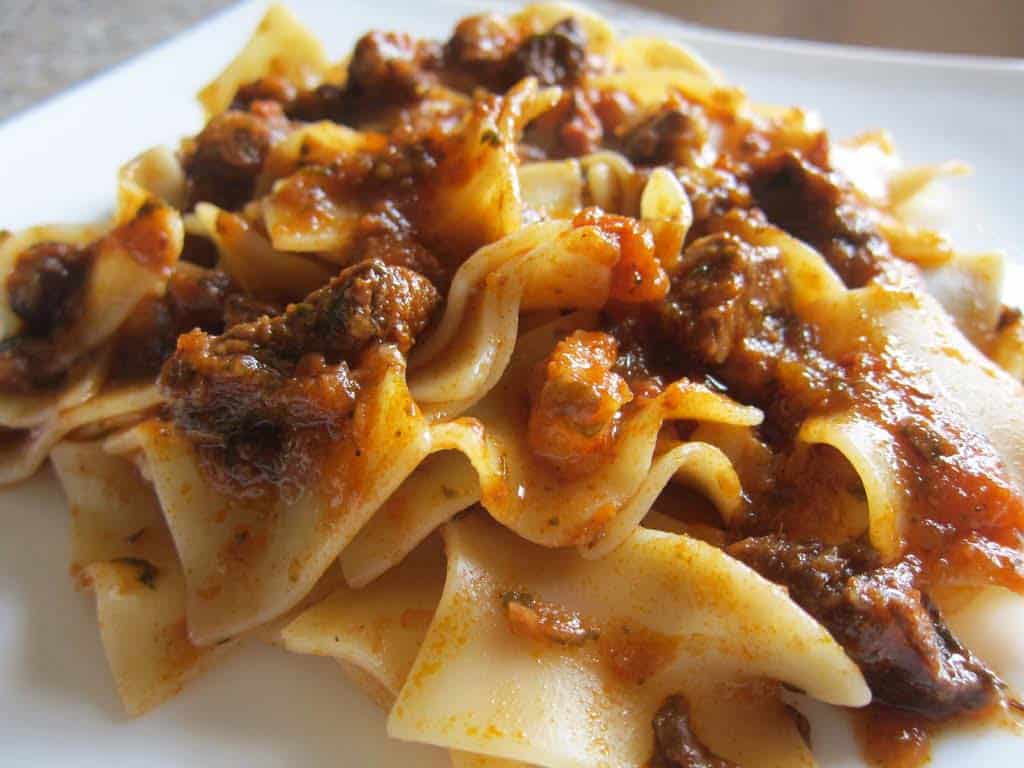 Typical of the capital are the stockfish in Ancona soup, with tomato, anchovies. Famous is the fried all’ascolana, consisting mainly of Ascolan olives (stuffed with meat, breaded and fried) and cremini (cubes of custard, breaded and fried). typical of the Pesarese is a braised one that throws its origins more than one hundred years ago … the pasticciata alla pesarese, consists in a loin of veal browned, cut into slices then cooked in a tomato sauce. It is usually accompanied by mashed potatoes and mixed herbs in a pan.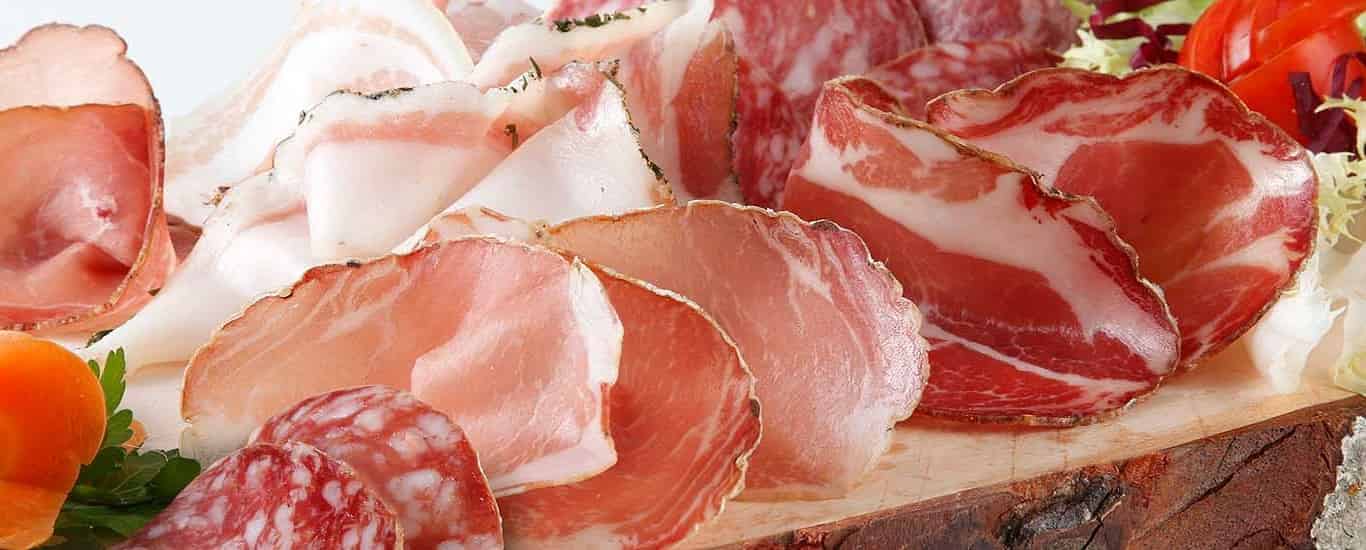
Marche cuisine
Desserts
For desserts we remember the so-called black pudding, from the flavors and techniques of the renaissance (around the 1500s), consisting of a mixture of bread crumbs, honey, rum, cinnamon, sapa (grape syrup) and orange peel crammed into pork casing and boiled for half an hour; also the nougat has a long and illustrious tradition here. The traditional Frustingo is a dessert made with dried figs, honey and citrus peel; it is prepared throughout the region and is typical of the Christmas holidays. The “Zuppa Inglese” is also widespread. 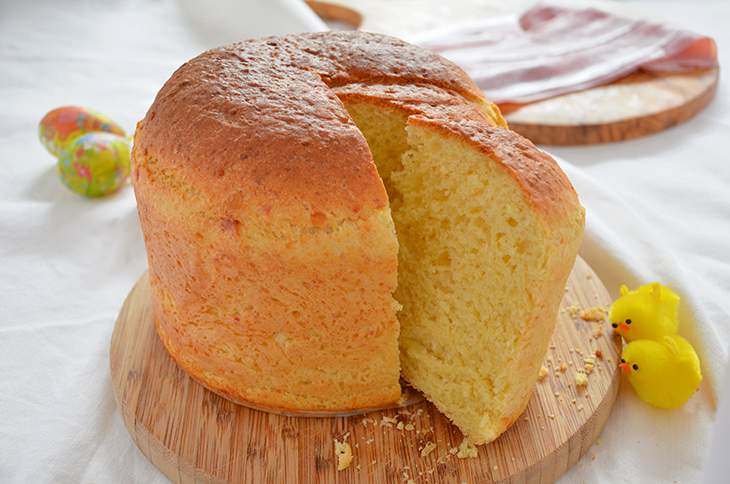 Do not forget the typical Christmas bread with walnuts, cooked in a wood oven and obtained from the traditional bread dough with the addition, given the special festive occasion, of dried figs, raisins, walnuts and pepper; In the area of Apiro and Cingoli you can find the “cavallucci”, small cakes filled with figs and chocolate. Also throughout the region are the “maritozzi” a dough of sweet bread with raisins and aniseed with a layer of glaze, the “sweet peaches” or two halves of shortcrust pastry, soaked in the Alchermes liqueur and filled with chocolate,
Marche cuisine
List of Marche wines
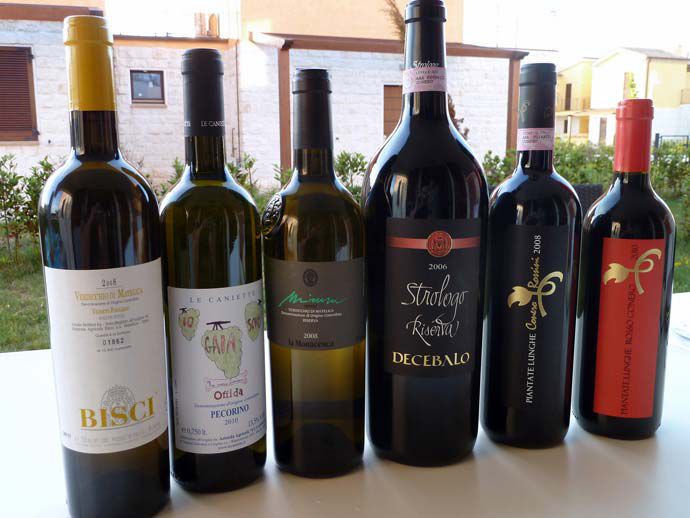
Wine with Denomination of controlled and guaranteed origin (DOCG) Conero produced in the province of Ancona Offida (white and red) produced in the province of Ascoli Piceno Verdicchio dei Castelli di Jesi riserva produced in the province of Ancona and Macerata Verdicchio di Matelica riserva (white), produced in the municipalities close to that of Matelica in the provinces of Ancona and Macerata passito Verdicchio of Matelica, passito Verdicchio di Matelica, sparkling wine Vernaccia di Serrapetrona, produced in the province of Macerata Vernaccia di Serrapetrona, sparkling wine
Marche cuisine
List of Marche wines
Wines with Controlled Designation of Origin (DOC) Bianchello del Metauro produced in the province of Pesaro-Urbino Colli Maceratesi produced in the province of Macerata white Colli Maceratesi Colli Pesaresi produced in the province of Pesaro. Accompanied or not by sub-areas: Focara (for types: red, Pinot noir), Monte San Bartolo Natural Park for types: Sangiovese, Cabernet sauvignon), Roncaglia (for typologies: white, Pinot noir). Permitted: use of the Vigna mention Colli Pesaresi white Red Colli Pesaresi Focara Colli Pesaresi Roncaglia white Colli Pesaresi red Esino produced in the provinces of Ancona and Macerata Esino White Sparkling Esino Esino red Falerio dei Colli Ascolani produced in the province of Ascoli Piceno The lands of Sanseverino produced in the province of Macerata Lacrima di Morro or Lacrima di Morro d’Alba produced in the province of Ancona Offida produced in the province of Ascoli Piceno and Fermo Rosso Conero produced in the province of Ancona Pergola produced in the municipality of Pergola and in some neighboring areas Rosso Piceno produced in the provinces of Ancona, Ascoli Piceno and Macerata San Ginesio Verdicchio dei Castelli di Jesi accompanied or not from the sub-zone: classic, allowed: the use of additional geographical indications; produced in the provinces of Ancona and Macerata Verdicchio of the Castelli di Jesi classic Verdicchio dei Castelli di Jesi superior classic passito Verdicchio dei Castelli di Jesi Verdicchio dei Castelli di Jesi sparkling wine Verdicchio di Matelica produced in the provinces of Ancona and Macerata 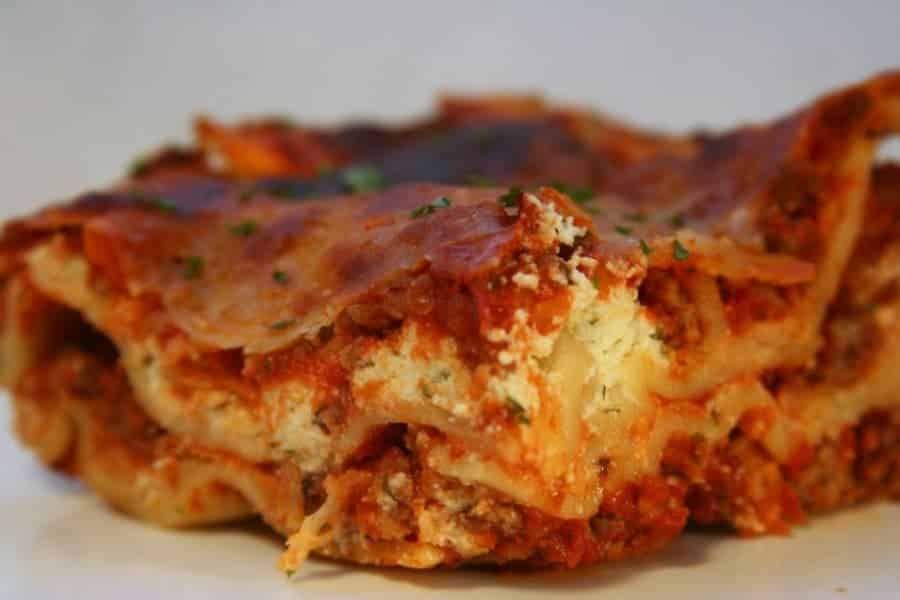
Bologna Cooking Class is the cooking experience N°1 in Bologna (TripAdvisor) with about 700 5 stars reviews
and also won the TriAdvisor award TOP 10% EXPERIENCE WORLDWIDE on TripAdvisor
and +400 5 stars reviews on Google maps
I am sure you will like it and I wait for you in one of my classes, Visit this page if you are interested in the Short class click here Short class Visit this page if you are interested in a longer class with market tour click here long class with market tour
See you soon with a new article.
Chef Luigi
The Best Cooking Classes in Bologna: A Review of Our Experience
Italy
Finding out that the charming city of Bologna is known as the culinary capital of Italy was music to my ears. We had already decided that we would be staying in this beautiful place for one whole week so when we came across this fact, that pretty much set our plans for our time there: our new aim was to partake in as many food-related activities as possible! One of the best insights you can have into a culture is learning how to make traditional dishes and when it comes to Italy, you can’t get more traditional than the way they cook. This led us to kick off our week with an Italian cooking class and it was by far one of the best experiences that I’ve ever had.
Bologna Cooking Class with Luigi
Turns out, cooking classes were BIG in Bologna (no surprise really as the culinary master of the country), but with so many options it was quite overwhelming. That was until I took a look at the classes on Tripadvisor Adventure in You has worked in multiple destinations and have nothing but good reviews for their classes so I didn’t need much convincing. With an extremely easy to Booking, it wasn’t long before I had narrowed down our choices based on what we were interested in and what would work with our schedule. It was a difficult choice (mainly because we wanted to do everything and eat everything), but we finally decided to go with the extremely popular One-day Class in the Center of Bologna with a Market Tour. Not only would this class teach us how to make the iconic tagliatelle and tortelloni pasta that Italy are so famous for, but with the market tour, we thought that it would also give us a great introduction to the foodie city of Bologna.
Bologna Cooking Class with a Market Tour
On our first day in Bologna, we wandered the quaint narrow streets of the city taking in as much of the culture as we could before heading to our meeting point at 3:30 PM. It was here at the Center near the statue of Ugo Bassi, that we met our local host Luigi and a couple that was joining us on the tour and cooking class. Straight away, I felt completely at ease with Luigi. Not only was his enthusiasm and friendliness palpable, but I also got a sense that this is what he lived for, to share his passion for food with others. I was already extremely excited and he began the tour with a quick brief on where we would be going and what delights we would be cooking (and eating!). 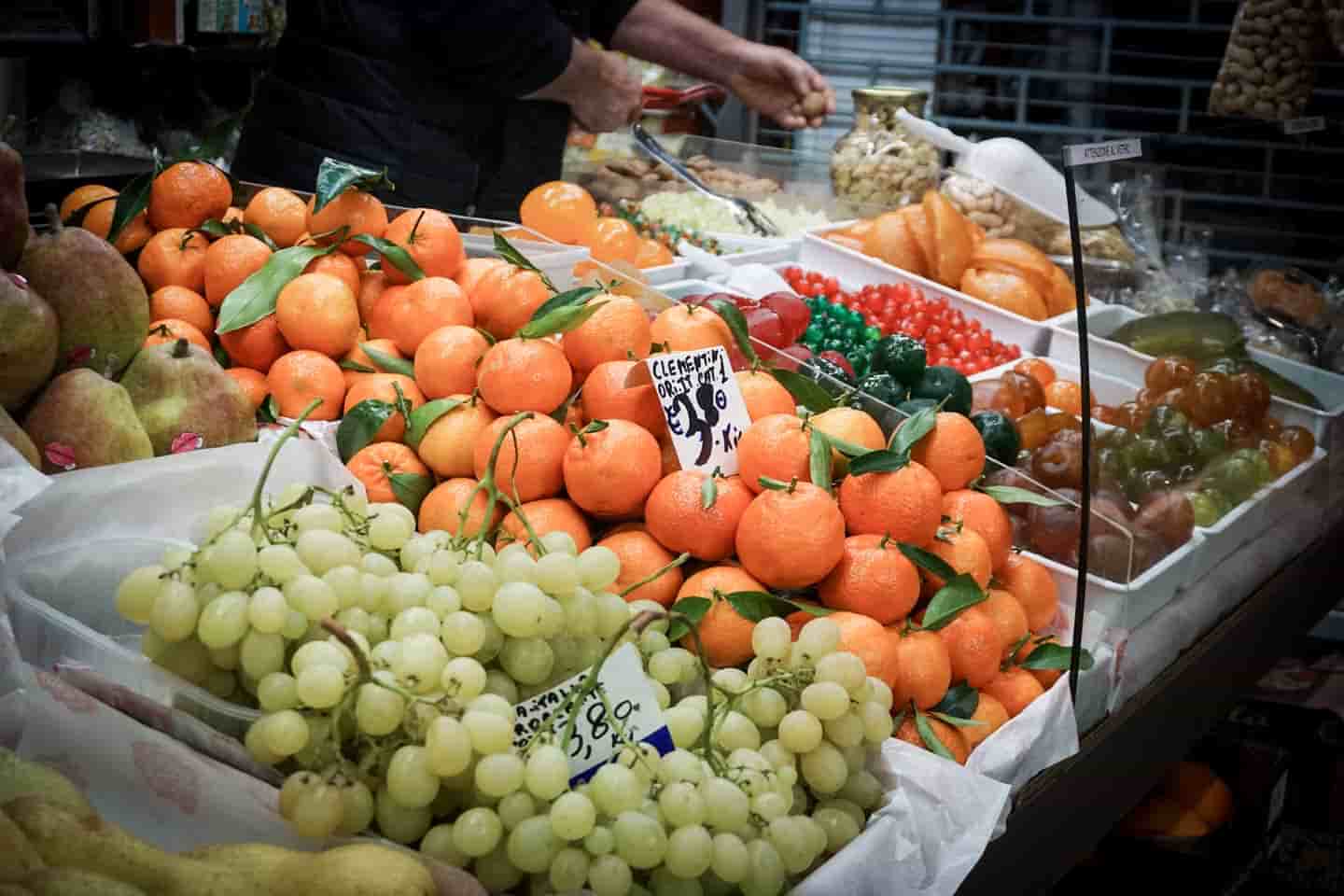
The Market Tour
What better way to start off an Italian food experience than with the buzz from an espresso? First up was a double espresso from Filicori Zecchini, an Italian café franchise synonymous with high-quality coffee, Bolognese history, and family since 1919. Although I’m not a coffee drinker, it was great to experience life like an Italian in the afternoon and with a few teaspoons of sugar, the coffee even tasted good too. Situated in a sweet indoor area with a few local cafés and communal seating areas in the middle, we sat for a few minutes and got to know each other. Now that we had our kick start to the tour, Luigi took us on a brief walking tour of the city past the Mercato di Mezzo (Market in the Middle) towards Mercato delle Erbe (Market of the Herbs). This was where we would be buying some of the ingredients for our cooking class.
The Market Tour
I can safely say that this was by far my favorite part of the tour and not just because we ended up with gelato at the end of it! Walking through Mercato delle Erbe, we were surrounded by a kaleidoscope of colors, the smells of fresh fruits and vegetables, and the sound of locals laughing and teasing each other. Immediately, you knew that this was purely a local’s spot and Luigi confirmed that for me by knowing each person on each stall personally. We visited two stalls in the market, one that Luigi recommended for buying balsamic vinegar and sun-dried tomatoes and another for the fresh fruit and vegetables. 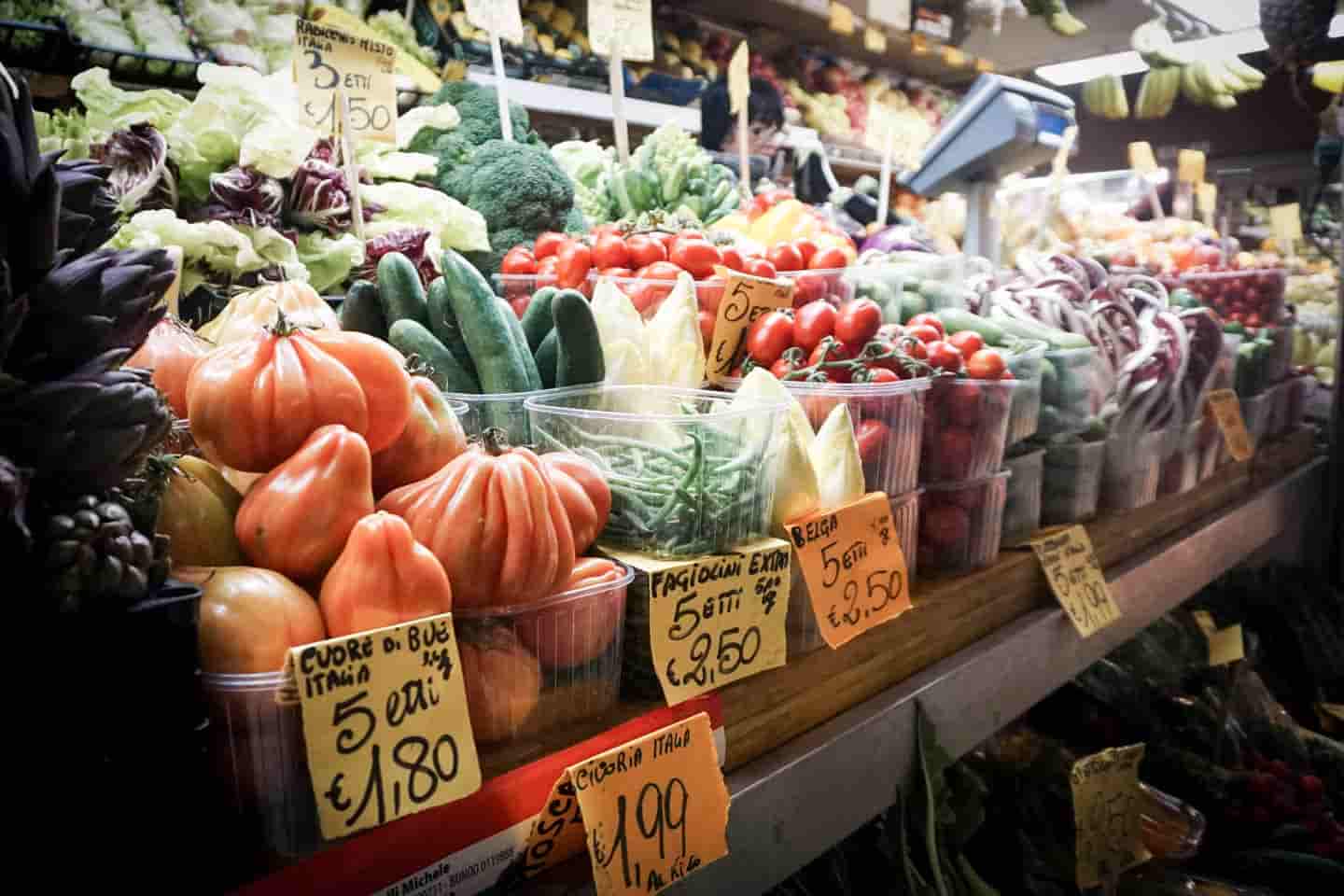 While in this market, we learned so much about these local ingredients, especially balsamic vinegar and why their age is proudly presented on the bottles, and we also learned a lot about the culture. On the second stall, was a lovely woman who Luigi claimed was the ‘love of his life.’ Obviously, we didn’t understand the whole interaction as it was in Italian and unfortunately, I don’t speak it, but you could tell that it was all in good humor.
The Market Tour
Luigi did tell us snippets of the conversation, however, as he was professing his love and she was having none of it, and we also found out that the locals have lunch together every day and help each other out if they are looking for something particular for cooking or for a customer. This, for me, was the best insight you could get into Italian culture and how food is often at the center of it. As well as the market tour being highly entertaining, we did buy our herbs here for the dinner and we ended it with a quick visit to a place that sells the best gelato in the whole of Bologna! At this point, I didn’t know any better, but after trying a lot of gelato places throughout my week here, I can confirm that this place is definitely a contender for first place. Walking through some of the most picturesque areas in Bologna, Luigi gave us a full rundown of the city’s main sites and rattled off some interesting facts about the life here and how it has evolved over time. With that in mind, we then stopped off at a local Salumeria to buy the meats and Parmigiano for our class 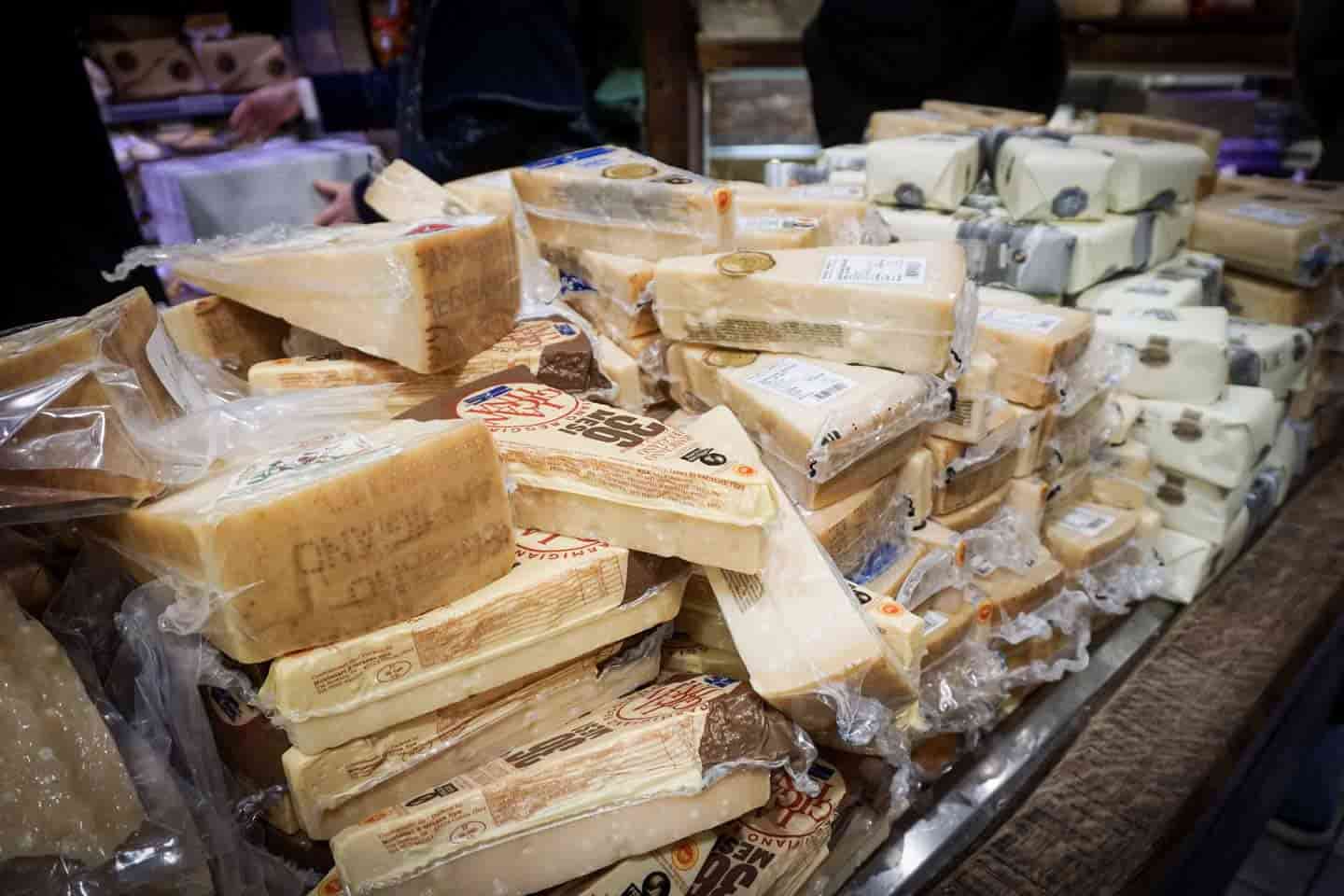 Here, we learned about the different ages of the Parmigiano cheese, how the cheese that has been aged longer is better to eat alone while the younger cheese is used to sprinkle on top of a finished dish. Again, we also got a unique insight into how Italians buy their ingredients from local, specialist places and just how well everybody knows each other.
The Market Tour
Our last stop before the cooking began was at the oldest bar in Bologna, Osteria del Sole. Here, where they sold only alcohol and no food which was typical of all osterias back in the day, we wet our whistle with the local wine. It was sitting here enjoying the crisp sparkling white wine with a few other locals that I realized how much I loved this relaxed way of living.
Every occasion seemed to involve food and/or coffee or wine
where people actually sat and talked and enjoyed
each others company without feeling the need to rush anywhere else.
This simple social interaction is missing in a lot of other countries and I drank in the feeling that we were just a group of friends hanging out. We talked and laughed and we didn’t rush, but when the bottle of wine came to an end, we set off towards Luigi’s home for the real fun to begin. 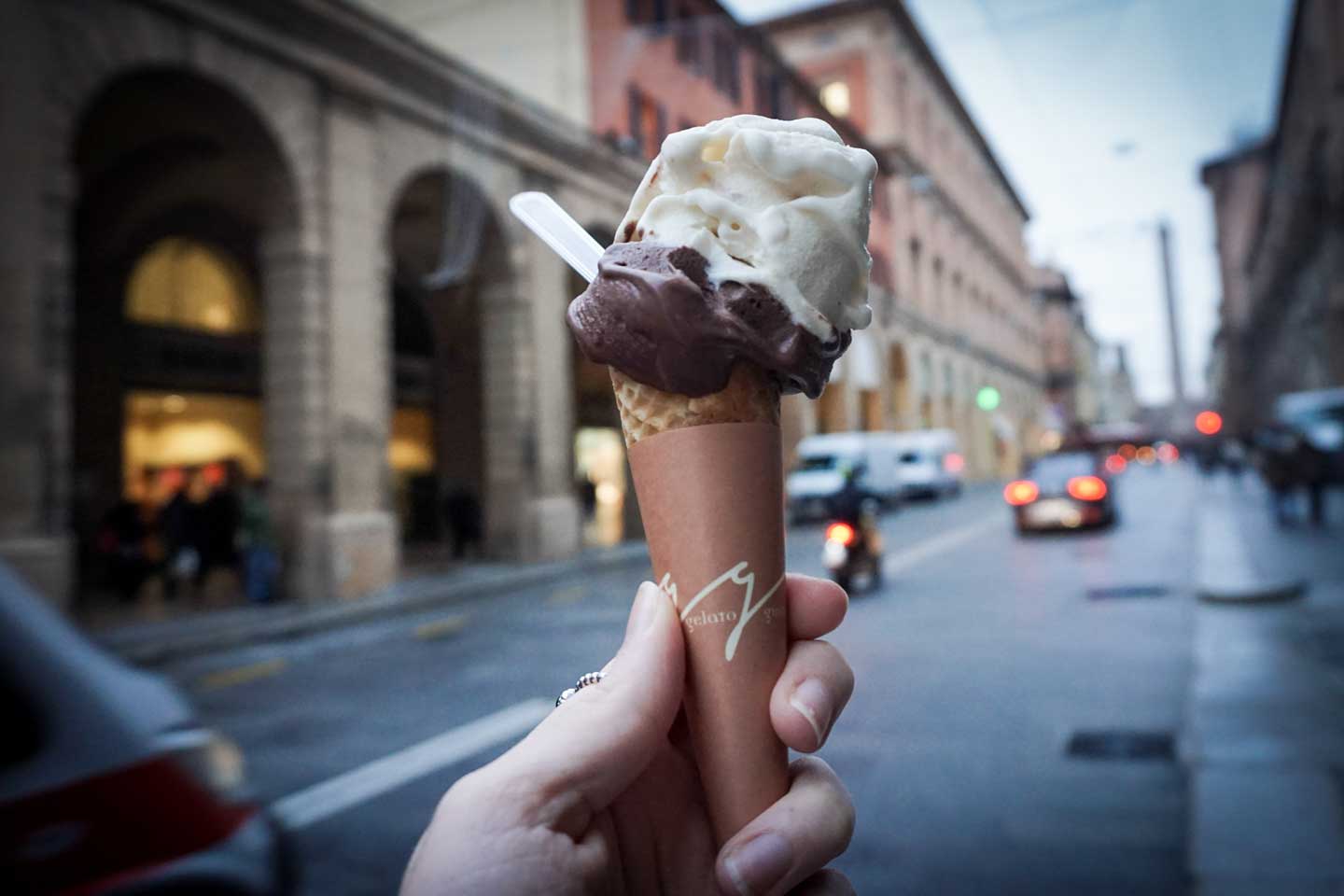
The Cooking Class
Stepping into Luigi’s humble abode, my initial impression was how homely it felt. A rectangular flat that stretched out in front of us, we could see into the kitchen where chefs hats and aprons were laid out ready for us and I was immediately filled with a rush of excitement. As the menu was all agreed beforehand, Luigi reminded us of what we would be making and explained that there were two elements to Italian cooking: one, they use the freshest local ingredients and two, they use the simplest of cooking methods. Now, from taking this class with him and the beauty of hindsight, I can say with confidence that their methods aren’t easy. Yes, they are simple in the sense that they are steeped in tradition and they still use the same 4 or 5 ingredients to make most pasta dishes from scratch, but I can safely say that their methods take a lot of skill and practice to master the art of Italian cooking
Our Menu:
- Appetizer: cold cuts and piadina (flatbread)
- First course: tagliatelle al ragù bolognese and tortelloni
- Second course: beef slices with rocket salad
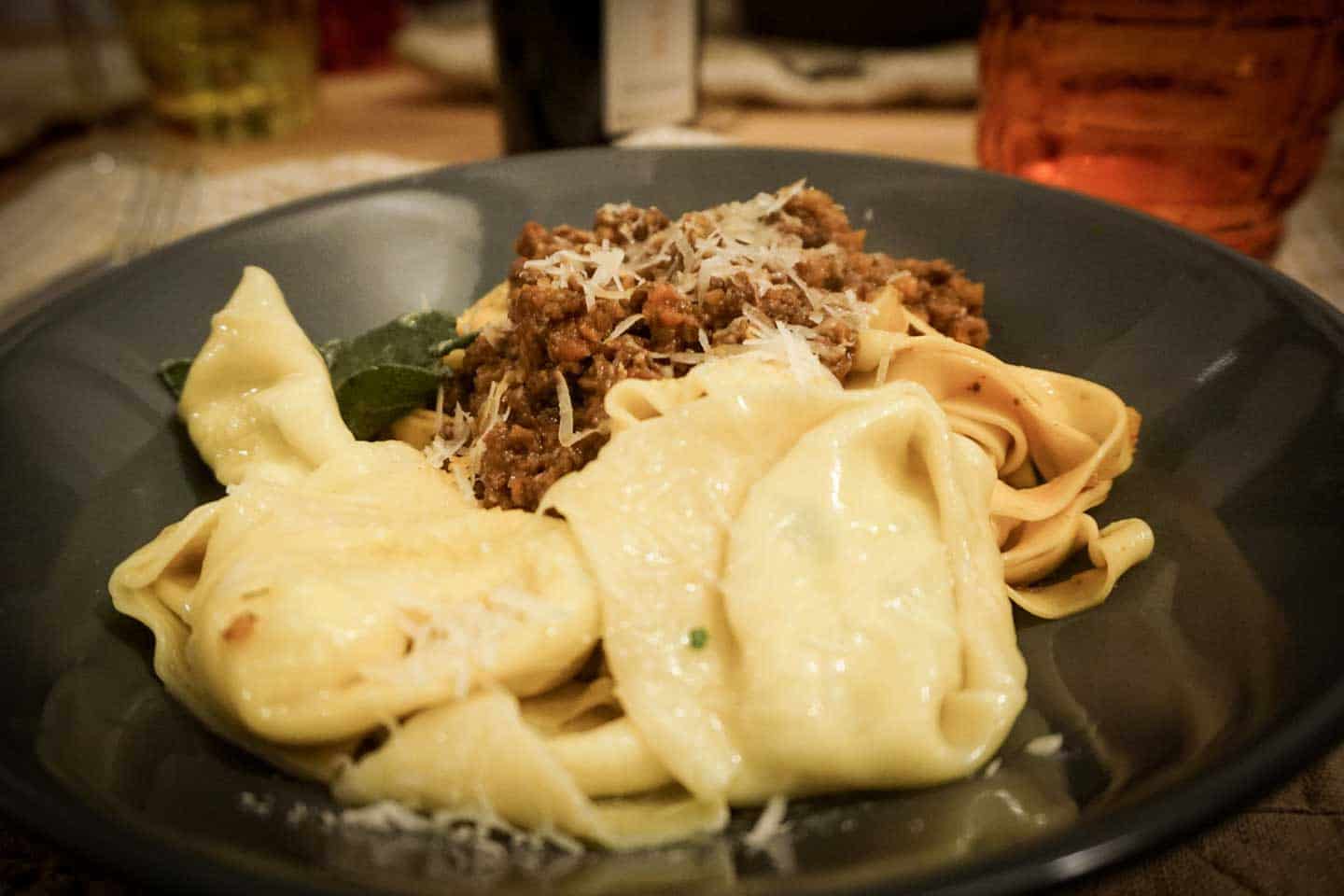 When confirming the cooking class, we could decide between a range of combinations such as Appetizer-First Course-Dessert or First Course-Second Course-Dessert etc, but we went for the menu above. If you want to go for one of the options that have a dessert, it will most likely be creamy Tiramisu.
The Cooking Class
So, the four of us were standing in Luigi’s flat, hands washed with our hats and aprons on and we were all ready to go. Let’s just say that Luigi really did put us to work! Although there was four of us, we all got to be very hands-on and have our turn at being the protagonist of the lesson which I loved, and first up was preparing the ragu. As this incredibly delicious meat sauce had to be cooked for a minimum of 3 hours, we all worked together to combine all of the ingredients and had it boiling away in no time. Next, was the pasta. For the next hour, the four of us stood in our little cooking area kneading away at the dough until it was at the exact consistency that it was meant to be. This took up a lot more time and elbow grease than you would think so by the time it was ready to be wrapped and left to sit for a while, there were no complaints. 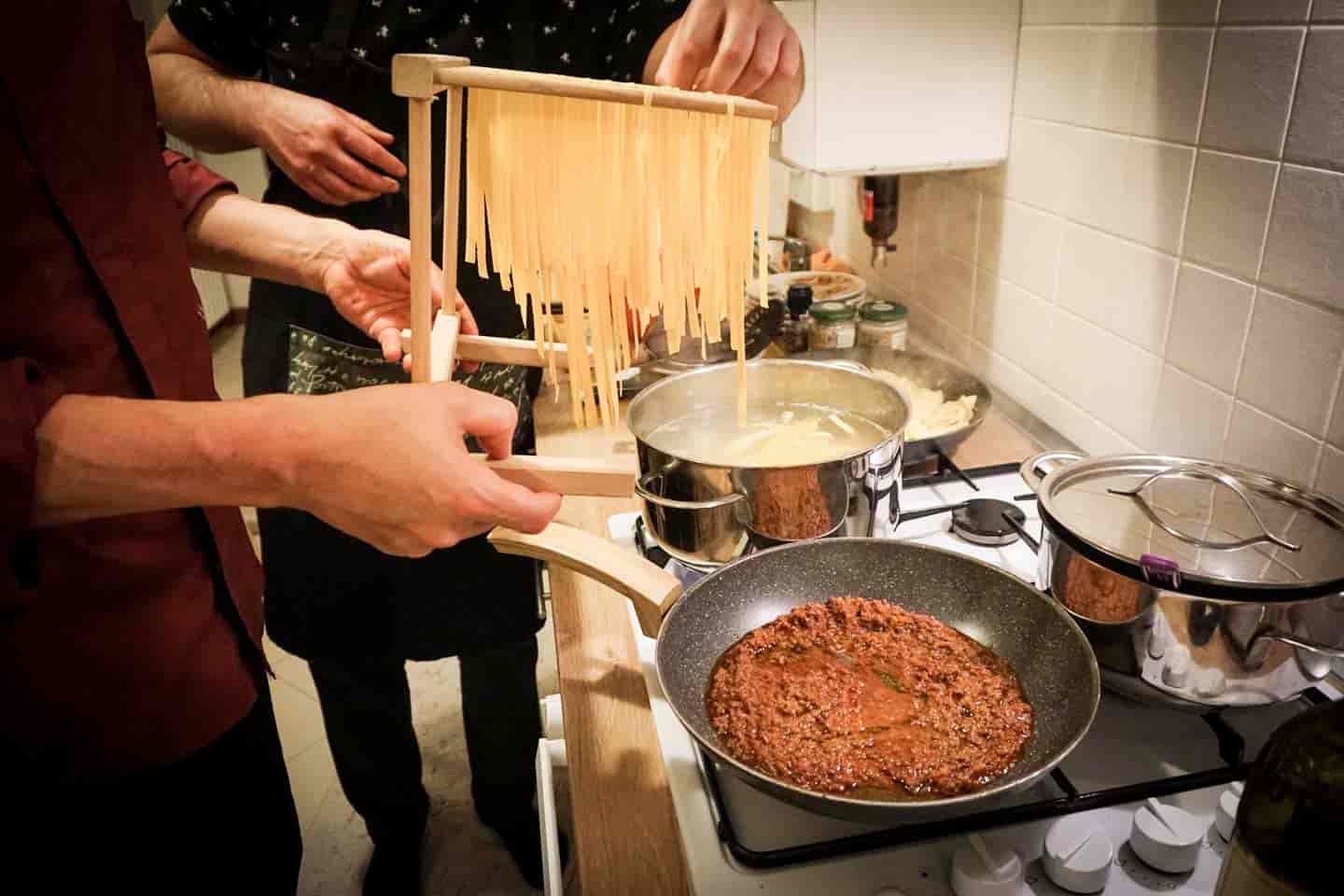 While we waited for the dough, we quickly made the filling for the tortelloni which was a heavenly mixture of ricotta, Parmesan cheese, nutmeg, and chopped parsley. We even made up another dough ready for a delicious flatbread!
The Cooking Class
Once the velvety dough was ready to be used again, we took in turns to pass our dough through the pasta machine not once, not twice, but six to seven times! It was fascinating seeing this sheet of pasta get longer and longer and thinner to the point where you could see through it. It got to the point where two of us had to handle it together so that one person could guide it across the table as it stretched even longer. Once our respective doughs were giant sheets, the dough was either passed through the pasta machine again to cut it into the tagliatelle strips or we manually cut it into squares, grabbed some filling and Luigi showed us the art of folding a tortelloni. 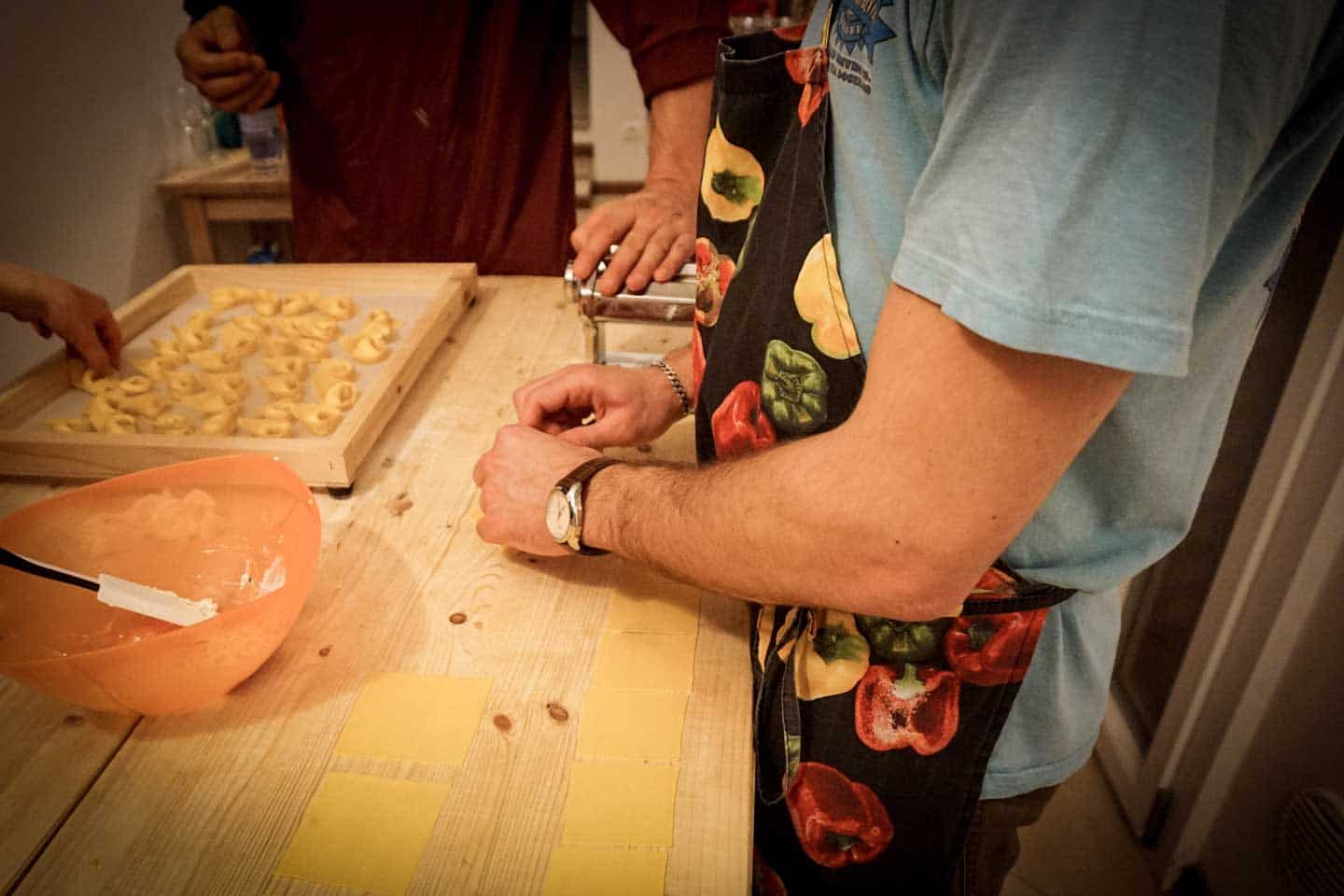 Long story short, we all spent a lot of time genuinely trying our hardest but none of us were able to fold a tortelloni as fast and as perfect as Luigi did. It was truly an art form using just your index fingers and thumbs and no matter how delicate I tried to be, mine came out looking quite peculiar or so small and deformed that you felt quite sorry for it.
The Cooking Class
After all of the chopping and kneading and mixing and folding was done, the rest of our time was made up of cooking and eating (my favorite!). By this time, when we were adding the pasta into the boiling water, the air was filled with rich aromas from the ragu and I was officially starving. It didn’t take long at all to cook the pasta and the ragu had been simmering along nicely in the background for the last three hours, so now was the time to sit down with a glass of wine and dinner was served! No more did we have to get teased by the flavors and smells, we could finally sit down and eat and what a feast it was. We all chatted excitedly as we anticipated the food but once we started to eat, it quickly became silent except for the occasional ‘mmm’ around the table. That’s when you know you’ve made good food. 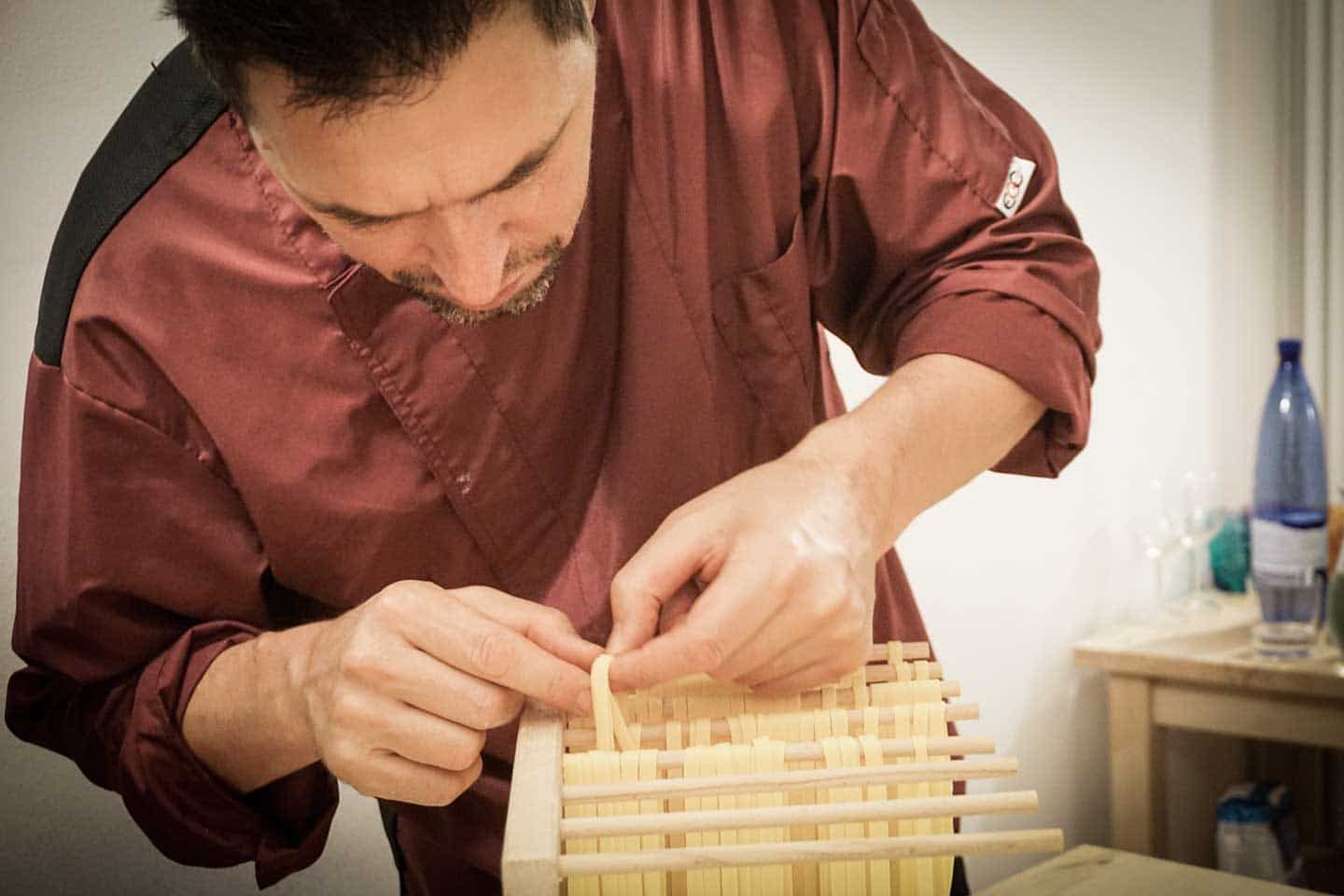
Overall thoughts on our Bologna Cooking Class and Market Tour
Sitting around the table sharing food family-style, drinking wine and laughing together, I realized that what I loved most about this experience was the intimacy. Any more than 4 people and I think that it would have been too much, but this size group was just right. Luigi was also a big reason if not the main reason why we all had such a great time as well. His passion and enthusiasm for food were infectious and he filled the whole evening with tales about Bolognese history and food and, of course, Italian cuisine. He was the type of person that you could sit and talk with for hours but alas, we had to go home at some point.
Overall thoughts on our Bologna Cooking Class and Market Tour
Ultimately, we were ecstatic with our cooking class of choice through Luigi’s website and it truly made our trip to Bologna. When leaving Luigi’s, we left with a promise from him that he would send us the recipes for the delicious food that we had made and we left with a promise that we’d send him pictures of our attempts. He made it quite clear that he would be very honest if they looked rubbish but I am pleased to say that each re-creation has been amazing so far! After eating so much that we could barely walk back to our apartment, I have had dreams of that slow-cooked meat masterpiece ever since. I continue to marvel at how such a small amount of ingredients can make such a mouthwatering dish, but when it comes to buying fresh local ingredients from the local market and cooking with a professional chef, turns out you can’t go far wrong. If you want to book this particular class, click the buttons below to see details, read reviews, and more.
Bologna Cooking Class is the cooking experience N°1 in Bologna (TripAdvisor) with about 700 5 stars reviews
and also won the TriAdvisor award TOP 10% EXPERIENCE WORLDWIDE on TripAdvisor
and +400 5 stars reviews on Google maps
I am sure you will like it and I wait for you in one of my classes,
Visit this page if you are interested in the Short class click here Short class
Visit this page if you are interested in a longer class with market tour click here long class with market tour
See you soon with a new article.
Chef Luigi
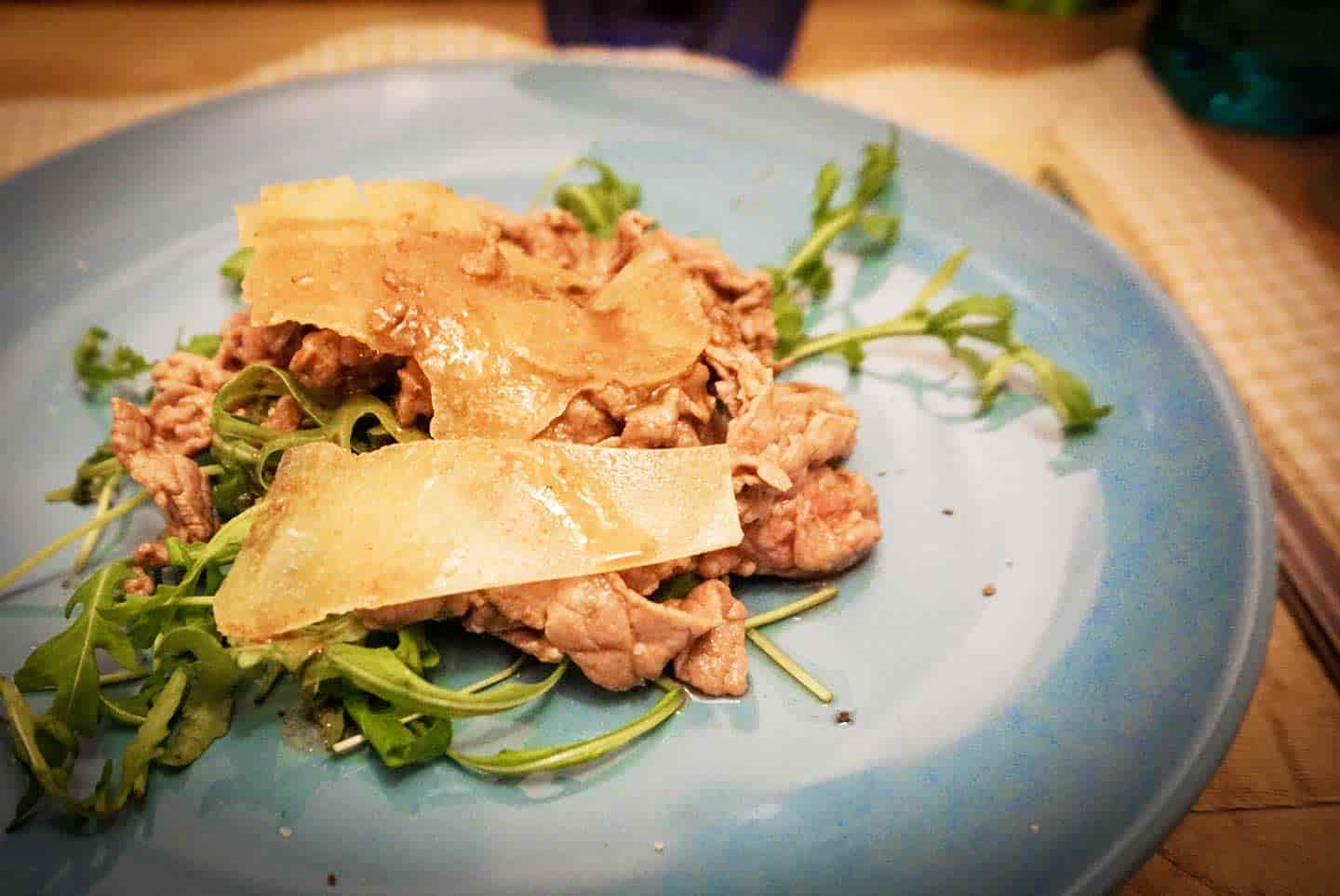
Tuscan cuisine
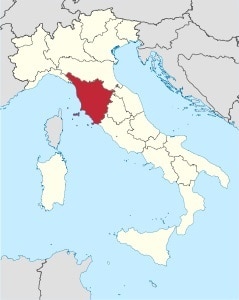 The Tuscan cuisine consists mainly of traditional dishes and sweets that have kept their preparation unchanged for many years. Bread without salt is a custom that few other regions have adopted (like Umbria). It seems that the custom dates back to the twelfth century when, at the height of the rivalry between Pisa and Florence, the Pisans put in practice high prices to the precious sodium chloride. There is also a hypothesis that says that the same lords of Florence were to impose particularly high taxes on the use of salt.
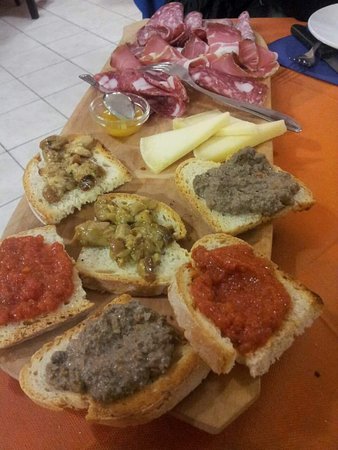
 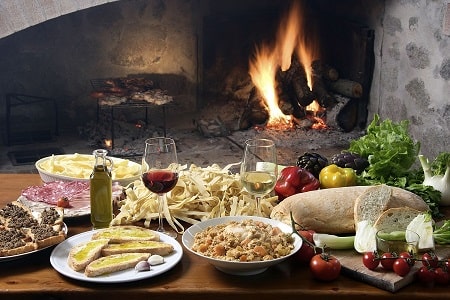 In Tuscany, the sacredness of bread, or the importance of not throwing it away but of using it even when it is stale, is evidenced by a long series of ancient recipes that are still widespread: Panzanella, Panata, Ribollita, Acquacotta, the Pappa al Pomodoro, the Fettunta, the vegetable soup, the Farinata, the Cabbage soup or the Pan co ‘santi. Another characteristic of Tuscan cooking is the use of white meats and game. The products of the farm hive, where free-range chickens, turkeys, geese, guinea fowl and pigeons graze together with rabbits and game like hare and wild boar, pheasant and porcupine have always been the menu of big parties during the Middle Ages . The pork is also very used, just think of the famous Tuscan salami, finocchiona, ham preserved in salt, lardo di Colonnata sausages and special products such as the buristo also the result of the ingenuity of the poor people.
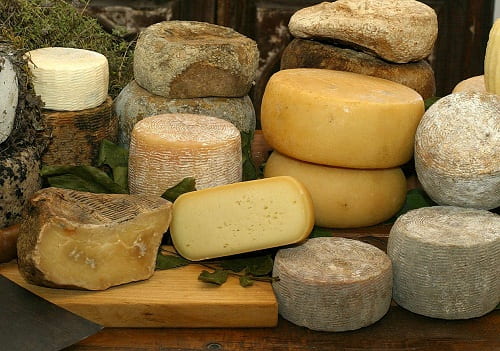
 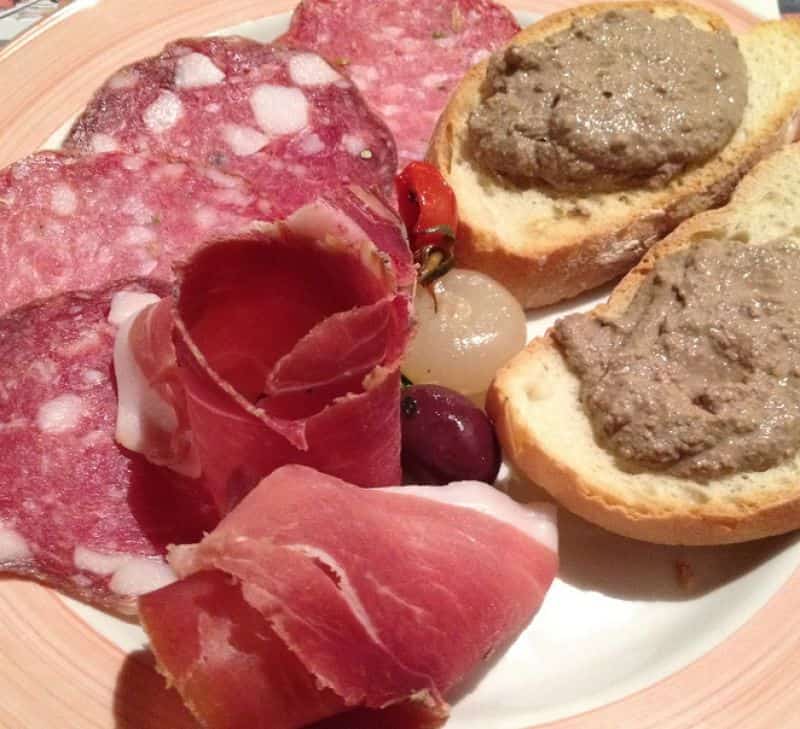 Among the cheeses, the tradition focuses on Tuscan Pecorino, as a product to be conserved: the most famous ones are Pienza and Maremma; while we find Ricotta and Raveggiolo among soft cheeses.
  Finally, great space for desserts, where the Panforte, the Ricciarelli, the Cavallucci, the soup of the Duke, the cake of Cecco, the Migliacci, the Cantuccini of Prato.
Tuscan cuisine
Tuscan cuisine during the time
 The Tuscan cuisine is characterized by the evident lack of homogeneity and by the radical divergence of recipes and culinary traditions, especially with respect to the territory of belonging and family tradition, so that some families paradoxically know more non-Tuscan dishes, which dishes of different provinces: in the center -sud of Tuscany, for example, few know the “Farinata di cavolo nero” typical of the north-east and of the coast, where it is called “Bordatino”; at the same time, although many Florentines traditionally go on holiday in the areas of Viareggio and the island of Elba, they often ignore the existence of dishes such as Cacciucco at Viareggina or Gurguglione
  Tuscan cuisine presents a radical dichotomy between traditional folk dishes and dishes of courtly creation: while the former have remained, though varying over time, the latter, those of the courtly tradition, have mostly disappeared or find very weak space in the current Toscany cuisine ; between these two traditions, only in the last centuries has the cuisine of the middle class found space, which is distinguished by the use of poultry meat or game. Direct consequences of this are the undisputed “Tuscanity” attributed to poor dishes (often consisting of only vegetables) from Tuscany (such as Ribollita) or even central Italy (such as Panzanella), as well as the systematic use of wet old bread as a surrogate for meat; the disappearance of noble dishes such as Cibreo or Ginestrata (a sort of egg yolk soup mixed with sugar, whipped egg whites, dried Vin Santo, cinnamon, nutmeg and chicken broth, considered tonic, aphrodisiac and constituent) and the spreading out of the local area of origin of dishes such as Paté di Fegatini (an invention by Caterina de Medici);
  finally, the increasingly important employment in rural or rural areas of white meat, typical of a well-to-do middle class, without a specific baggage of recipes, present in other regions (Ligurian rabbit, Abbacchio, Pajata …) opposed to the systematic and isolated employment meat in the city areas, where the middle class had long been developed (examples are the Florentine tripe or Lampredotto sold almost exclusively in Florence street)
Tuscan cuisine
Tuscan cuisine on the Tuscany provinces
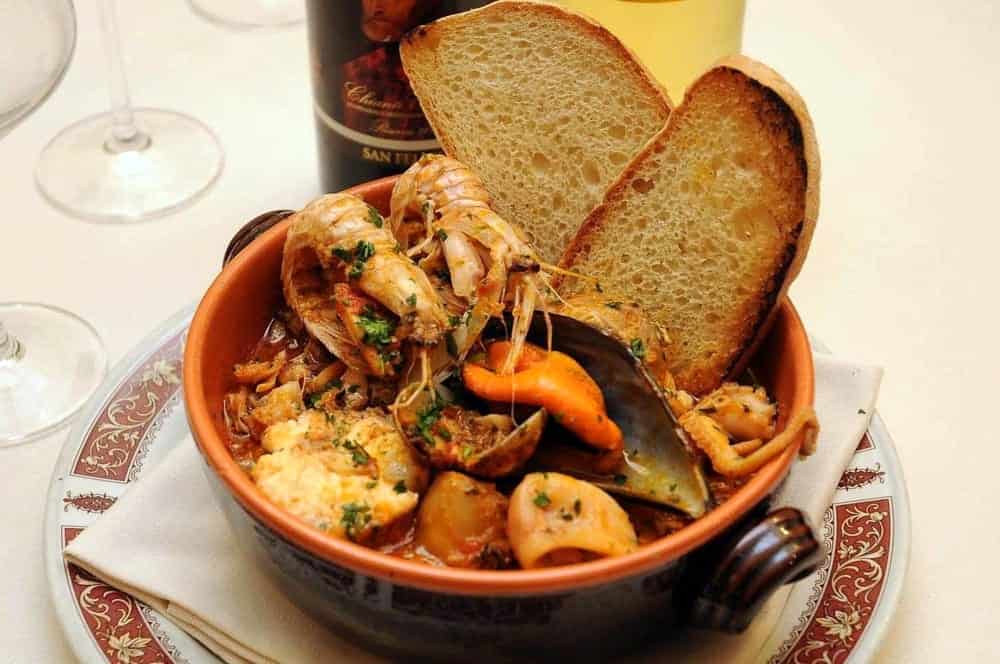
As already mentioned, the Tuscan cuisine differs considerably from the coast to the inland; in fact, dishes such as Caldaro or Cacciucco are only sporadically cooked in the inland; while the game is used in the rural areas of the province of Siena, the upper Val d’Arno , nell’Aretino, and secondly in Garfagnana and Lunigiana; the exceptional growth of the wild boar population has allowed all of its preparations to be used almost everywhere. 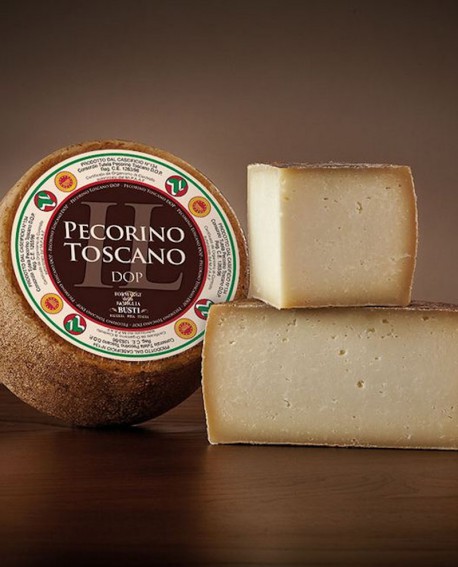 Freshwater fish are in the same paradoxical situation as poultry: present in the last centuries in the tables of the poorest and least developed areas, they do not have their own culinary tradition: the Valdelsa has, for example, an in-depth fishing tradition of river, but not an equally thorough cuisine, and the area of Lake Chiusi is famous for Brustico
  Consumed by the poorest of the population, especially Jews, they owe to them the almost omnipresent method of cooking “alla mosaica” (stewed in tomato sauce with garlic, today we tend to call them in the style of Livornese or Pizzaiola with the addition of capers and oregano, not to confuse them with another Hebrew recipe, which includes pine nuts and raisins an Aretine variant is made up of the Giovese eels (ie dipped in a tomato sauce over a sauté of aromatic herbs, a typical recipe by Giovi)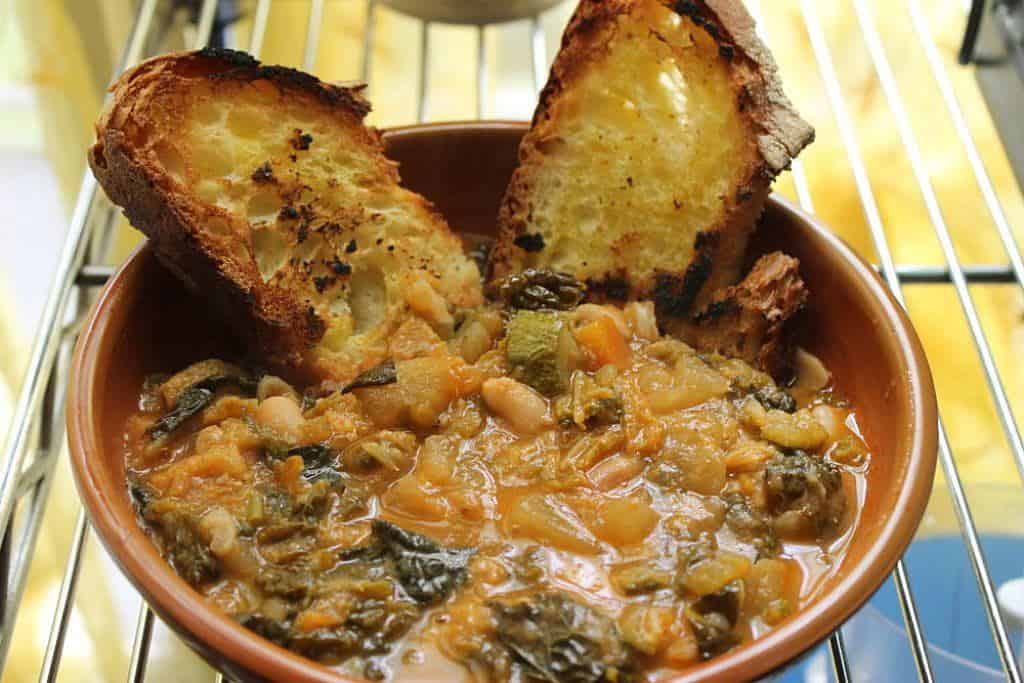
Meat in Tuscan cuisine
Pork
The families of the middle and lower classes, even if they live in the city, towards the end of November and early December went to farmers, acquaintances or relatives to cross the pig according to tradition. The pig, a gelding from 180 to 220 kilos, is slaughtered to have a supply of food for the whole winter and part of the spring. This is because in Tuscany, as in many other parts of the country, the meats selected and treated with salt, pepper and other spices are kept hanging on a hook in fresh and dry environments. 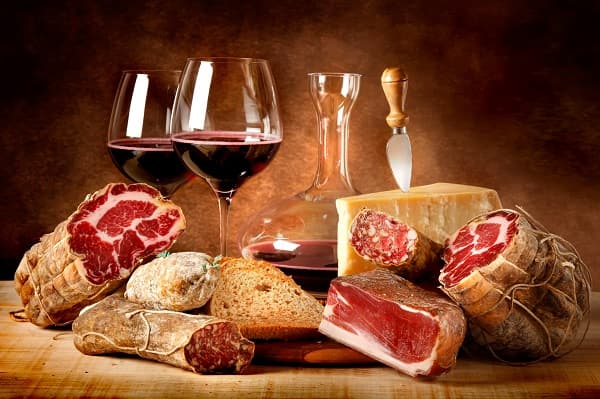 In this way they are seasoned: Tuscan ham Tuscan salami Salciccia from Serbian Pancetta, the pancetta spread is also called Alano and Rigatino Capocollo Finocchiona
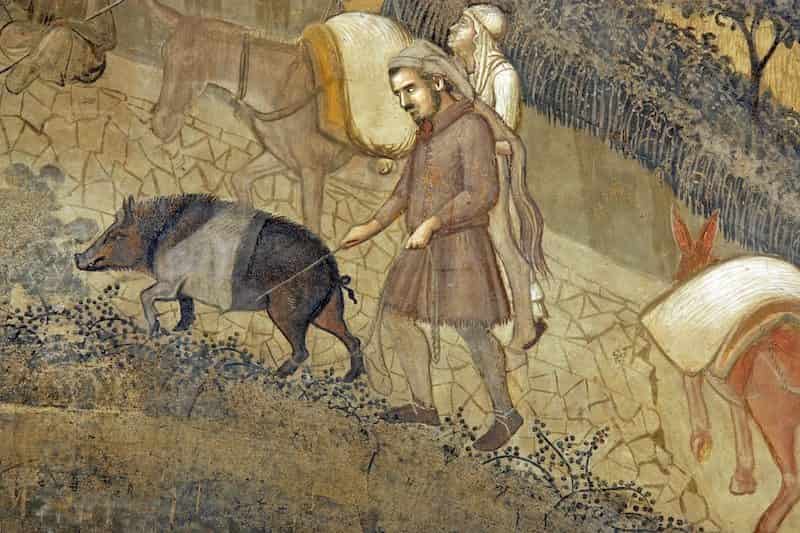
 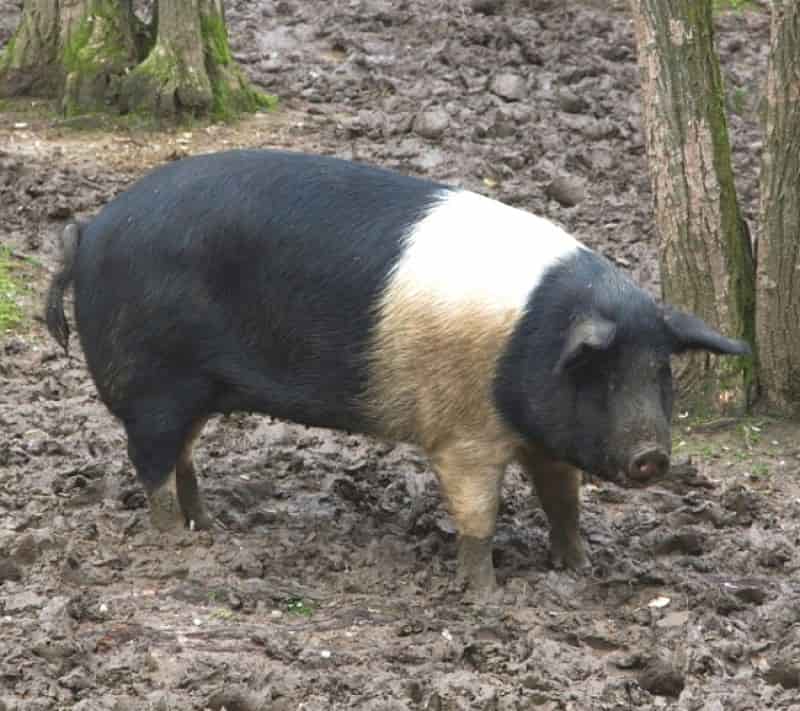 As a costume we try to use the maximum without throwing away anything of the pig, for example, the guts were turned over and cleaned to put sausages, today they are used for sausages films for food as we commonly find on the market Gastronomic excellence is considered the meat obtained from Cinta Senese pigs. It is a pig breed bred in the wild and semi-wild on most of the territory of the province of Siena, in the southern part of the province of Florence and in the northern part of the province of Grosseto. The breed is recognizable by the characteristic band around the neck that distinguishes the animals, differentiating themselves clearly from the remaining color
Tuscan cuisine
The beef
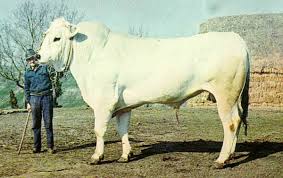
Chianina and Maremmana cows
The Chianina cow and the Maremmana cow are types of beef obtained from the respective animals that are bred in the wild or semi-wild, respectively in the Val di Chiana, Valtiberina, Casentino and in the Maremma. 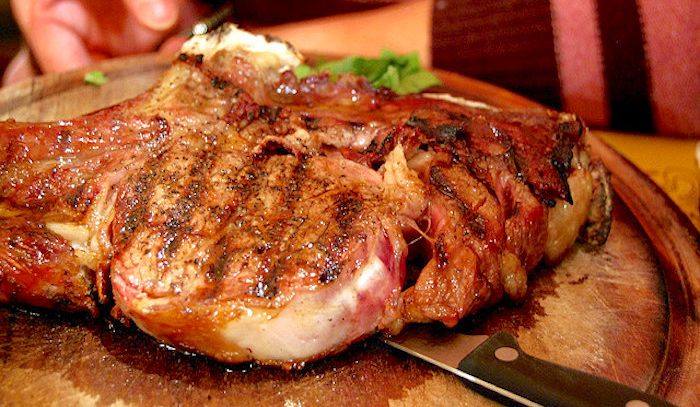 Both are considered of excellent quality, although with different characteristics due to the different territories in which they graze, they lend themselves well to the Florentine steak, where however is perceived the greater natural flavor of Maremma meat compared to Chianina: for this reason, while Chianina is favorite for the classic steak, the Maremmana is mostly used in the preparation of stews and braised.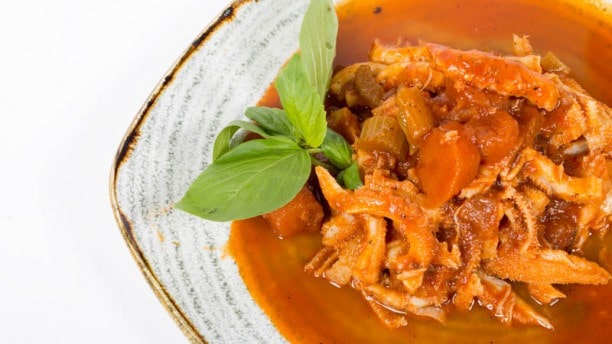
Tripe and Lampredotto
A recipe, Florentine tripe, sees the use of entrails of adult bovine in the preparation of one of the most famous second courses typical of Florence. Tripe is also used in the preparation of other recipes that differ locally. Equally known is the Lampredotto specialty. 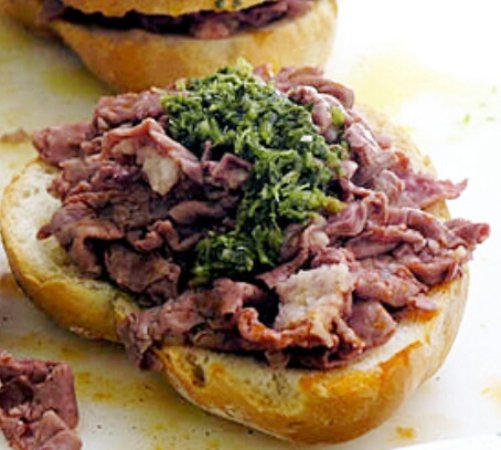
The game
The game is very popular in Tuscan cuisine: almost always present in taverns and traditional restaurants of the inland, it is omnipresent in the Arezzo area and in eastern Grosseto because of the high presence of wild boar. In familiar contexts it is reserved for important occasions, usually procured by relatives hunters; and is used in the preparation of first courses (pappardelle with wild boar, or mixed game ragout) 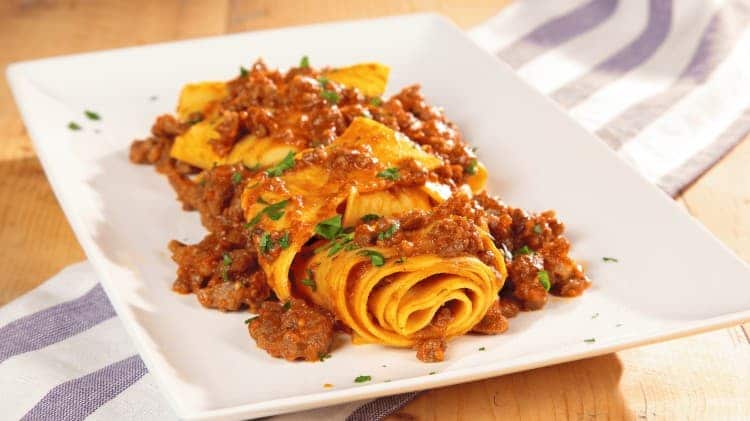 Or main dishes (wild boar and stewed hare, in the oven or in the pan) and unique dishes (stew, usually “alla cacciatora”: stewed with tomato and chilli). Typical restaurant dishes are steaks of wild boar, and wild boar in sweet (with dark chocolate) in addition to the related meats; pheasant (which is now more bred than hunted) usually roasted; the various ragouts of hare, fallow deer, and roe deer. The pigeon or the dove are more and more rarely consumed, and so is the porcupine.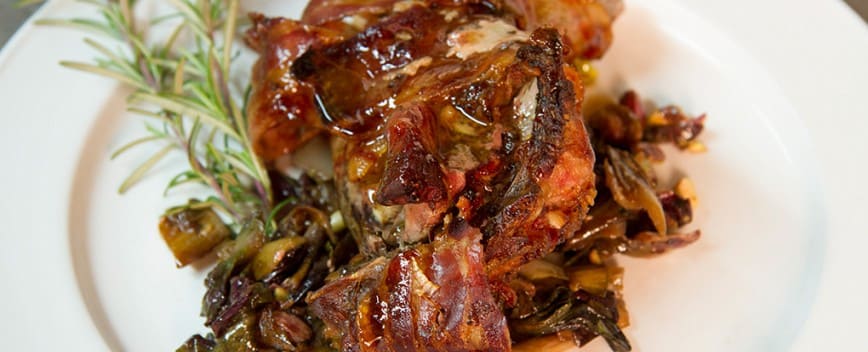
Tuscan cuisine
Wines of Tuscany
Denomination of Controlled and Guaranteed Origin (DOCG)
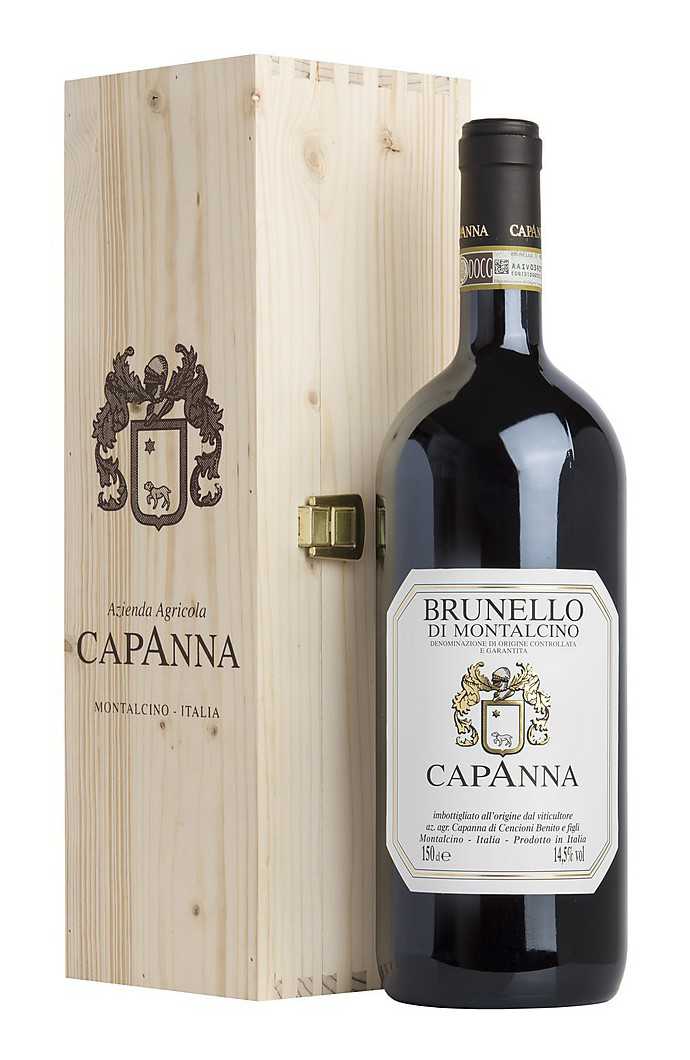 Brunello di Montalcino (Red in the normal and Riserva types) produced in the province of Siena Carmignano (Red in the normal and Riserva types) produced in the province of Prato and Florence. Chianti (Red in the normal types and reserve produced in the provinces of Arezzo, Florence, Pisa, Pistoia, Prato and Siena, with the possible indication of the sub-zones Montecucco Sangiovese produced in the province of Grosseto Morellino di Scansano (Red in the normal and reserve types) produced in the province of Grosseto from the 2007 harvest Vernaccia di San Gimignano (White in the normal and Riserva types) produced in the province of Siena Vino Nobile di Montepulciano (Red in the normal and Riserva types) produced in the province of Siena Verduzzo (typical Tuscan, high quality)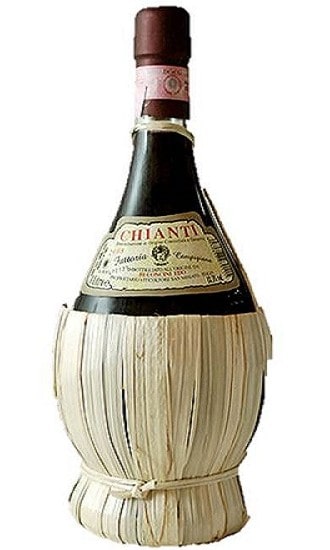
Denomination of Controlled Origin (DOC)
Ansonica Costa dell’Argentario produced in the province of Grosseto Bianco della Valdinievole produced in the province of Pistoia Bianco dell’Empolese produced in the provinces of Florence and Pistoia Barco Reale di Carmignano or Barco Reale produced in the provinces of Florence and Prato White Pisano di San Torpè produced in the province of Pisa White Virgin of Valdichiana or Valdichiana produced in the provinces of Arezzo and Siena Bianco di Pitigliano produced in the province of Grosseto Bolgheri produced in the province of Livorno Candia dei Colli Apuani produced in the province of Massa-Carrara Capalbio produced in the province of Grosseto Colli dell’Etruria Centrale produced in the provinces of Arezzo, Florence, Pisa, Pistoia, Prato and Siena Colline Lucchesi produced in the province of Lucca Cortona produced in the province of Arezzo Elba produced in the province of Livorno Montecarlo produced in the province of Lucca Monteregio di Massa Marittima produced in the province of Grosseto Montescudaio produced in the provinces of Livorno and Pisa Morellino di Scansano (Red in the normal and Riserva types) produced in the province of Grosseto up to the 2006 harvest Moscadello di Montalcino produced in the province of Siena Orcia produced in the province of Siena Parrina produced in the province of Grosseto Pomino produced in the province of Florence Rosso di Montalcino produced in the province of Siena Rosso di Montepulciano produced in the province of Siena San Gimignano (Red in the normal types, Riserva and Novello) produced in the province of Siena Sant’Antimo produced in the province of Siena Sovana produced in the province of Grosseto Terratico Bibbona produced in the northern part of the province of Livorno Val d’Arbia produced in the province of Siena Val di Cornia produced in the provinces of Livorno and Pisa Valdichiana produced in the province of Siena Vin Santo del Chianti produced in the provinces of Arezzo, Florence, Pisa, Pistoia, Prato and Siena 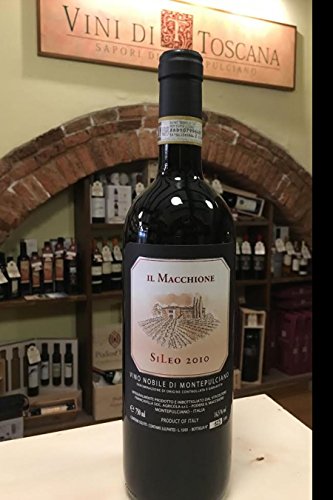
Bologna Cooking Class is the cooking experience N°1 in Bologna (TripAdvisor) with about 700 5 stars reviews
and also won the TripAdvisor award TOP 10% EXPERIENCE WORLDWIDE on TripAdvisor
and +400 5 stars reviews on Google maps
I am sure you will like it and I wait for you in one of my classes, Visit this page if you are interested in the Short class click here Short class Visit this page if you are interested in a longer class with market tour click here long class with market tour
See you soon with a new article.
Chef Luigi
Emilian cuisine
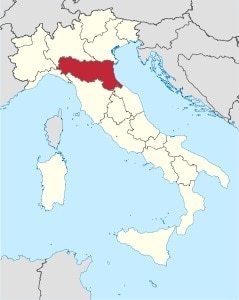 Emilian cuisine, as in most Italian regions, is a set of cuisine that, in Emilia, is the result of almost eight centuries of autonomy of the Emilian cities, from the age of the Municipalities to the Unification of Italy, and of the role of real capital exercised for a long time by the major cities. Emilian cuisine – at least the best known – is undoubtedly a solid, tasty and generously seasoned cuisine. “Bolognese cuisine” or “Emilian cuisine”, a recurring appeal of restaurants and trattorias throughout Italy, is almost synonymous with excellent, hearty and substantial cuisine.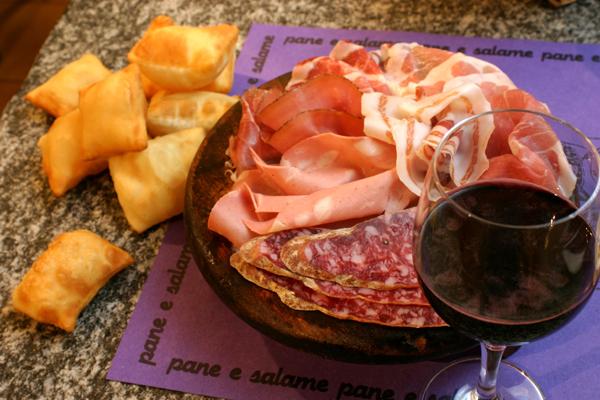
Background
Between the Emilia of the legations and that of the ducats, in particular, the divergence of the historical paths has produced perceptible consequences also in the alimentary and gastronomic field. But while among the Romagna cuisine, encompassed for almost four hundred years in the Papal States, and that of the Emilia contrasts prevail over affinities, the cuisine of the different Emilian cities make up a picture that, although very varied, nevertheless presents significant common traits. Partly exceptions are the cuisine of Piacenza, significantly influenced by that of Lombardy and Liguria, and that of Ferrara which, due to its eccentric position, has developed – and preserved – absolutely unique traits. Precisely because it was governed by powerful noble families, at whose courts the most celebrated cooks were served, Emilia has great gastronomic traditions. Throughout the Renaissance and Baroque periods two gastronomic “schools” dominate: the Roman one of the papal court and, in fact, the Emilian one. Giovan Battista Rossetti and Cristoforo di Messisbugo work in Ferrara; in Parma, it seems, serves Vincenzo Cervio; Giulio Cesare Tirelli and Bartolomeo Stefani lend their work to Bologna. It is most likely from the five-seventeenth-century tradition that the Emilian cuisine inherited those characteristics of opulence and prodigality for which Bologna (and with it the entire region) is called “La Grassa” The fatt. 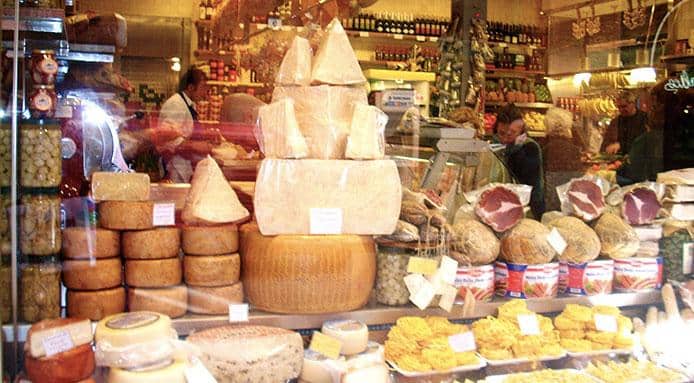
Emilian cuisine
Typical Emilian dishes
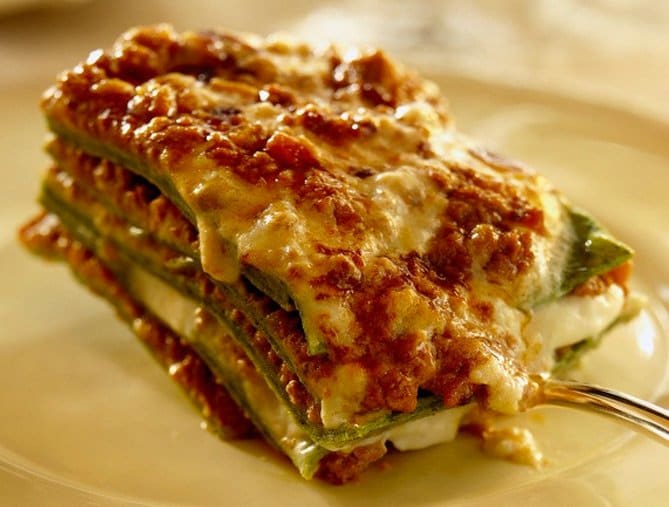
Pin of Emilian cuisine are the first courses. First of all the tagliatelle, thin and sough puff pastry (the flour should be dampened only with eggs, not a single drop of water is allowed); they are seasoned with Bolognese meat sauce and tomato paste. A variant is the green tagliatelle, in which dough enters the chard or spinach, particularly tasty and delicate are then the green nettle tagliatelle (take the tender tops of nettles, boil and then use instead of spinach). With the green sheet the lasagna are baked, a rich dish in alternating layers of Bolognese sauce and béchamel and Parmigiano Reggiano cheese, similar in some ways to the “vincisgrassi” of the Marche region. 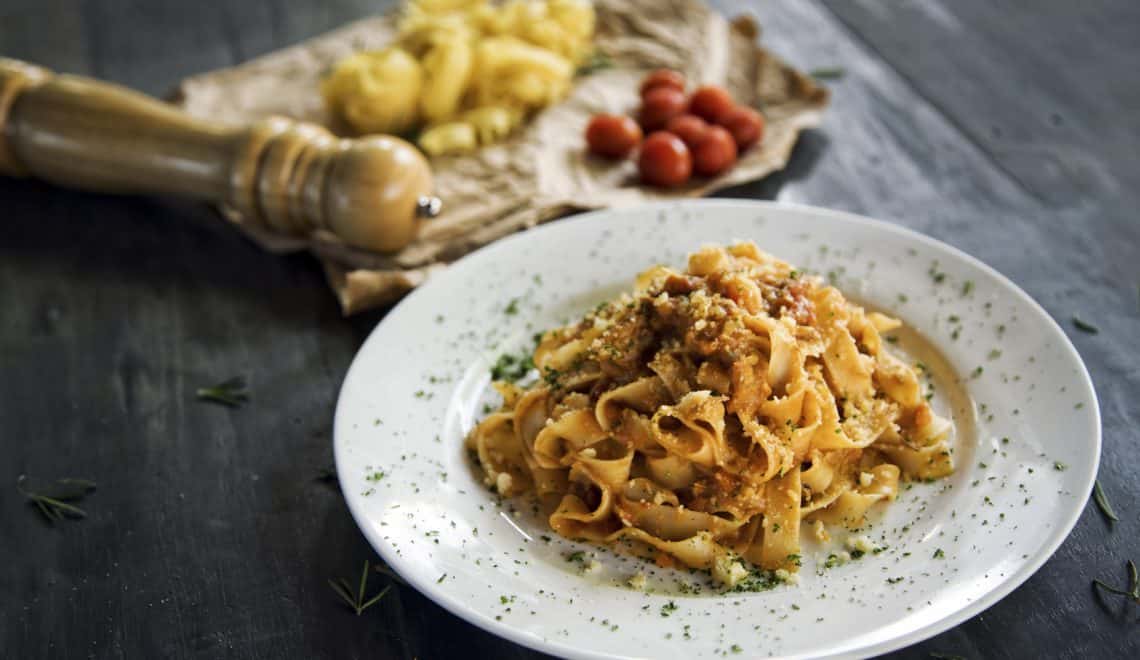 Emblem of the Bolognese and Modenese cuisine, the tortellini belong to the large family of puffs filled with more or less noble ingredients: family of ancient origin (it is already present in medieval recipe books) and widely spread throughout central-northern Italy. Traditionally served in meat broth, they are also consumed with cream. Among the other stuffed pasta are tortelli (or tortelloni) of lean, or even “Cappelletti di magro” in Romagna, which are distinguished by their size (they are much larger) and for the insertion in the stuffing mainly of ricotta, parmesan , and parsley.
  There are also tortelloni whose fillings are made up of excellent products such as mortadella and prosciutto rigorously combined with other raw ingredients based on cooked meats, eggs, Parmigiano Reggiano and nutmeg or with ricotta and spinach, the refined “Anolini” from Piacenza and the pumpkin tortelli (similar to those of Mantua, there are a variant of Piacenza and a Reggio Emilia, are then called Cappellacci di zucca in Ferrara); not to forget the “Erbazzone” of Reggio Emilia, a sort of savory pie with spinach and other vegetables, all seasoned with large quantities of Parmigiano Reggiano and cooked in the oven.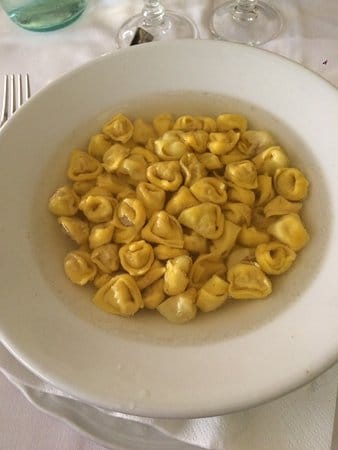
Main dishes
As for the main dishes, Emilia is equally rich: the veal cutlet of Bologna, is a rich variant of the Milanese cutlet, as well as another variant, prepared instead with the horse, is the “Faldìa” Piacenza ; the veal rump (cooked in butter with ham, Grana Padano cheese and truffle); the beef stew in Piacenza, vigorous and fragrant with spices, has illustrious and joint ancestors scattered here and there for the peninsula: more features are the versions with horsemeat and donkey 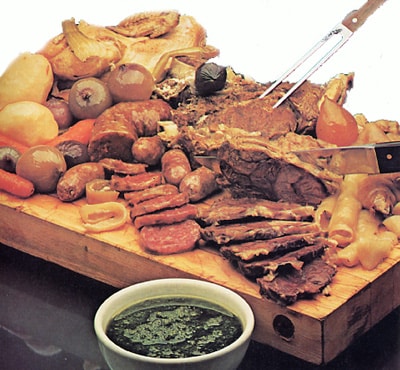 Particular are the “Pìcula ‘d caval” (dish based on minced meat) and the stewed donkey of Piacenza, a military city where horse meat was readily available, as well as the stuffed vegetables of the Piacenza Apennines or the Stuffed veal tip (“key” or “pocket”) that let discover its Ligurian matrix. Consumption of the eel is widespread along the Po river.
 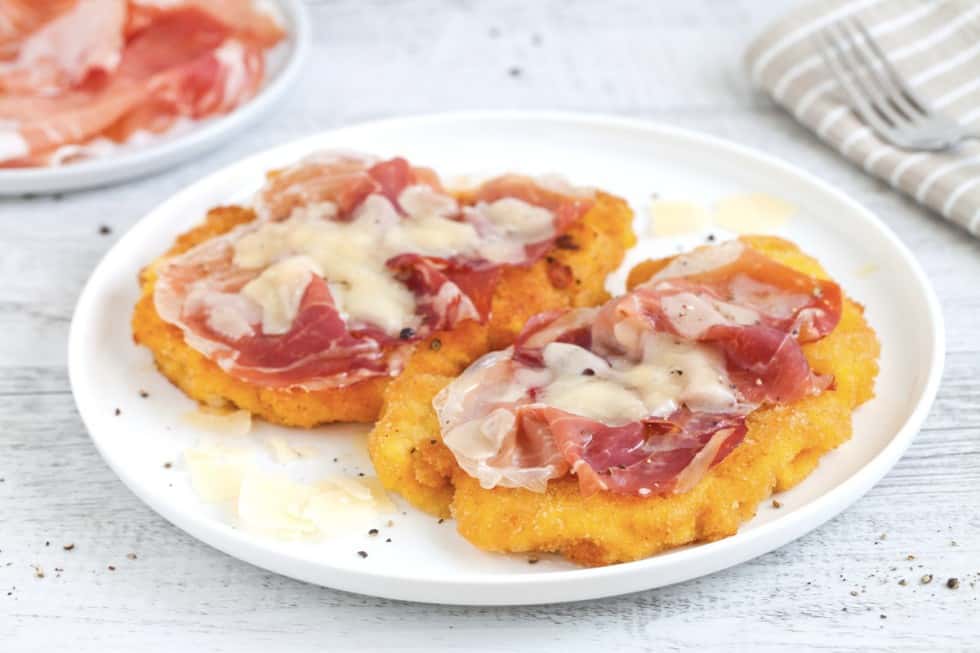 Although Emilia is certainly more known for the first courses there are also many main courses, among which we can mention: the roasted guinea fowl Bolognese stuffers boiled bolognese mixed meat accompanied by typical sauces the numerous “cacciatora” of chicken, rabbit, etc. the “straccetti” (beef strips) escalopes with balsamic vinegar; roasted pigeons; the roast of capon;
Emilian cuisine
Cold cuts and cheeses
Emilia boasts a production of cured meats that is unparalleled in terms of variety and value. The mortadella of Bologna, of pork and beef, is a sausage of noble birth and superb taste, unjustly undervalued for the meekness of the price; Modena’s mortadella is pure pork meat. The hams of the Parmense reach an admirable balance of sweetness and flavor. The Culatello, obtained with the “heart” of the ham, is a royal salami, even with the “Fiocchetto” 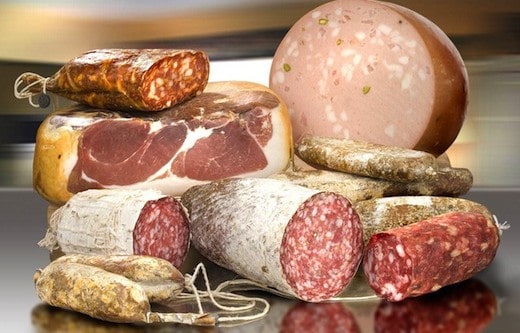 In Felino, in the Parma area, a well-seasoned salami is produced with an intense flavor, another superb salami produced in the area produced is the San Secondo ham, both in the most famous cooked version and in the rarest raw version. Zamponi and the Cotechini of Modena are very well known: both of them enter, very warm, in the mixed boiled meats of Bologna, Modena and Reggio Emilia. The “Salama da sugo” of Ferrara, very tasty and spicy, is a fragment of Renaissance cuisine that has come down to us. The Coppa Piacentina, produced by D.O.P., as well as Pancetta and Salame Piacentino (Piacenza is the only Italian province to boast three D.O.P. cured meats) is also famous and renowned.
 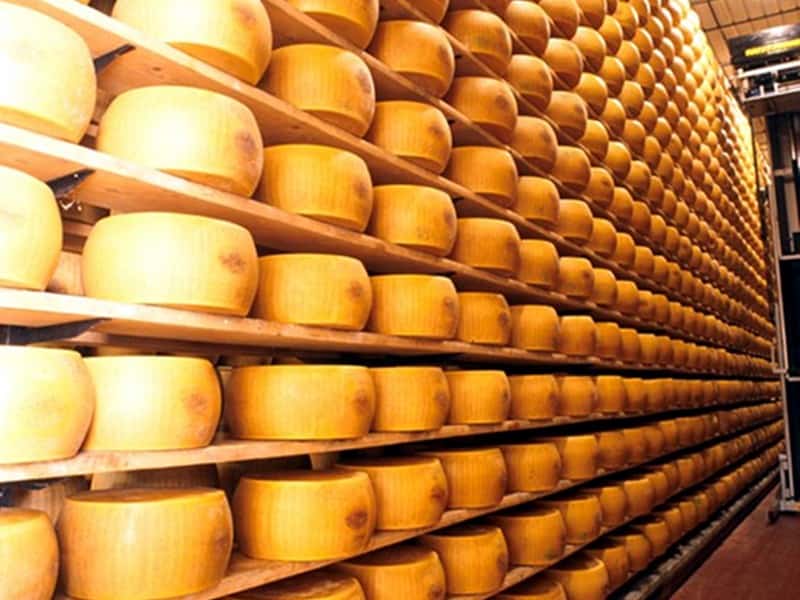 Known all over the world and rightly called “the king of cheeses”, Parmigiano-Reggiano is an obligatory ingredient of many Emilian dishes and other regions, traditional and newly minted, even if its unmatchable fragrance is appreciated above all – and especially if it is very old – when it is consumed naturally, in small flakes. In the province of Piacenza are produced instead Grana Padano and Provolone Val Padana. Less famous than Parmesan but certainly worthy of mention there are also: the squacquerone, casatella and caciotta of Castel San Pietro Terme.
Emilian cuisine
Wines
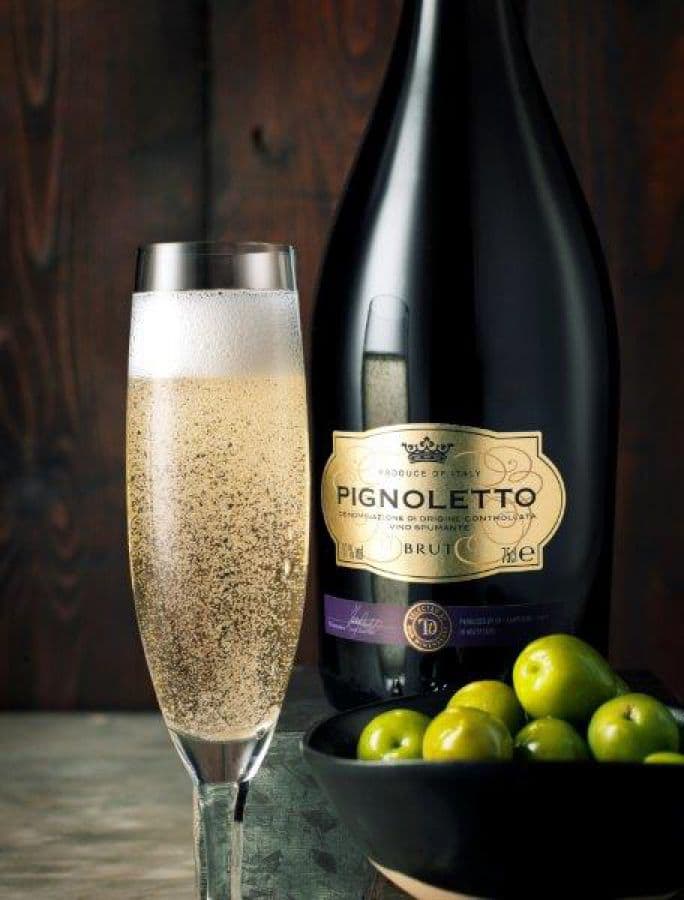 Emilia, in the lowland areas, does not offer a great variety of wines. Lambrusco in the dry, light and sparkling version, goes well with the fat and tasty dishes typical of the Emilian cuisine, representing the right contrast; in the amiable version it is a dessert or conversation wine. The Lambrusco DOC wines produced in the province of Modena are Lambrusco di Sorbara, Salamino di Santa Croce and Grasparossa di Castelvetro. Lambrusco Reggiano is produced in the province of Reggio Emilia. In the hilly areas are produced wines worthy of note as the Pignoletto of the Bologna hills, or the Malvasia, the Gutturnio, the Ortrugo and the Bonarda produced in the Piacenza area under the label Colli Piacentini. In the Scandiano area the Bianco di Scandiano (DOC) is also produced in the dry and sweet versions.
 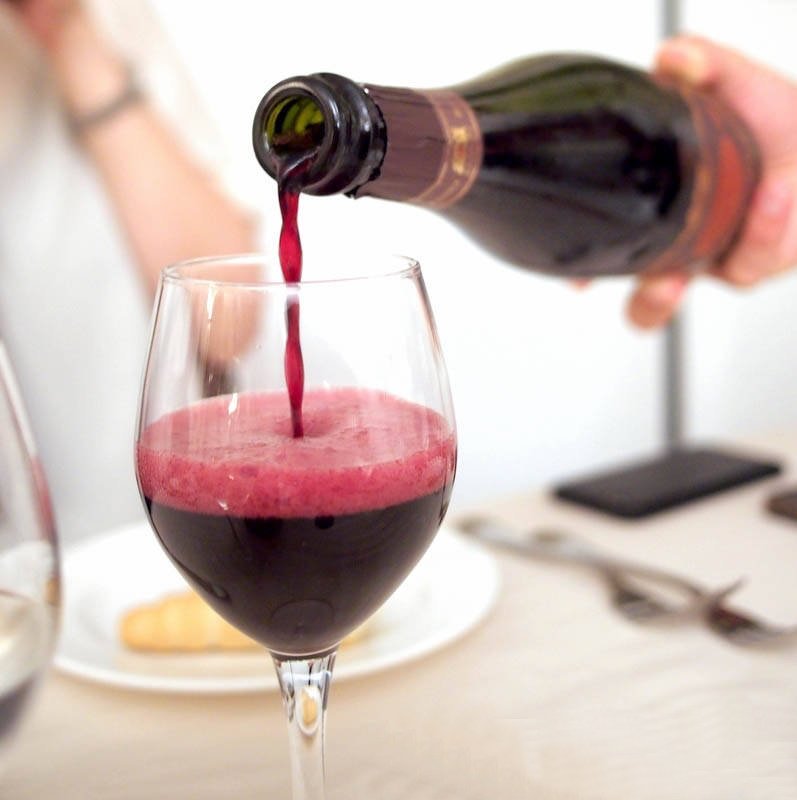 Also worthy of attention are Rosso del Bosco Eliceo (Ferrara and Ravenna) or Sauvignon (also a passito) and Cabernet Sauvignon (in the Bologna area).
Bologna Cooking Class is the cooking experience N°1 in Bologna (TripAdvisor) with about 700 5 stars reviews
and also won the TripAdvisor award TOP 10% EXPERIENCE WORLDWIDE on TripAdvisor
and +400 5 stars reviews on Google maps
I am sure you will like it and I wait for you in one of my classes, Visit this page if you are interested in the Short class click here Short class Visit this page if you are interested in a longer class with market tour click here long class with market tour
See you soon with a new article.
Chef Luigi
The Venetian cuisine
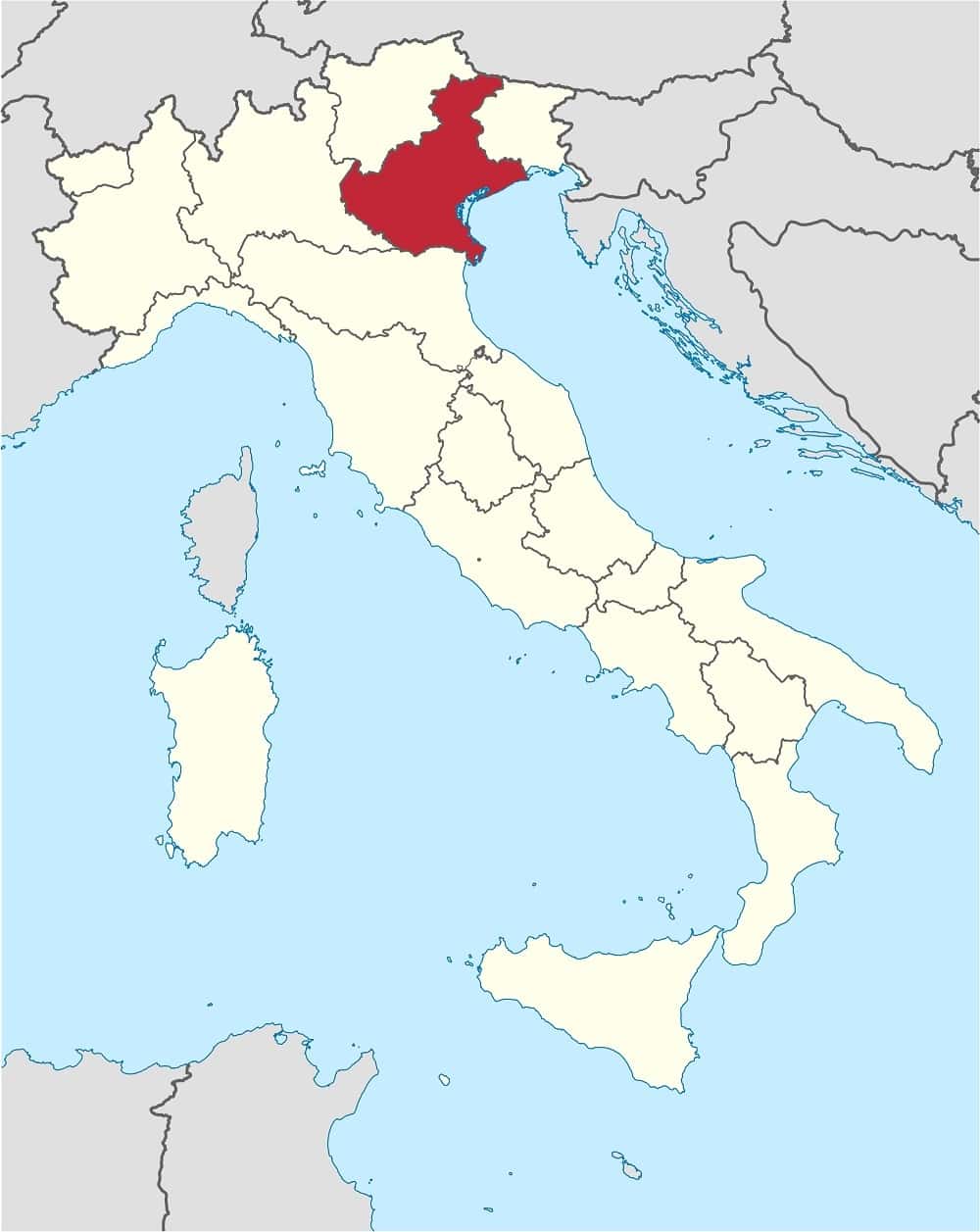
Origins
The Venetian cuisine is based on delicate but very varied flavors, which find their roots in the history and the geographic conformation of the region. The products that characterize the main dishes are the four elements consisting of rice, polenta, baccalà and beans. 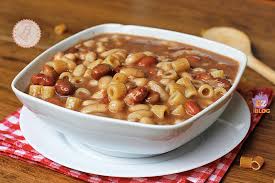
The Venetian cuisine
First courses
Rice in Veneto is cooked in forty different ways: it comes from the Arab regions, with which the Republic of Venice was in close commercial contact and it began to grow starting from 1500 in the plains of Verona, where the vialone variety is still produced. This quality of rice has a particular flavor, probably dictated by the nature of the alkaline soil in which it grows and the calcareous waters: in these conditions the growers limit the use of fertilizers and artificial substances to the maximum, and the product’s wholesomeness is exceptional. 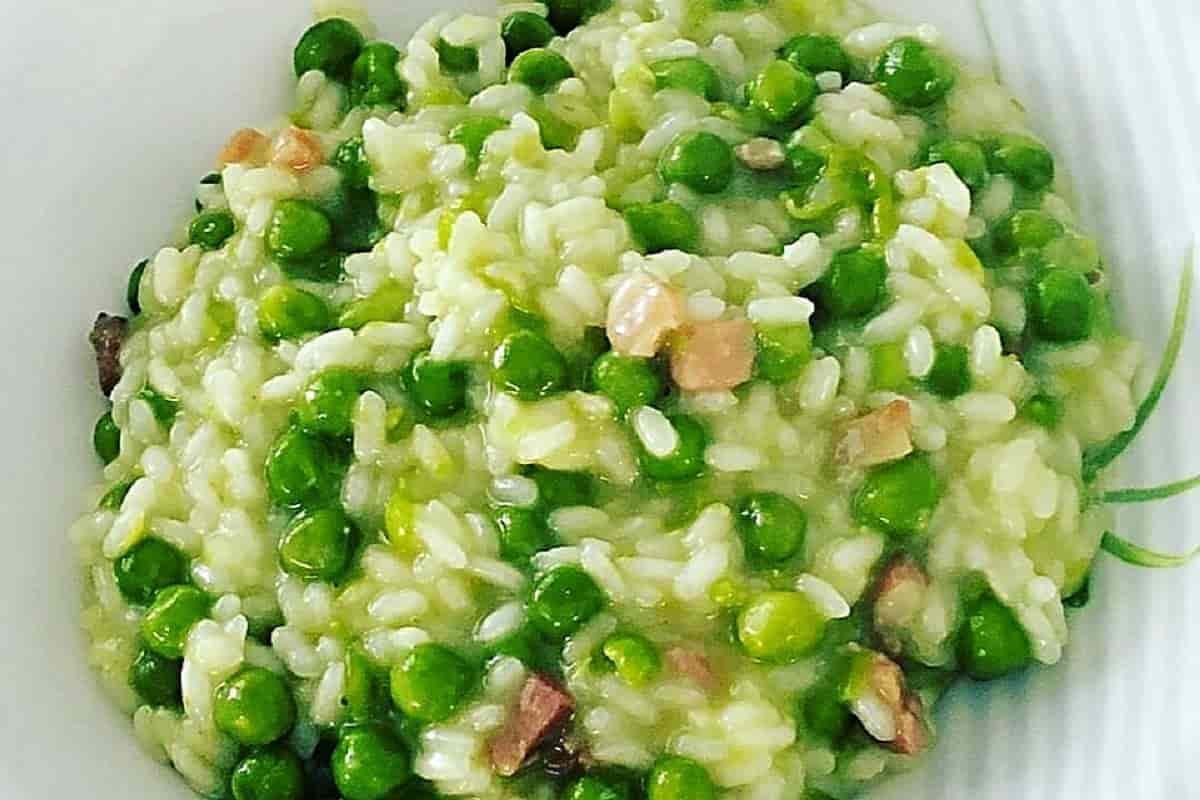 Among the main dishes related to rice, we mention the risi e bisi and the risi e figadini, two soups made with soft peas and chicken meat; Among the risottos are instead famous fish, based on chicken as the ruin, or those whose main ingredient is beans and snails.
 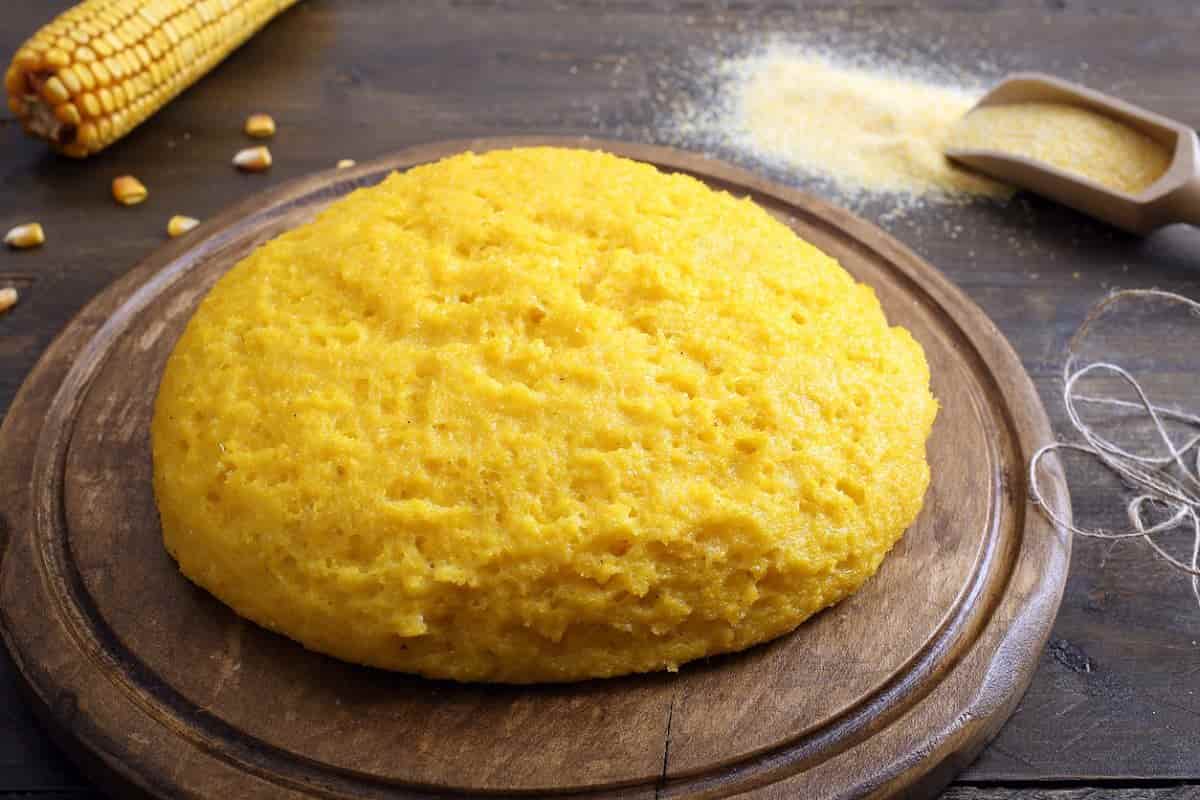 While beans begin to spread at the same time as corn, it is interesting to tell how the cultivation of corn develops.Polenta, which is one of the four cornerstones of Venetian cuisine, is prepared precisely starting from corn flour, a plant that came to the Serenissima Republic in 1500 as a local imposition to farmers, although the peasants were reluctant to its production: even in other regions like Lombardy, the cultivation of corn was introduced only after the plague of 1600 to stem the damage of the famine.
 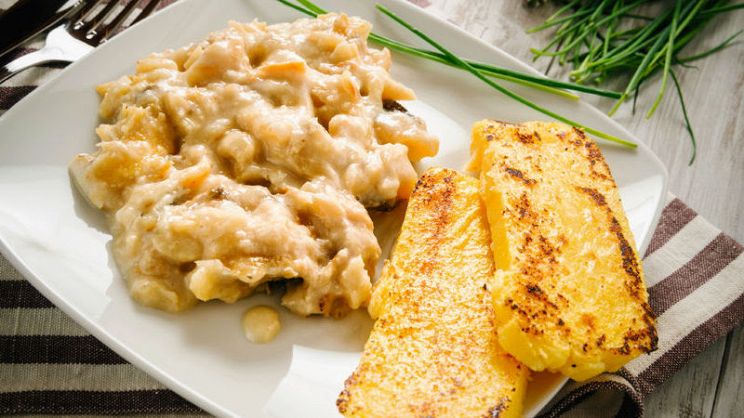 The cod or stoccafisso, has its origin from the northern seas and has a still after introduction: it is served on tables throughout the year, as an aperitif, first course, second course, accompanied by sauces, creams or even polenta. The Vicenza cod is prepared in different variants that use milk, potatoes and other vegetables: the part that does not change, is the cooking of at least two hours
 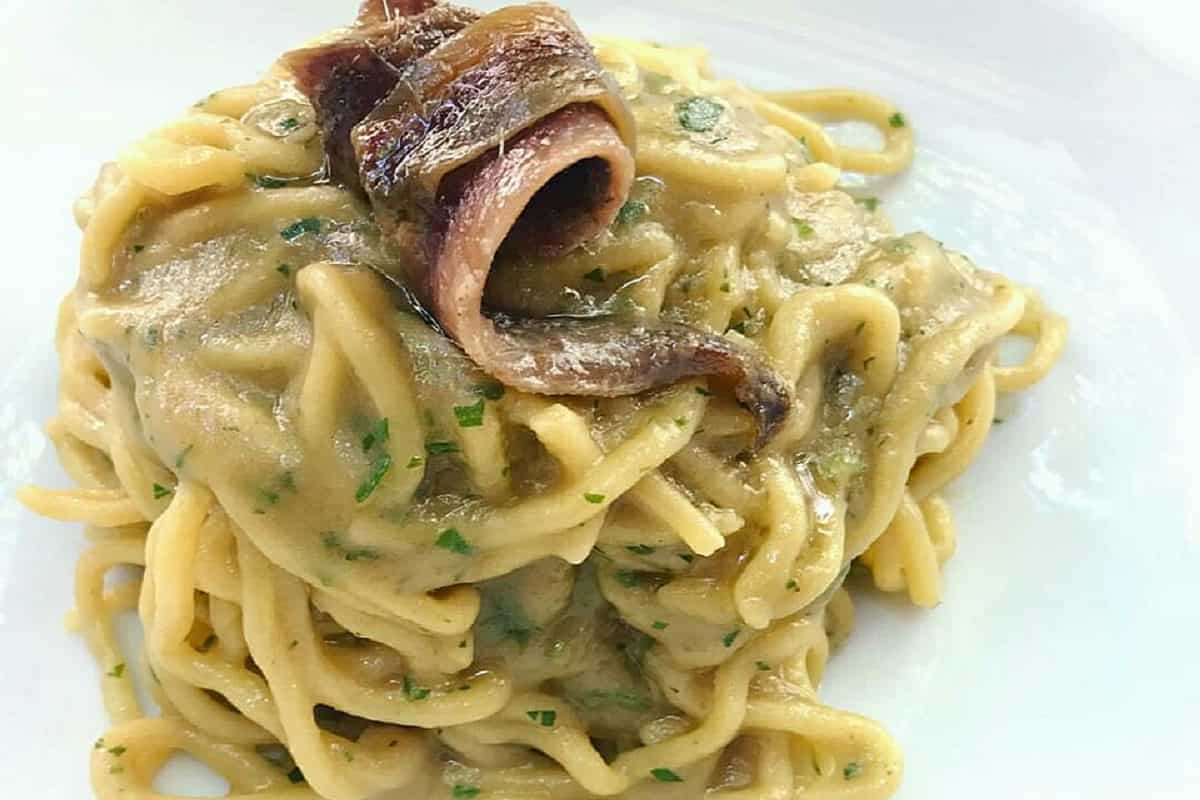 around these fixed points of the gastronomy of the Veneto, beyond the trades and in virtue of the only job of the man, here are many other local products, appreciated as widespread. First of all we remember the meats, cheeses and all products derived from milk, but in particular, among the products of the vegetable garden, the excellent radicchio that is the basis of renowned recipes, such as risotto with radicchio trevigiano, radicchio baked and fried radicchio.
 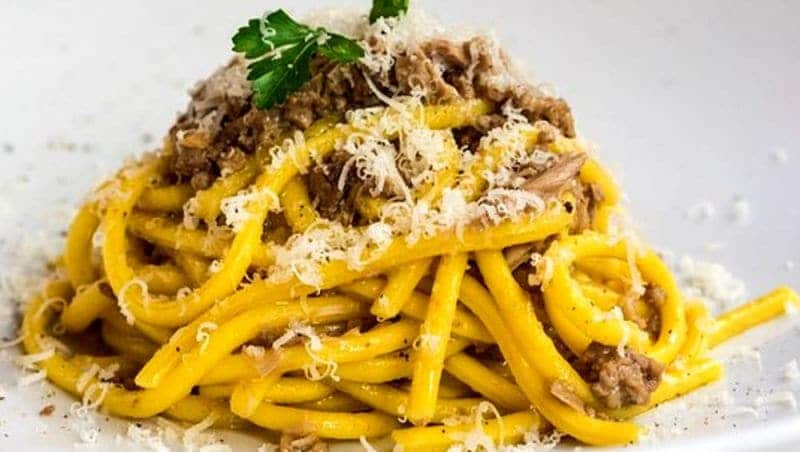 The only really typical pasta of this region, is represented by bigoli, whose preparation is historically linked to the work of man, rather than the housewife, for the physical strength that requires in the original preparation at home. Bigoli are a sort of thick spaghetti made with the use of a hand-operated press, whose surface is particularly rough and suitable to retain sauces.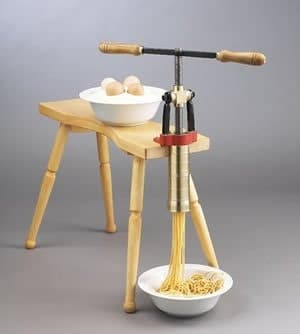
The Venetian cuisine
Main Courses
The fact that Venice was an important maritime Republic, explains the spread of spices, widely used in the kitchen and in the past also a tool for food preservation: pepper and cinnamon, but also cloves and raisins, are an integral part of many dishes, in all the provinces of the region.  All these elements, native and imported, reveal the reasons for the variety and taste of all the gastronomy of the Veneto, with a strong traditional flavor that never exceeds in the sweet and salty.
 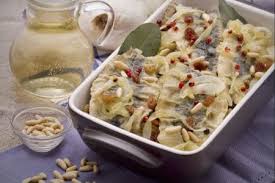 A dish that well represents this balance are the sarde in saor, where the fish is fried and then seasoned with vinegar, pine nuts, raisins and toasted onions. This preparation is applicable not only with sardines but other types of fish, which in this way can also be consumed over several days.
 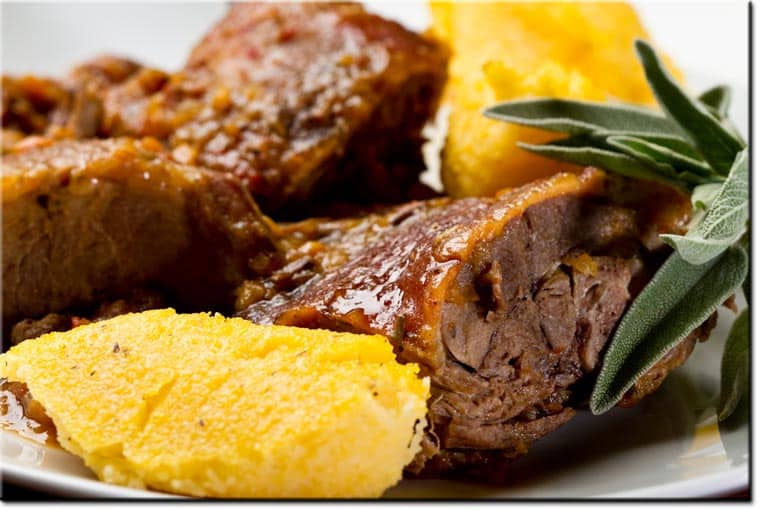 Another historical dish is the goose in onto (fat), where the meat is preserved in oil, together with garlic, rosemary, salt and pepper, cooked slowly at first so as to let out most of the fat; Once cooked, the meat is deprived of the skin and must be cut into small pieces, and can be stored in glass jars filled with layers of grease, even for months.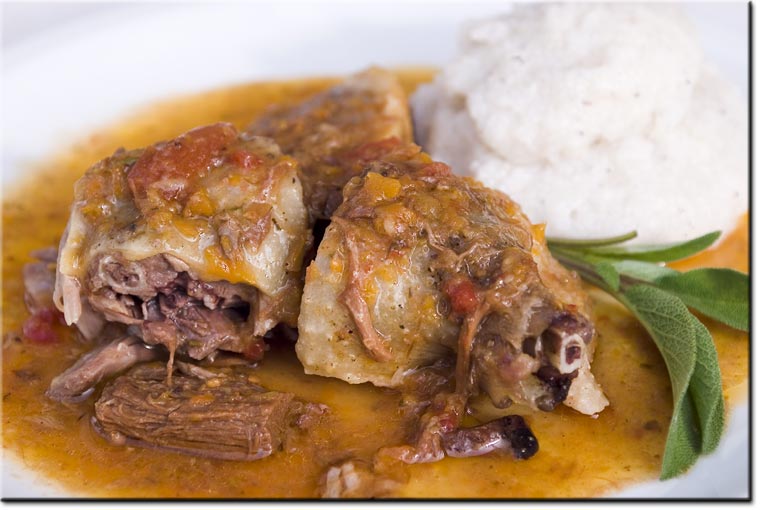
The Venetian cuisine
Dessert and Cheeses
Among the most traditional desserts, besides the sandy cake, go to the Venetian zaletti, whose name recalls the yellow color of the flour used for their preparation or the shape of the rooster that is often made with pasta: the recipe original is very simple, and is based on warm water, flour, baking powder and icing, with the optional butter ingredient. 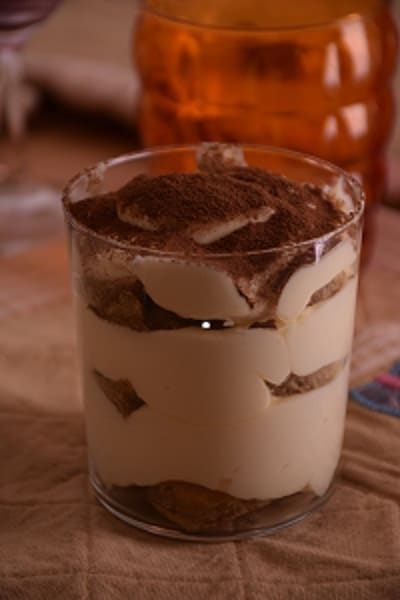 The most famous Venetian dessert is certainly the Tiramisù (Pick Me up) born in Treviso in 1954 and became famous all over the world in a few years
 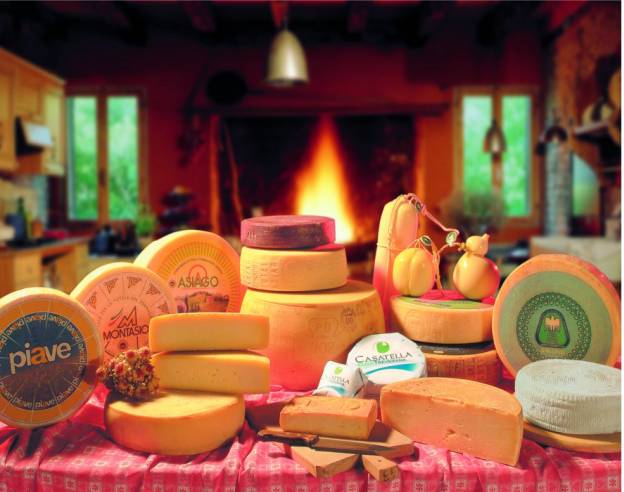 The Venetian cuisine has a particularity: unlike what happens with some dishes of other regions, such as Emilia Romagna and Campania, (where Bolognese and pizza are exported and famous all over the world, albeit with results that are not always comparable to the original), the gastronomy of the Veneto can only be tasted on site. This guarantees an extraordinary uniqueness and genuinenes
The Venetian cuisine
Wine
The Veneto region is ranked every year among the first four places among the major wine producers in Italy: in every province are very popular taverns, extremely popular and fashionable, which allow you to accompany the taste of local wines to taste of cheeses, toasted polenta and other traditional delicacies. 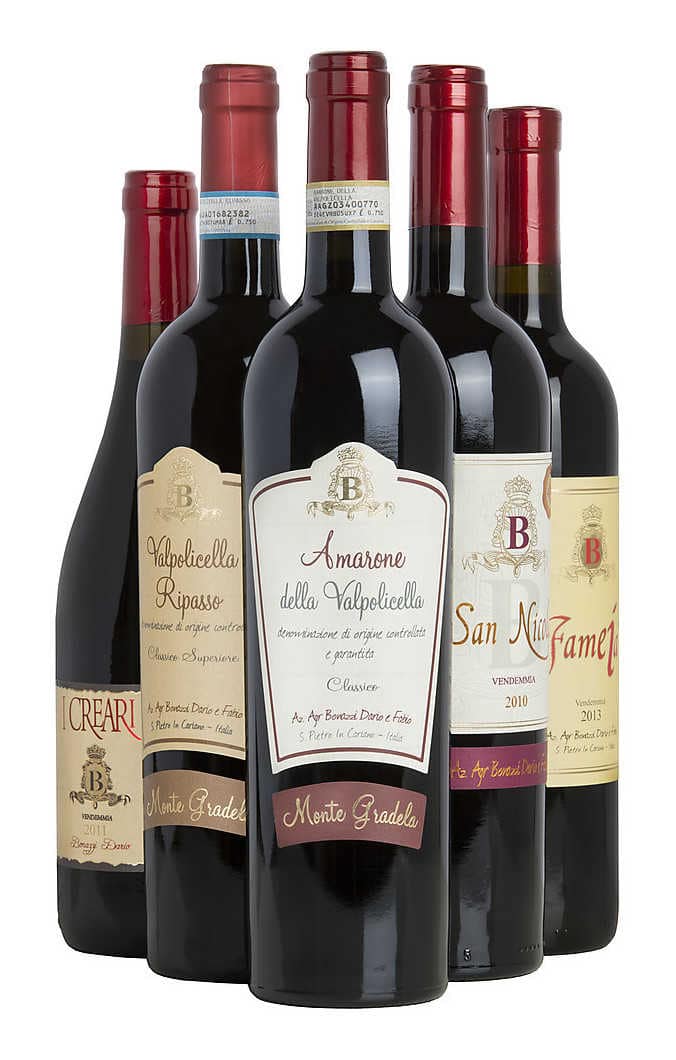 It is no coincidence that the great Vinitaly Fair takes place in Verona, which every April attracts connoisseurs and enthusiasts from all over Italy and Europe. Turning to the many qualities of wine that characterize the Veneto, we note first of all how the variety is a consequence of the size of the territory at a geographical level and the multiple land and climates.
 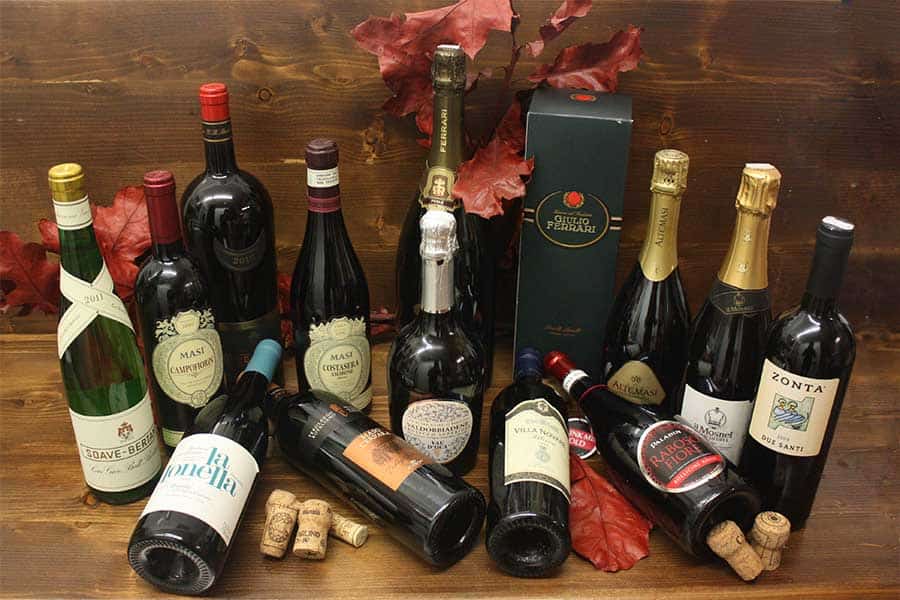 In the Treviso area, the sparkling golden Prosecco is produced, while the sparkling wine of Conegliano Valdobbiadene is even more famous, widespread in particular in recent years. Thanks to the beneficial influence of Lake Garda, in Valponicella many fine wines are born, such as Bardolino, Verduzzo and Soave. Also of these areas also the quality Recioto, which is made using only the external berries of each bunch, which for this reason have been particularly exposed to the sun, and give a very sweet tone to the product.
Bologna Cooking Class is the cooking experience N°1 in Bologna (TripAdvisor) with about 700 5 stars reviews
and also won the TripAdvisor award TOP 10% EXPERIENCE WORLDWIDE on TripAdvisor
and +400 5 stars reviews on Google maps
I am sure you will like it and I wait for you in one of my classes, Visit this page if you are interested in the Short class click here Short class Visit this page if you are interested in a longer class with market tour click here long class with market tour
See you soon with a new article.
Chef Luigi
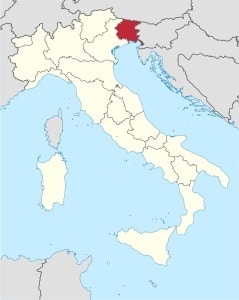
Friulian cuisine
The Friulian cuisine is influenced by the morphology of the region that goes from the sea to the mountains, the diversity of the cultures and the populations that have inhabited it, contributing substantially to a differentiation of the culinary traditions. From the economic point of view, the main food districts in the second decade of 2000 are those of the wine sector and that of San Daniele ham. It is a mainly earthenware cuisine, with incursions in the sea cuisine on the Adriatic coast, and also some peculiarities, such as the Boreto alla Graisana, (soup of Grado), a fish soup without tomato and with a predominance of turbot. The absence of tomatoes and an abundance of pepper from this recipe date back to the early Middle Ages, prior to the introduction of tomato in Europe, as well as suggesting the importance of the traffic of nearby Aquileia in the abundance of the use of pepper. 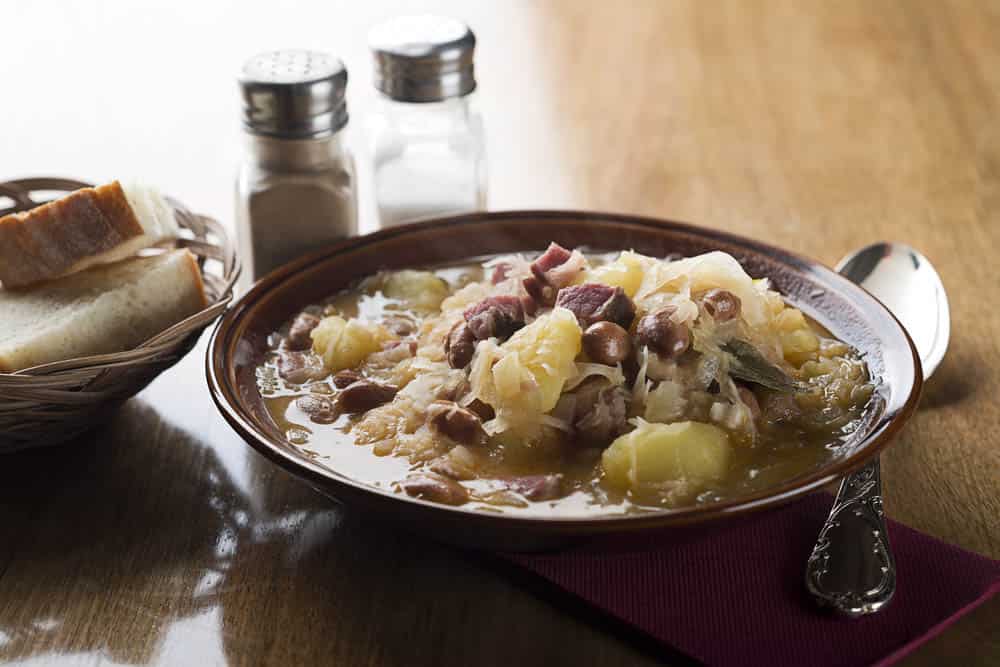
First courses
Among the first courses, in the past, minestrone and minestrone were very important, including bean soups, pasta and beans, jota, which require long cooking and preparation, and which were made with vegetables. The changed living conditions required faster dishes in the preparation, especially pasta. Risotto with sclopit, (silene vulgaris), risotto with asparagus and risotto with urticcions (hops) and also pies vegetables and gnocchi. 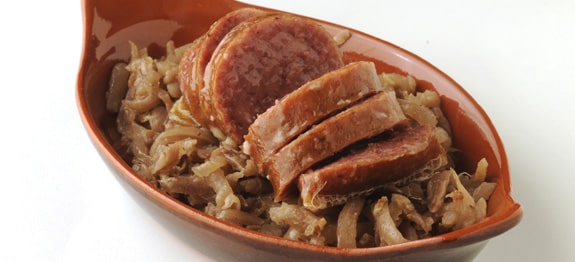
Main courses
They are typical The “musetto” (muset) is a sausage similar to the cotechino, made with the parts of the pig’s snout. The various dishes of game, hare, rabbit, wild boar, roe deer, deer, chamois, generally accompanied with polenta. The stews and the boiled meat are of some importance. Among the other boiled meat, the salted beef tongue is very appreciated. In recent times, traditional Slavic dishes such as goulash and ćevapčići were introduced. The fish dishes are instead made mainly with fish from the Adriatic not only in coastal areas but also in the plains and hills of Friuli, to which are added specialties based on trout bred in the areas of San Daniele del Friuli or resurgences, and even crayfish One of the leading productions of the Friuli food industry is trout breeding, produced for about 40% of the national total, in the area of San Daniele del Friuli and Codroipo in the province of Udine, in the area of Fontanafredda in the province of Pordenone. For 70% it is a salmon trout. Production is largely destined for the Italian domestic market. In taverns, especially in Udine, they are served with aperitif snacks of salt cod canapés, sardines in saor, masanette (stewed crabs). 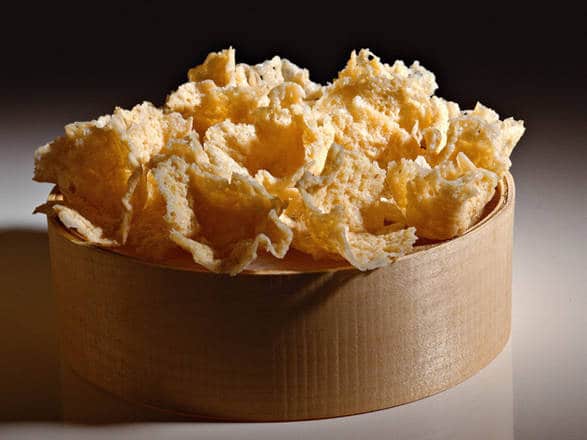
Friulian cuisine
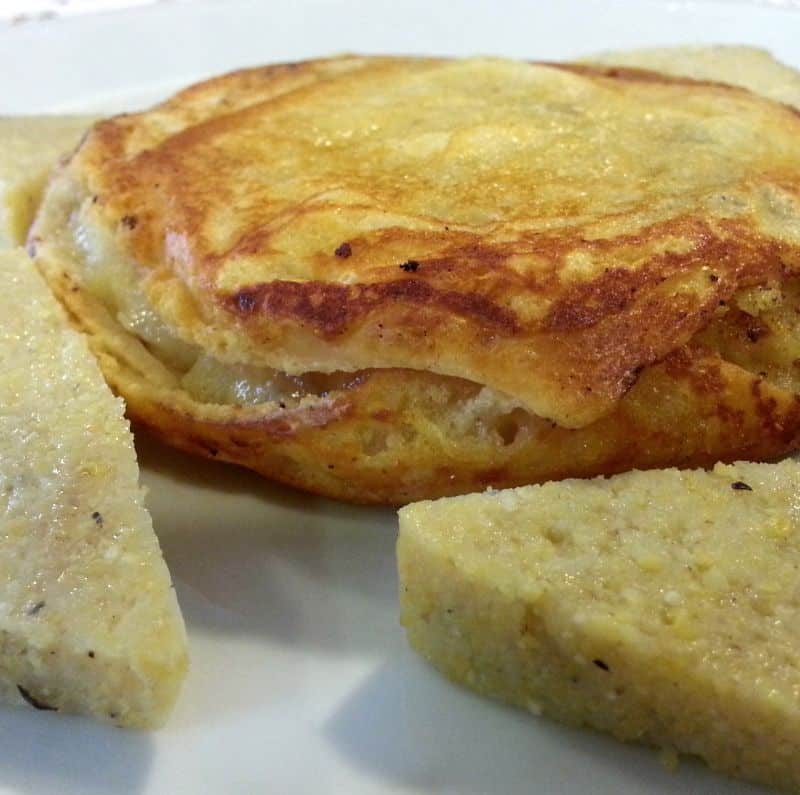
Vegetables, vegetables, sauces and condimants
The brovada consists of turnips soured with the marc and then grated, very common in the countryside and in every agricultural family, due to the simplicity of the preparation. Cuted turnips are placed in a vat separated from the marc, and left to ferment for a few weeks after the end of the harvest, until they are ready for the beginning of the harshest winter. The brovada is the typical accompaniment of the nose. Among the sauces and condiments, are important Kren and Ajvar, the first of Austro-Hungarian derivation and the second of Slavic derivation. The Kren is a horseradish sauce used with boiled meats, from the aforementioned musetto, to the salmistrata tongue to the prosciutto cooked with bread from Trieste. The Ajvar instead is a sauce of peppers and aubergines and vinegar and spices that goes well with ćevapčići, or rasnici (skewers of meat), but in general with grilled meat. 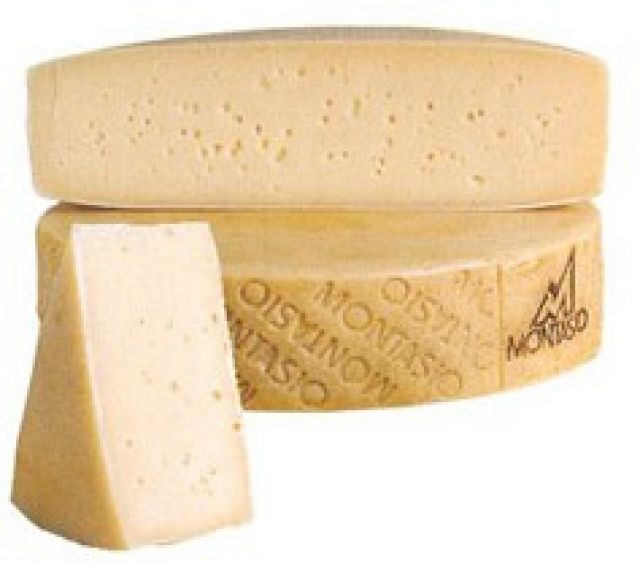
Cheeses
milk and the dairy industry have a prominent place in the Friuli economy, both for the cheese production of cheese and for the derivatives, in particular frico. The most widespread and well-known cheese is also a Malga cheese, as the Montasio takes its name from the Montasio plateau where it is still produced even in the malga, as well as in the large production units of the plain. However, the malga cheese is a cheese produced in small production units located throughout the Friuli mountain that use the milk of animals that practice the pasture. Asìno cheese, typical of Monte Asio (in the Pordenone area) from which the name derives, is a soft cheese similar to the salty Carico cheese Fagagna cheese Montasio cheese Malga cheese Formadi Frant, typical of Carnia, is a preparation with chopped cheese scraps with the addition of salt, pepper, milk and cream, is seasoned for 40 days. Formadi Cjoc, also called drunken cheese, the forms are immersed in grape musts for a minimum of 2 and a maximum of 10 days. Scuete (ricotta) and scuete fumade, (smoked ricotta) 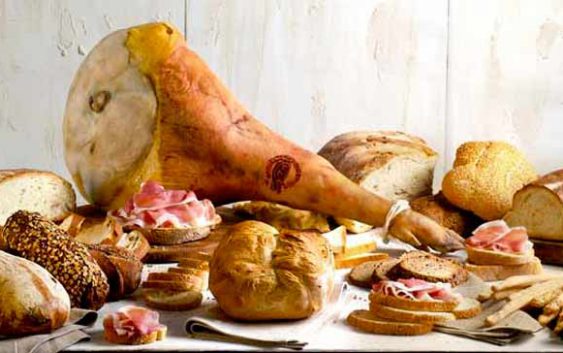
Salami and sausages
Important, also from an economic point of view for the region, is the production of cured meats and sausages, with the famous San Daniele ham and with the production, more niche but always of high quality, of Cormons and Sauris raw ham where speck is also produce. The presence of an important and growing industry of ham factories means that there is also a good production of other meats and sausages from the processing of pork, such as salami, soppressa, cooked ham. A particular note deserves cooked ham called “Prague”. The “Praga” is a slightly smoked cooked ham from Central European origins but then forgotten there and reborn in the beautiful Trieste of the early twentieth century, in a version cut by hand, hot, served in bread with the addition of cren. From the ham factories and salami factories of the Karst (facilitated by the presence of the free port granted by Maria Theresa of Habsburg) the Prague has spread in the salami factories of Friuli, which however found the new young cosmopolitan capital of the early twentieth century Trieste as a natural commercial outlet . 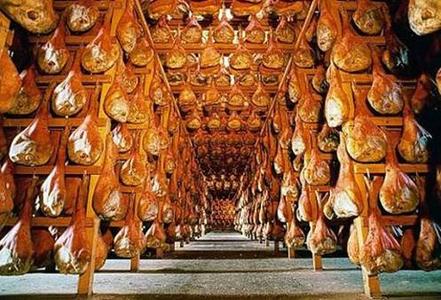
Friulian cuisine
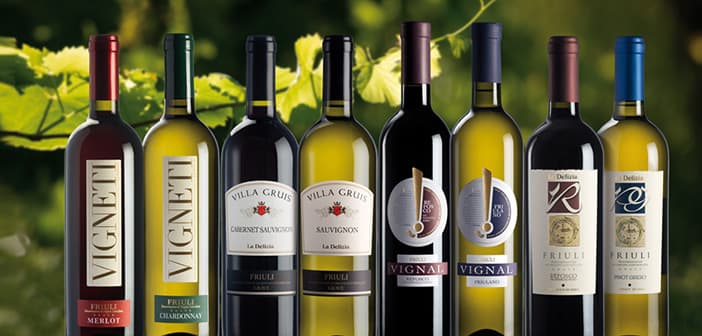
Wines
The Friulian wine production is a leading sector of the Friuli economy, together with that of San Daniele ham. In the decade 2000-2010, the production favored white wines rather than reds or rosés, allocating a large part to exports. In particular, about 40% of the vineyards produce Prosecco and sparkling wines, Pinot grigio, Sauvignon, Chardonnay and Friulano, White wines Friulano Sauvignon Colli Orientali del Friuli Picolit Ramandolo Ribolla gialla Verduzzo Pinot Grigio Prosecco Red wines Cabernet Merlot Pignolo Refosco dal peduncolo rosso Schioppettino (Ribolla nera) Tazzelenghe 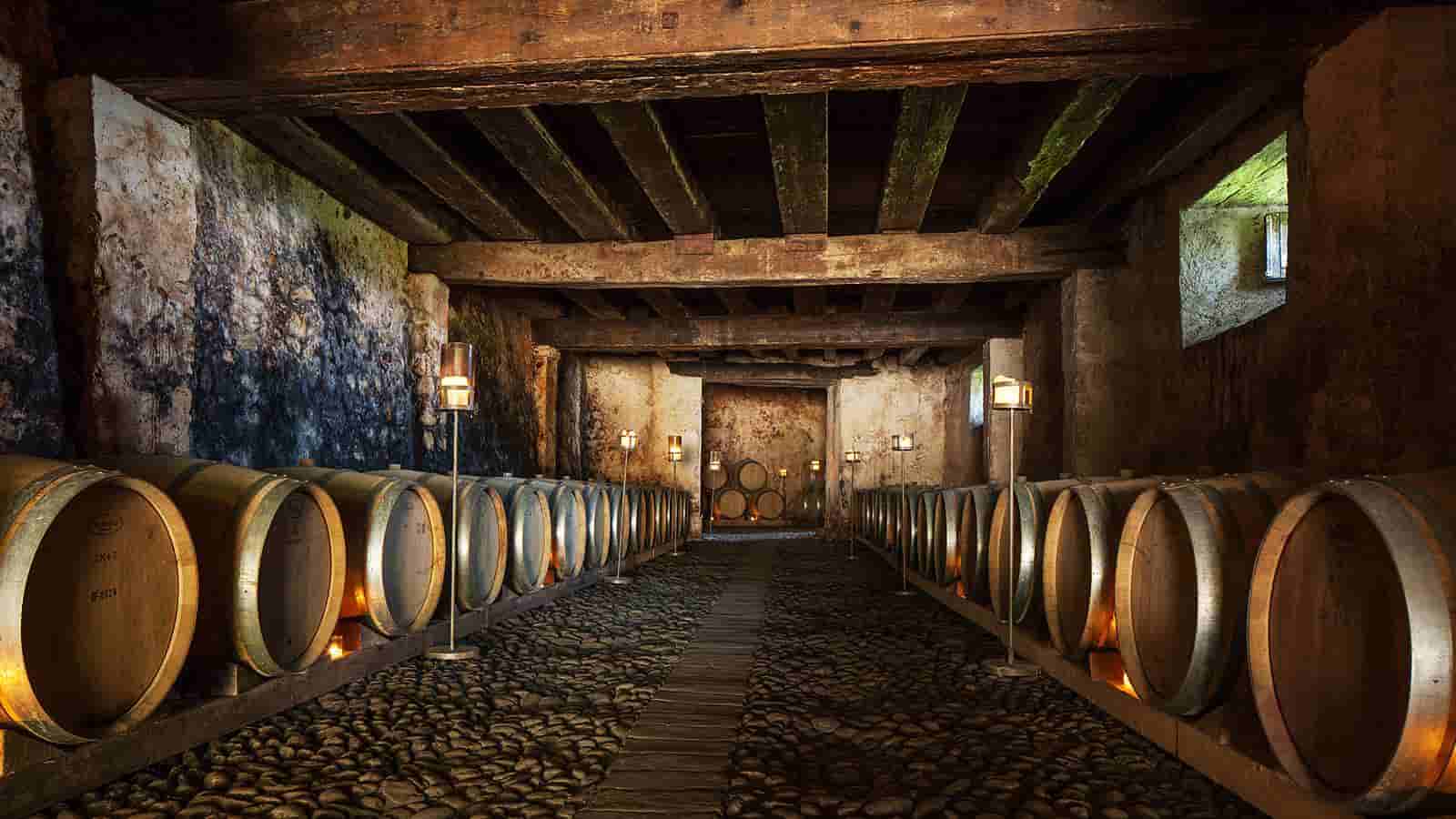
Bologna Cooking Class is the cooking experience N°1 in Bologna (TripAdvisor) with about 700 5 stars reviews
and also won the TripAdvisor award TOP 10% EXPERIENCE WORLDWIDE on TripAdvisor
and +400 5 stars reviews on Google maps
I am sure you will like it and I wait for you in one of my classes, Visit this page if you are interested in the Short class click here Short class Visit this page if you are interested in a longer class with market tour click here long class with market tour
See you soon with a new article.
Chef Luigi
Trentino and South Tyrolean cuisine
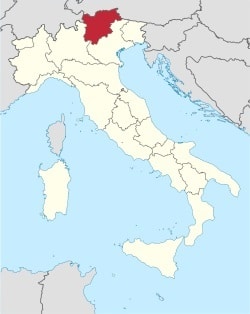
Trentino cuisine
The Trentino cuisine is very influenced and linked, given the many centuries of belonging to the Sacred Roman Empire, the Mitteleuropean and Italian cuisine of the north. There are three main elements that distinguish Trentino cuisine: speck, dairy products and apples 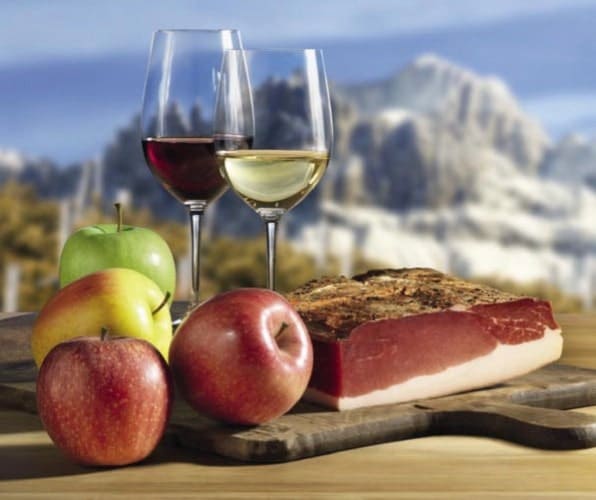
Appetizers
One of the most traditional things is the potato cake, often accompanied by a platter of local meats and cheeses. 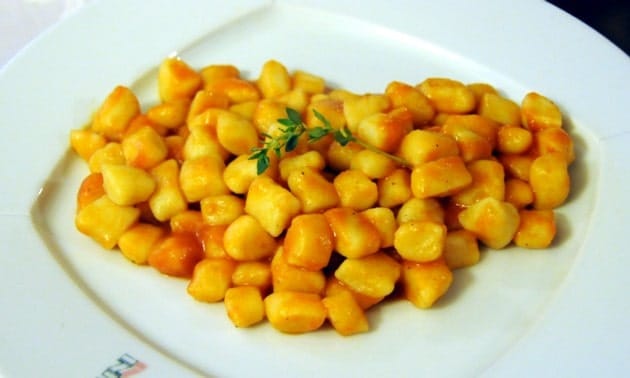
First dishes
Compared to other regions of Italy, there is no type of traditional pasta, food that has largely spread only after World War II. Typical first courses of the Trentino tradition are the soups, among them the “barley soup” (or “orzetto alla trentina”), the Panàda, the Mòsa, the Brö brusà; gnocchi, among all the potato gnocchi in the Trentino style, gnòchi de pan and gnòchi de rye. This tradition the first place we have Canederli, classically composed of bread and meat varies with the addition of cheese for the palates more greedy, are served in broth or with butter and sage. Like all regional recipes, this has also been exploited by cooks for making variations, such as dumplings with savoy and stinking Moena. Another typical dish are the Strangolapreti or gnocchi with spinach and homemade bread with some variations such as the one that includes nettle instead of spinach. 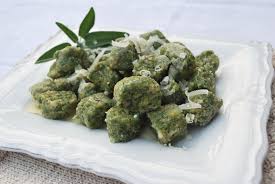
Main dishes
The meat dishes in Trentino are the poor ones of peasant origin, for example the Canederli, the spatzle tasty gnocchetti tirolesi, the stew of offal said “Sguazet” or the stew of meat that is called “Tonco de pontesel”. 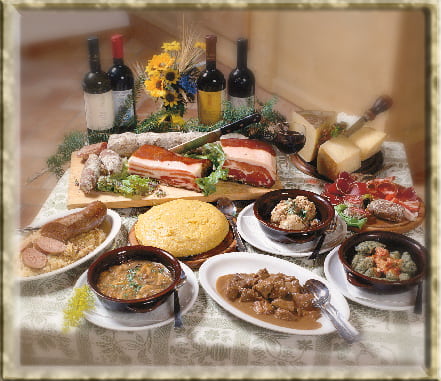
Cheeses
Casolet Puzzone di Moena Tosèla Spressa of the Giudicarie Vezzena di Lavarone
Wines and liqueurs
Casteller Teroldego Holy Wine 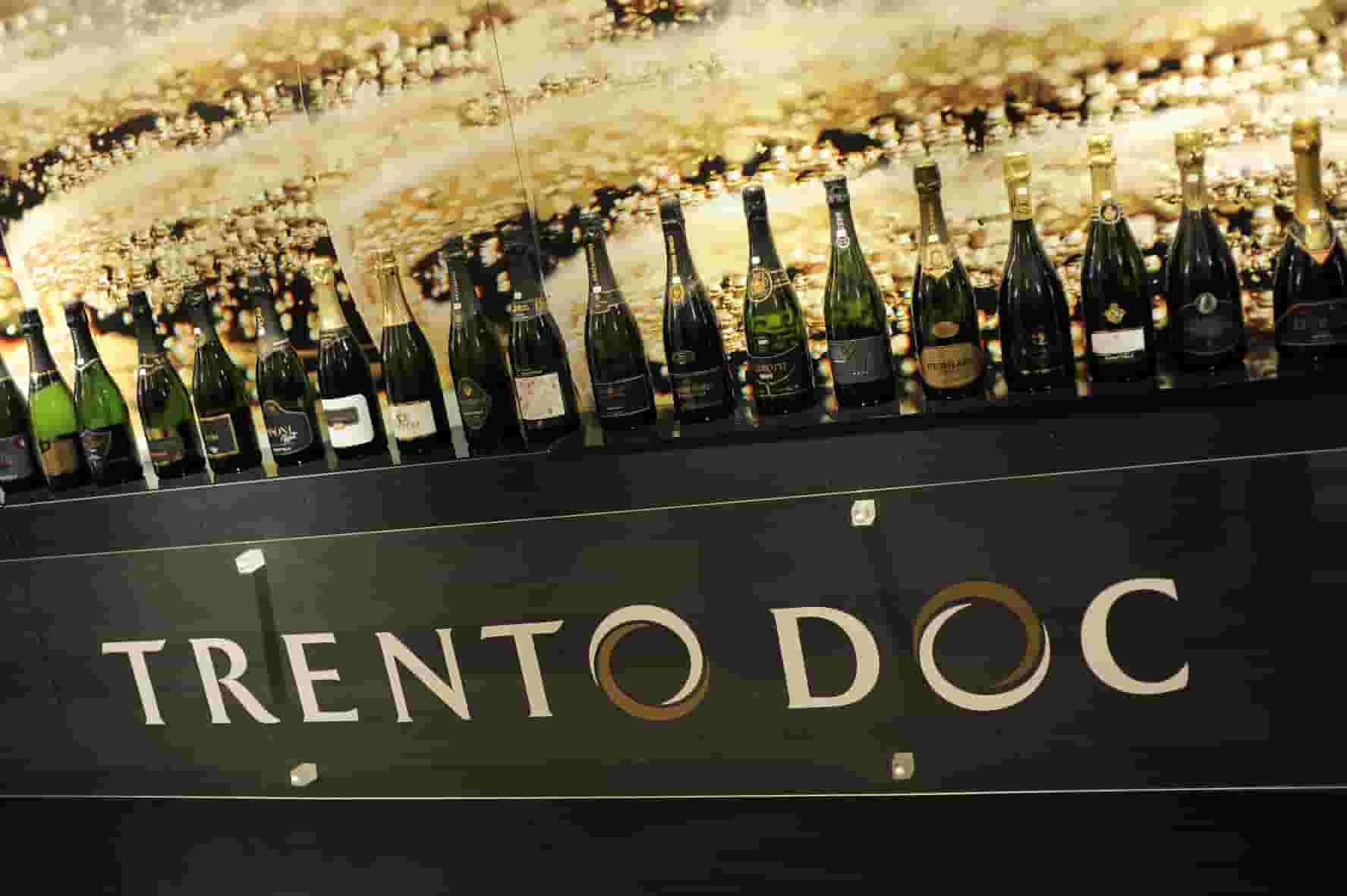 Some dishes shown here are assigned to the typical Trentino kitchen because it is widely used, however: Polenta is widespread throughout Italy and: Veneto, Valle d’Aosta, Lombardy, Piedmont, Emilia-Romagna and Friuli-Venezia Giulia are, in turn, very strong consumers; Many dishes, such as Canederli or (Knödel), strudel and speck and many others, are of Austrian origin and, given the long tradition and history that binds Trentino to Tyrol, have spread mainly through South Tyrol but are widely present also in Trentino so some items are in common (with different names) with South Tyrolean cuisine;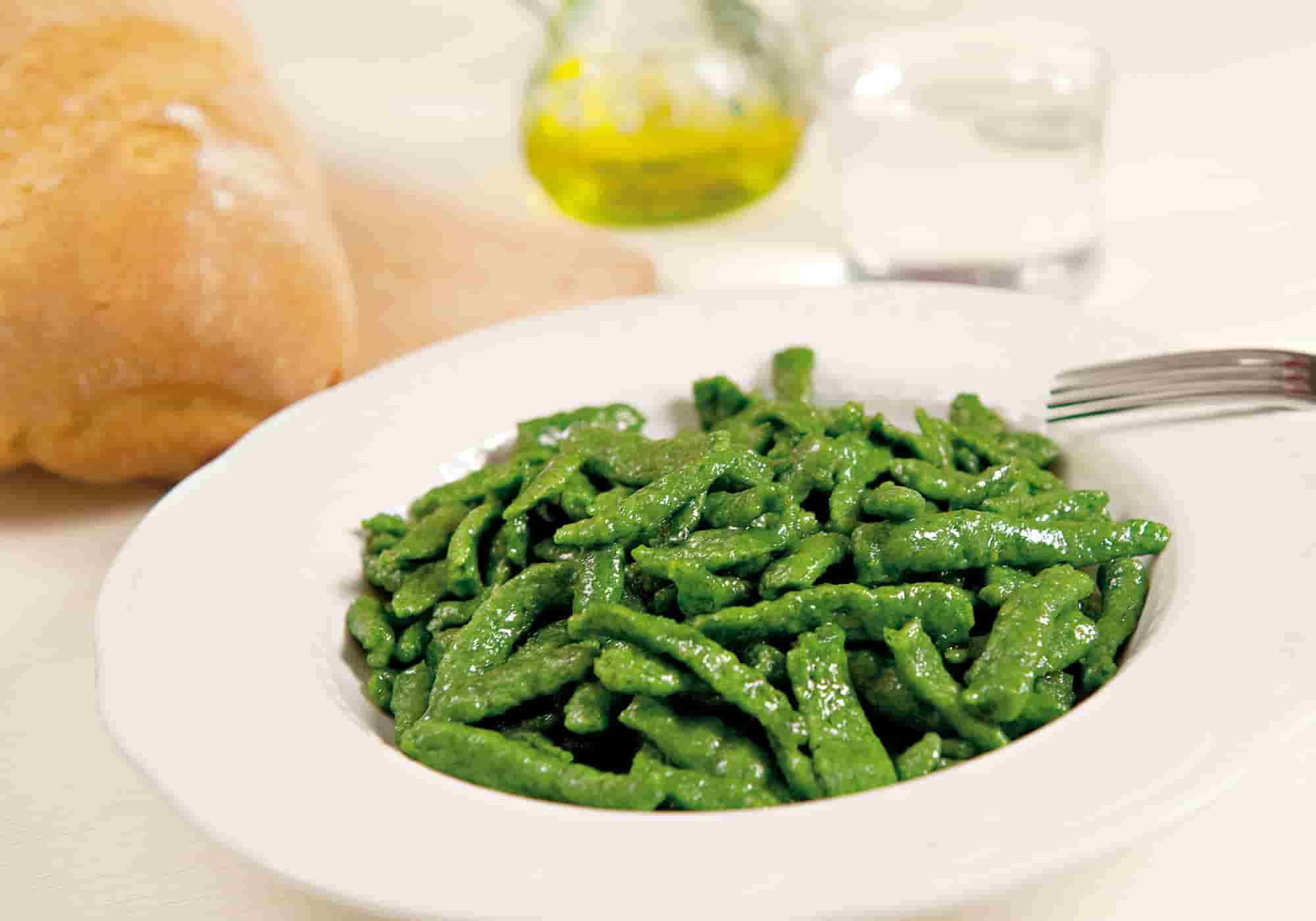
South Tyrolean cuisine
South Tyrolean cuisine (in German Südtiroler Küche) is the expression of the culinary art developed in the province of Bolzano. It is a combination of Tyrolean culinary tradition and typical Italian cuisine and is also influenced by Viennese cuisine. South Tyrolean cuisine is highly appreciated and is internationally renowned. South Tyrol with its 20 Michelin stars is the most awarded Italian province of the French guide. There are also generally popular products among the German-speaking populations, such as the Brezel (or Laugenbrezel or Brezen), the sauerkraut or Sauerkraut and the Würstel or Frankfurter or Wiener; Kaiserschmarrn and the Strudel of the Habsburg tradition; the Rösti, of Swiss origin; Spätzle of Swabian origin. Many of these dishes are also characteristic of Trentino cuisine, thanks to the centuries-old union of Trentino with Alto Adige under the Habsburg monarchy. Along with typical Tyrolean dishes, Italian cuisine (from ravioli to gnocchi, from tiramisù to panna cotta) is strongly present in Alto Adige. Polenta in South Tyrol dialect is known as Plent. Typical of South Tyrol is black polenta or Schwarzplent. 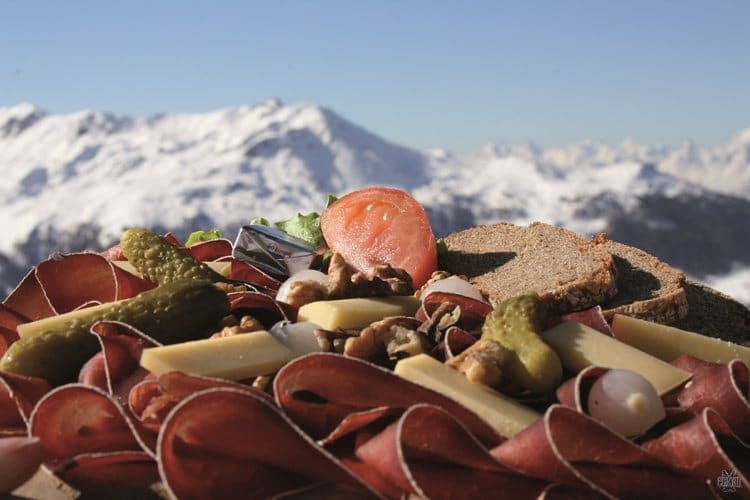
Meats and cheeses
Speck Kaminwurzen Graukäse Hochpustertaler Sesto mountain cheese Stanga di Dobbiaco 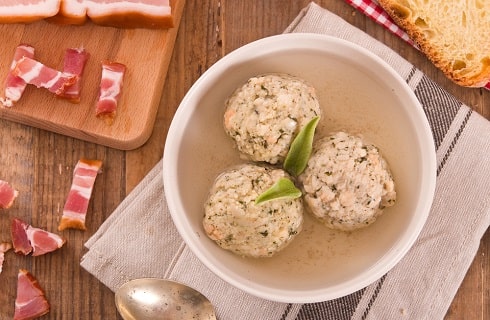
First dishes
Canederli or Knödel Schlutzkrapfen Spatzle Tirtlen Barley soup (Gerstensuppe) Goulash soup (Gulaschsuppe) 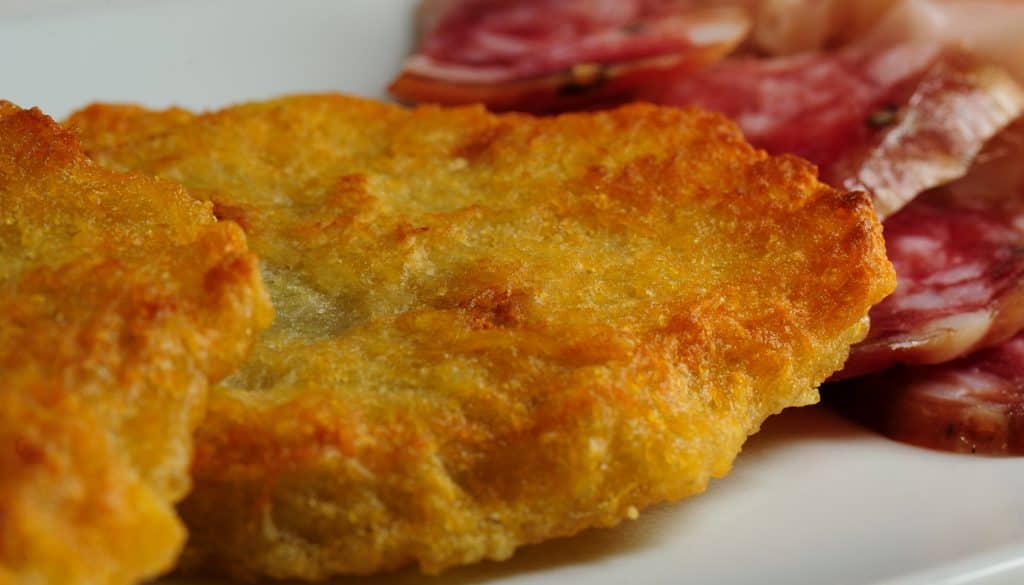
Main dishes
Mutton or Hammelfleischgerichte Würstel Meraner Goulash 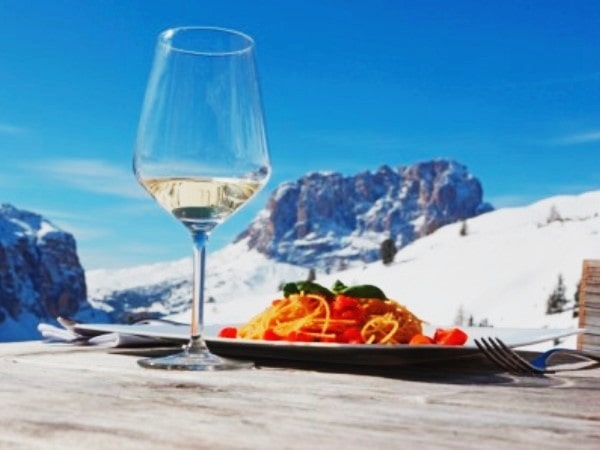
Side dishes and vegetables
Gröstl or Grestl Röstkartoffeln
Desserts
Strauben Donuts Strudel Buchweizenroulade (buckwheat roll) 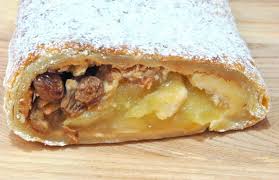 Wines and liqueurs Forst beer Grappe (Schnaps): Kranewitter Wine: Santa Maddalena Lagrein Aromatic Traminer (Gewürztraminer)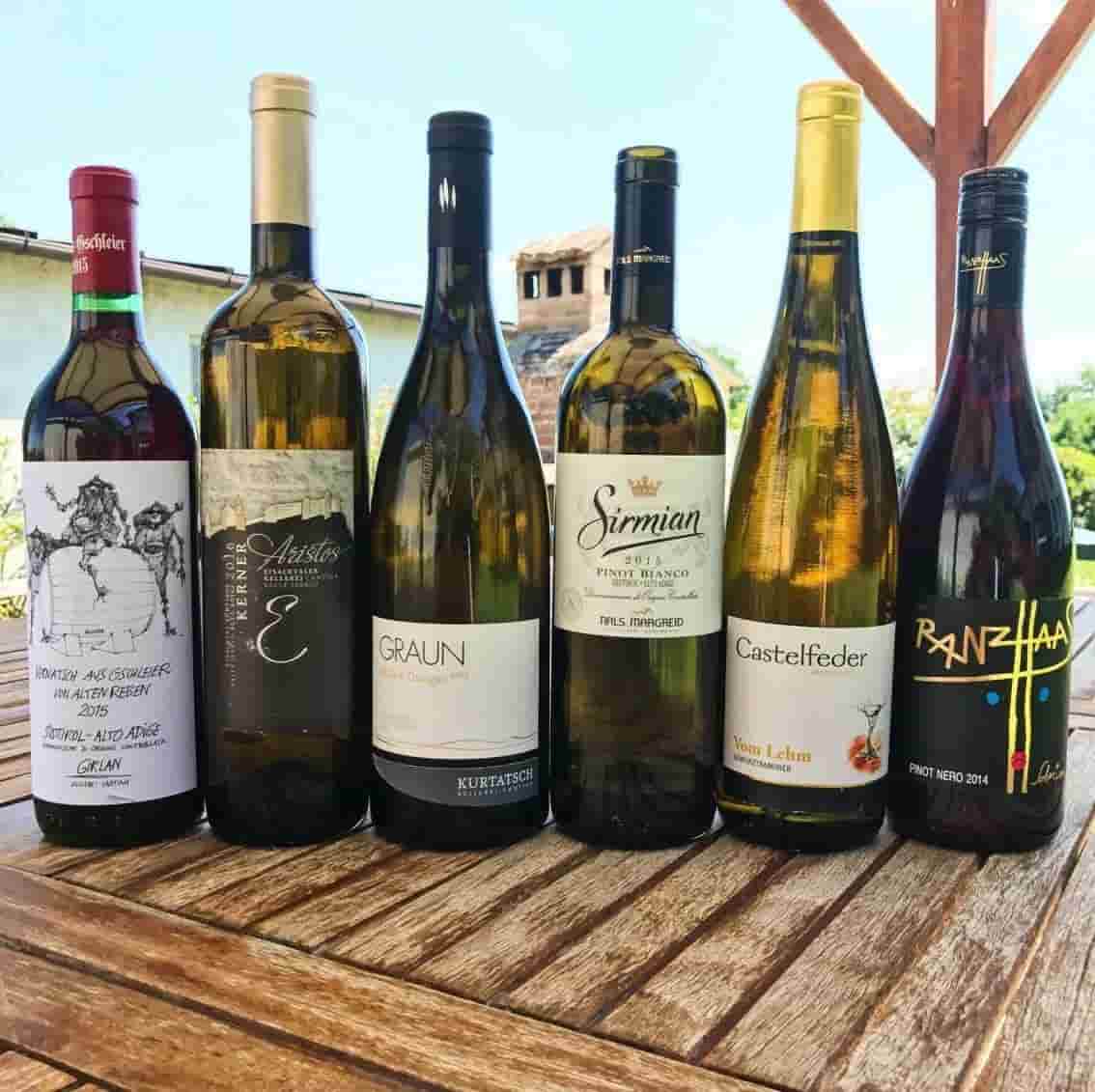
Bologna Cooking Class is the cooking experience N°1 in Bologna (TripAdvisor) with about 700 5 stars reviews
and also won the TripAdvisor award TOP 10% EXPERIENCE WORLDWIDE on TripAdvisor
and +400 5 stars reviews on Google maps
I am sure you will like it and I wait for you in one of my classes, Visit this page if you are interested in the Short class click here Short class Visit this page if you are interested in a longer class with market tour click here long class with market tour
See you soon with a new article.
Chef Luigi